The Rise of Telemedicine_ What It Means for Medical Assistants
The Rise of Telemedicine: What It Means for Medical Assistants
Telemedicine has rapidly transformed the healthcare landscape, becoming one of the most important advancements in modern patient care. What began as a convenience-driven option has now evolved into a core service that many healthcare organizations rely on daily. From virtual checkups to remote monitoring and digital diagnostics, telemedicine offers patients easier access to care while enabling providers to work more efficiently and effectively.
As telemedicine continues to expand, the role of the medical assistant (MA) is growing right along with it. Medical assistants remain essential to both the in-person and virtual patient experience, helping providers manage clinical and administrative responsibilities behind the scenes. Telemedicine doesn’t replace MAs—it elevates the position, expands responsibilities, and opens new opportunities for those trained to work confidently in a hybrid healthcare environment.
Below are five things every aspiring and current medical assistant should know about telemedicine and what it means for their career.
Telemedicine Increases the Need for Tech-Savvy Medical Assistants
One of the biggest changes telemedicine brings is the increased need for MAs who are comfortable with technology. While medical assistants have always worked with electronic health records (EHRs) and practice management software, telemedicine introduces new platforms and workflows that require confidence and adaptability.
Medical assistants are often the first team members to interact with patients during virtual appointments. This means MAs must understand how to troubleshoot video connections, verify that audio is working correctly, and help patients feel comfortable navigating digital communication tools. Many patients—especially seniors or those unfamiliar with technology—may need assistance accessing telehealth portals or uploading necessary documents before a visit.
Additionally, medical assistants may handle digital forms, remote check-ins, and pre-visit questionnaires to ensure providers have the information needed before the virtual appointment begins. As more healthcare organizations adopt telehealth systems, tech-savvy MAs will become even more valuable, making digital literacy an essential skill.
Telemedicine Enhances Patient Communication and Customer Service Skills
Telemedicine doesn’t eliminate the human element of healthcare—it amplifies it. Without the physical presence of a clinic or exam room, communication becomes even more important. Medical assistants are instrumental in setting the tone for virtual visits and ensuring that patients feel heard, supported, and understood.
In many practices, MAs are responsible for calling patients ahead of appointments to gather medical histories, confirm medications, and prepare them for the provider’s visit. This requires strong communication skills and the ability to guide patients clearly and compassionately over the phone or through a virtual platform.
During remote appointments, MAs may act as a liaison between the patient and provider, answering initial questions or gathering additional details needed for the visit. In some cases, medical assistants even stay on the call to document information in the EHR in real time. Strong customer service and patient-relationship skills translate directly into better virtual care experiences, making MAs indispensable in telemedicine settings.
Telemedicine Expands Administrative Responsibilities for Medical Assistants
While medical assistants already perform a blend of clinical and administrative tasks, telemedicine often shifts the balance slightly toward administrative coordination—especially before and after virtual appointments.
Common telemedicine-related administrative duties include:
Common telemedicine-related administrative duties include:
Scheduling virtual visits and sending appointment reminders
Confirming insurance coverage or virtual care benefits
Handling digital patient intake forms
Ensuring patient records are updated before the provider logs on
Coordinating follow-up care, prescription refills, or diagnostic testing
Managing secure messaging between patients and providers
Because telemedicine visits require careful preparation, MAs play a critical role in keeping providers organized and ensuring every remote appointment runs smoothly. Many employers now rely on medical assistants to manage entire telehealth workflows, from onboarding new patients to closing out visit summaries and billing documentation.
As telemedicine continues to grow, the ability to manage administrative tasks with accuracy and confidence becomes an even more important skill for MAs.
Telemedicine Creates Opportunities for Remote or Hybrid MA Roles
One of the most exciting changes telemedicine brings is greater job flexibility for medical assistants. Traditionally, MA roles were performed entirely on-site, assisting in exam rooms, preparing patients, taking vitals, and supporting in-person care delivery. While these responsibilities remain essential, telemedicine introduces new ways for MAs to contribute outside the physical clinic setting.
With the rise of virtual care, some practices now employ medical assistants to work fully remote positions. These MAs help with digital intake, patient communication, prescription management, EHR documentation, and follow-up coordination—all from home. Healthcare organizations offering after-hours telehealth also rely on remote MAs to support patient needs outside normal business hours.
Hybrid roles—where MAs split time between virtual tasks and in-clinic visits—are becoming increasingly common as well. This flexibility can be ideal for individuals who want to stay in the medical field but seek a job that adapts to childcare needs, commuting challenges, or personal preferences.
As telemedicine expands, the demand for MAs who can thrive in both virtual and in-person environments will continue to grow.
Telemedicine Strengthens the Clinical Role of Medical Assistants
Although telemedicine is primarily digital, it does not eliminate the need for clinical skills—in fact, it can enhance the clinical responsibilities of medical assistants in surprising ways.
Before virtual visits, MAs often gather detailed health histories, verify medication lists, and document symptoms to prepare providers for the appointment. This requires sharp clinical judgment and the ability to ask the right questions to ensure accurate information.
In some telemedicine settings, medical assistants help patients use remote monitoring tools such as:
Blood pressure cuffs
Glucose meters
Pulse oximeters
Digital scales
Wearable fitness or health trackers
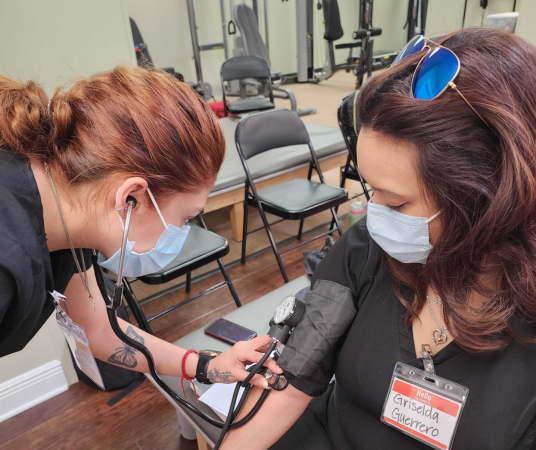
MAs may also educate patients on how to take their vitals at home, helping providers receive accurate data during the virtual visit.
Additionally, MAs remain responsible for infection control, in-person procedures, and hands-on support for hybrid environments. Telemedicine doesn’t replace clinical work—it shifts and supplements it. Medical assistants who can confidently blend clinical expertise with digital communication skills will be in especially high demand.
Telemedicine Is Expanding Opportunities for Medical Assistants
Telemedicine is not a temporary trend—it is a permanent evolution in how healthcare is delivered. As more patients turn to virtual care for convenience, accessibility, and efficiency, the need for skilled medical assistants grows even stronger. MAs now play a crucial role in bridging the gap between traditional medicine and modern digital healthcare.
For aspiring medical assistants, this means entering a field full of innovation, opportunity, and long-term career growth. For current MAs, this is an exciting time to expand skills, embrace new technologies, and contribute to a healthcare system that is becoming more accessible than ever before.
Ready to Train for a Medical Assistant Career That Meets Modern Healthcare Needs?
Ready to Train for a Medical Assistant Career That Meets Modern Healthcare Needs? If you’re inspired by the rise of telemedicine and want to enter a career where you can make a meaningful difference both in-person and online, Pulse Medical Assistant School is the perfect place to begin. Pulse is an online-first, 16-week medical assistant program designed to prepare you for today’s fast-changing healthcare environment. With intensive, in-person labs, you’ll gain the hands-on clinical experience and real-world confidence needed to support real patients receiving real care.
Start your journey toward a modern medical assistant career today with Pulse Medical Assistant School.
You're only a few months from the medical assistant career you deserve.