Tips for Hiring Medical Assistants_ What Employers Should Know
Tips for Hiring Medical Assistants: What Employers Should Know
Hiring a skilled medical assistant can transform the pace, efficiency, and patient experience of your healthcare practice. Whether you run a family medicine office, specialty clinic, urgent care center, or growing health system, the right medical assistant can significantly reduce administrative strain, support clinical workflows, and contribute to a more organized, patient-focused environment. But with so many applicants entering healthcare each year—each with varying training backgrounds, certifications, and on-the-job experience—knowing what to prioritize during the hiring process is essential.
Employers today face a unique balance: finding medical assistants with strong clinical training, professionalism, people skills, and adaptability in fast-moving medical settings. At the same time, many healthcare organizations are looking for candidates who can grow with their teams, embrace new technologies, and reliably support patient care. This guide breaks down the most important considerations for employers so you can confidently hire medical assistants who bring value on day one and continue to strengthen your practice over time.
Prioritize Strong Clinical Training and Certification
One of the most important factors when hiring a medical assistant is assessing a candidate’s level of training. Medical assistants may come to the field through vocational schools, community colleges, certificate programs, or accelerated training options. Because there is no single universal requirement across all states, applicants can vary widely in what they learned and how prepared they are to work in real patient settings.
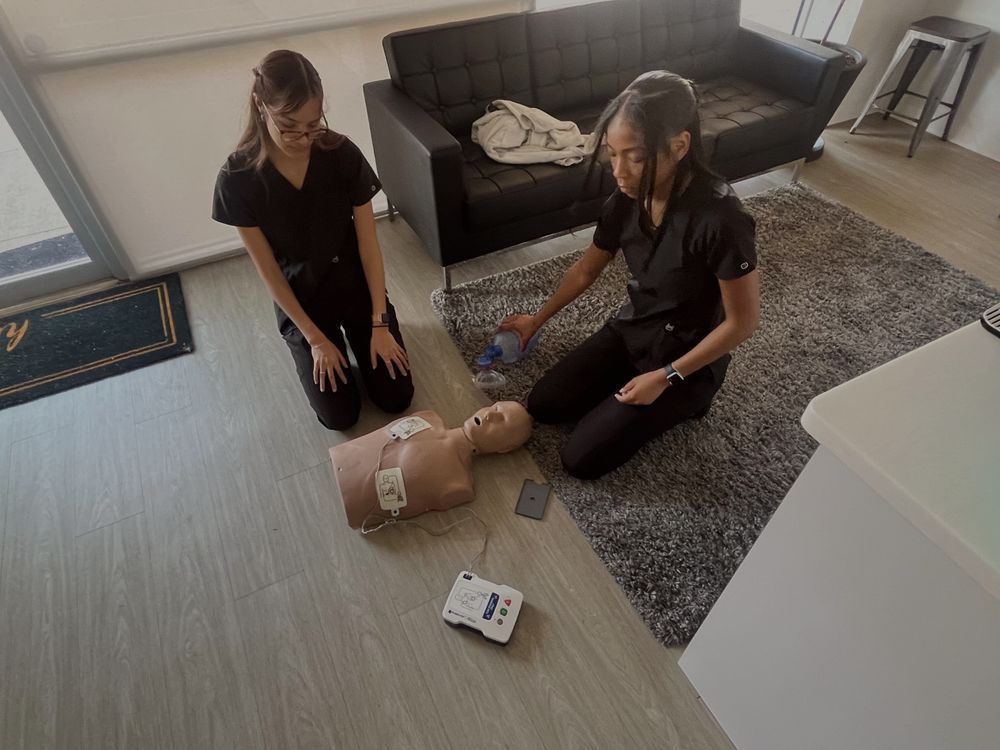
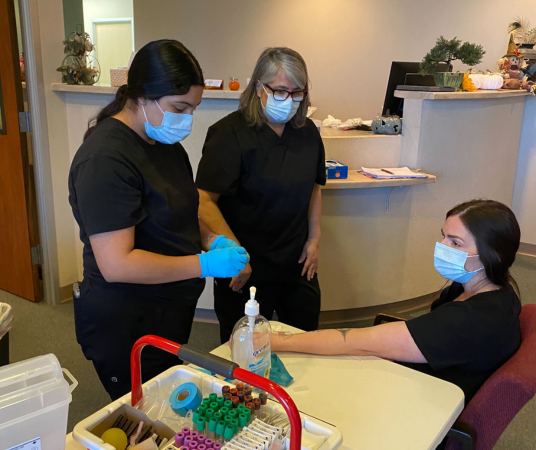
Look for applicants who received structured, hands-on clinical training—not just online coursework. Candidates who completed programs with lab hours, simulations, or externships usually demonstrate greater confidence during patient interactions and clinical procedures. Certifications such as the CCMA (Certified Clinical Medical Assistant), CMA (Certified Medical Assistant), or RMA (Registered Medical Assistant) often indicate that the applicant has met nationally recognized standards for clinical competency.
By prioritizing candidates with verified clinical preparation, employers reduce onboarding time and ensure new hires can safely and efficiently assist with core tasks like vital signs, patient rooming, injections (where state laws permit), and EHR documentation.
Evaluate Communication and Patient-Facing Skills
Technical skills matter, but communication is often the difference between an average medical assistant and an exceptional one. Medical assistants interact with patients constantly—answering questions, providing instructions, easing anxiety, and setting the tone for the patient’s visit. During interviews, pay close attention to how candidates speak, listen, and carry themselves.
Ask behavioral questions such as:
“Describe a time when you had to calm an anxious patient.”
“How do you handle conflicts or misunderstandings with patients?”
“What is your approach to explaining medical procedures in simple terms?”
Candidates who demonstrate empathy, professionalism, and clear communication are far more likely to excel in patient-facing responsibilities. You can also use role-playing exercises to see how they would handle real workplace scenarios, from managing phone calls to discussing follow-up instructions.
Since communication is such a core part of a medical assistant’s workday, prioritizing applicants with strong interpersonal skills translates directly to better patient satisfaction and smoother clinical operations.
Look for Adaptability and Multitasking Strengths
Healthcare settings are fast-paced, unpredictable, and dependent on employees who can juggle multiple tasks without losing focus. Strong medical assistants must be able to move between administrative and clinical duties with ease—sometimes shifting plans mid-task based on patient needs or physician instructions.
When hiring, look for candidates who have experience or comfort with balancing several responsibilities at once. Discuss real-world scenarios during the interview:
Handling an influx of patients while still keeping up with phone messages
Managing both front-office and back-office duties during staff shortages
Documenting efficiently without sacrificing accuracy
Staying calm during emergencies or high-stress moments
Medical assistants who are flexible and composed under pressure contribute to a smoother workflow and help prevent burnout among the rest of your team.
Check Experience with EHR Systems and Modern Healthcare Software
Today’s medical assistants need more than clinical knowledge—they must also navigate modern healthcare technology. Electronic Health Records (EHR) platforms such as Epic, Cerner, athenahealth, or eClinicalWorks are core tools in clinics and hospitals. The more familiar a candidate is with digital systems, the easier your onboarding process will be.
Even if applicants haven’t used your exact EHR before, exposure to any medical software (charting tools, scheduling platforms, billing systems, telehealth platforms) is an advantage. Look for:
Fast typing and documentation skills
Experience entering vitals and patient histories directly into EHR systems
Comfort with digital communication tools
Ability to learn new platforms quickly
You can also ask situational questions such as:
You can also ask situational questions such as: “How do you handle entering information while simultaneously interacting with patients?”
“Describe a time you caught and corrected an EHR documentation error.”
Candidates who can navigate technology with confidence help improve accuracy, efficiency, and regulatory compliance across your practice.
Assess Professionalism, Reliability, and Work Ethic
In many practices, the medical assistant is the first and last person a patient interacts with. Reliability and professionalism are essential—not only for clinical safety but also for maintaining patient trust and practice reputation.
During the interview process, observe indicators of work ethic:
Do they arrive on time for the interview?
Are they dressed professionally and prepared with questions?
Do they speak respectfully about past coworkers or employers?
Do they show enthusiasm for patient care?
You can also ask situational questions to gauge dependability, such as:
You can also ask situational questions to gauge dependability, such as: “Describe a time when you had to manage a heavy workload—how did you stay organized?”
“What steps do you take to ensure you don’t miss important details?”
Checking references is especially valuable when hiring medical assistants. Past supervisors can speak to punctuality, initiative, teamwork, and integrity—traits that don’t always show up on a résumé. Because medical assistants handle sensitive information, medication support tasks, and direct patient care, reliability and ethical conduct should be top priorities.
Invest in Candidates Who Show Motivation to Grow
While experience is valuable, a candidate’s long-term potential can be equally important. The best medical assistants are often those who are eager to learn, open to feedback, and interested in growing with your organization. As healthcare continues to evolve—in technology, patient expectations, and clinical procedures—your practice benefits when your staff is committed to ongoing improvement.
During interviews, explore a candidate’s goals:
Do they want to expand clinical responsibilities?
Are they interested in medical specialties?
Would they pursue additional certification or advanced roles?
How do they keep their skills up-to-date?
How do they keep their skills up-to-date? A medical assistant who is curious, motivated, and proactive is more likely to become a long-term asset—not just a short-term staff member. Investing in employees who prioritize growth can lead to stronger teamwork, better patient care, and reduced turnover.
Train Medical Assistants Who Are Ready on Day One
Hiring a medical assistant is more than filling a vacancy—it’s choosing someone who will influence every part of the patient experience. By prioritizing strong clinical training, communication skills, adaptability, technological competence, professionalism, and long-term motivation, healthcare employers can build more effective and reliable teams. A well-chosen medical assistant helps physicians stay on schedule, keeps patients informed and comfortable, and strengthens overall workflow across the practice.
As healthcare demands continue to rise, employers who hire intentionally and thoughtfully will see the greatest benefits in patient satisfaction, staff morale, and operational efficiency.
If you’re looking to hire medical assistants who are fully prepared for real clinical work, consider partnering with training programs that emphasize both hands-on experience and modern medical knowledge. Pulse Medical Assistant School is an online-first, 16-week medical assistant program designed with today’s healthcare employers in mind. With intensive, in-person labs and practical skills training, Pulse gives aspiring medical assistants the confidence and competence to help real patients receive real care.
Graduates enter the workforce ready to support physicians, enhance patient experience, and contribute immediately to the success of your practice.
You're only a few months from the medical assistant career you deserve.