Tips for Professional Email and Phone Etiquette in a Medical Setting
Tips for Professional Email and Phone Etiquette in a Medical Setting
Clear, professional communication is one of the most important skills in any healthcare environment. While medical assistants are often recognized for their clinical and administrative abilities, how they communicate—especially by email and phone—directly impacts patient trust, office efficiency, and overall care quality. In a medical setting, every interaction matters, whether you’re scheduling appointments, coordinating with providers, or answering patient questions.
Professional email and phone etiquette helps medical assistants create a calm, organized, and respectful experience for patients and colleagues alike. Because healthcare communication often involves sensitive information, emotional conversations, and time-sensitive details, mastering these skills early can set medical assistants apart and support long-term career growth. Below are five essential tips to help medical assistants maintain professional, effective email and phone etiquette in a medical setting.
Use a Clear, Respectful, and Professional Tone at All Times
Tone is one of the most important—and often overlooked—elements of professional communication. In healthcare, patients may be anxious, frustrated, or confused, and the tone used in emails or phone calls can either reassure them or escalate concerns. Medical assistants should aim for a tone that is calm, respectful, and empathetic, regardless of the situation.
When speaking on the phone, this means avoiding rushed speech, sighs, or abrupt responses. A steady pace, clear pronunciation, and polite language help patients feel heard and supported. Even when delivering routine information, using phrases like “I’d be happy to help” or “Let me check on that for you” demonstrates professionalism and compassion.
In email communication, tone should be courteous and neutral. Avoid using all caps, excessive exclamation points, or overly casual language. Even short emails should include a greeting and a polite closing. A professional tone builds credibility and ensures that messages are interpreted correctly, especially when patients or colleagues cannot hear vocal cues.
Follow Proper Structure and Formatting in Professional Emails
Professional email communication in a medical setting should be clear, organized, and easy to read. Medical assistants often send emails related to scheduling, documentation, insurance inquiries, or internal coordination, and poorly structured messages can lead to confusion or delays.
Every professional email should include a clear subject line that reflects the purpose of the message. This helps recipients prioritize and locate information quickly. The body of the email should be concise, with key details presented in a logical order. Long blocks of text should be avoided in favor of short paragraphs or bullet points when appropriate.
Medical assistants should also pay close attention to grammar, spelling, and punctuation. Errors can make emails appear rushed or unprofessional and may reduce trust. Before sending, it’s important to review emails for accuracy, clarity, and tone. A well-written email reflects attention to detail—an essential quality in healthcare environments.
Practice Active Listening and Clear Communication on Phone Calls
Phone calls are often the first point of contact between patients and a medical office, making them a critical part of the patient experience. Active listening is essential for ensuring patients feel understood and for preventing miscommunication. Medical assistants should focus fully on the caller, avoid multitasking, and listen carefully before responding.
Repeating or summarizing information back to the caller helps confirm understanding and reduces errors. For example, restating appointment times, medication instructions, or next steps ensures accuracy and reassures the patient. Asking clarifying questions when needed shows attentiveness and professionalism.
Clear communication also means knowing when to pause, when to speak slowly, and when to adjust language for patient understanding. Medical assistants should avoid medical jargon unless they are confident the caller understands it. Speaking clearly, calmly, and with confidence helps maintain professionalism and builds trust with patients and providers alike.
Maintain Confidentiality and Professional Boundaries
Confidentiality is a cornerstone of healthcare communication, and email and phone interactions are no exception. Medical assistants must always be mindful of protecting patient privacy, whether they are speaking on the phone or writing an email. Verifying a caller’s identity before sharing information is a critical step in maintaining compliance and trust.
On the phone, this may involve confirming identifying details before discussing appointments, test results, or billing information. If a caller cannot be properly verified, medical assistants should follow office protocols for handling the situation professionally and securely. Conversations involving sensitive information should also be conducted in private areas whenever possible.
In email communication, medical assistants should only include necessary information and ensure messages are sent to the correct recipients. Professional boundaries should be maintained by avoiding personal opinions, informal language, or unnecessary details. Upholding confidentiality not only protects patients but also demonstrates professionalism and ethical responsibility.
End Every Interaction with Clarity and Courtesy
How an interaction ends is just as important as how it begins. Whether communicating by phone or email, medical assistants should ensure that the next steps are clear and that the interaction concludes on a positive, professional note. This helps prevent misunderstandings and leaves patients feeling supported.
On phone calls, this might involve summarizing what was discussed, confirming any follow-up actions, and asking if the caller has additional questions. Simple phrases like “Is there anything else I can help you with today?” show attentiveness and care. Thanking the caller for their time reinforces a respectful tone.
In emails, closing statements should clearly indicate what happens next, such as expected response times or follow-up actions. A professional sign-off, including the sender’s name and role, adds clarity and accountability. Ending communication with courtesy reinforces trust and professionalism in every interaction.
Build Confidence Through Training and Practice
Professional email and phone etiquette are skills that improve with training and practice. Medical assistants who receive structured instruction and hands-on experience are better prepared to communicate confidently in real-world healthcare settings. Learning how to handle challenging conversations, manage high call volumes, and write professional emails is essential for long-term success.
Training programs that emphasize both technical skills and communication best practices help aspiring medical assistants enter the workforce with confidence. Exposure to realistic scenarios allows students to develop professionalism, adaptability, and strong interpersonal skills before working directly with patients.
Start Your Medical Assisting Career with Pulse Medical Assistant School
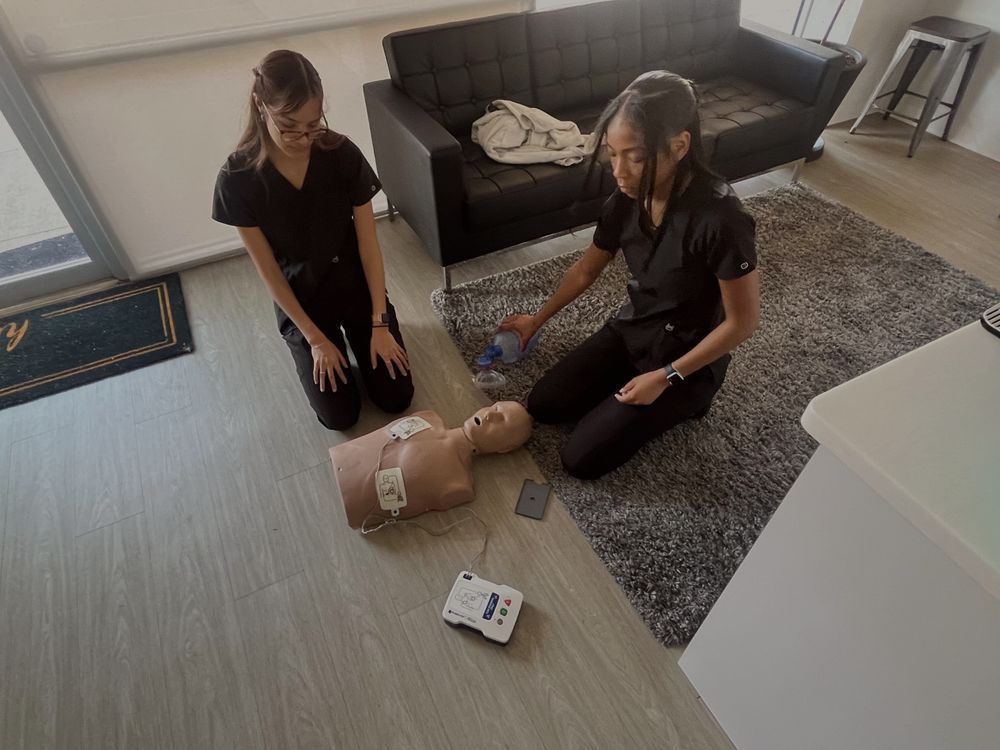
Start Your Medical Assisting Career with Pulse Medical Assistant School If you’re looking to build strong professional communication skills alongside hands-on clinical training, Pulse Medical Assistant School offers a supportive pathway into the field. Pulse is an online-first, 16-week medical assistant program designed to fit modern schedules while delivering comprehensive education. The program includes intensive, in-person labs that give aspiring medical assistants the confidence to help real patients receive real care. With a focus on both technical competence and professional communication, Pulse Medical Assistant School prepares students to succeed from their very first day in a medical setting.
You're only a few months from the medical assistant career you deserve.