Top Jobs for Premed Students_ Where Medical Assisting Fits In
Top Jobs for Premed Students: Where Medical Assisting Fits In
Choosing a premed path is exciting, but it’s also demanding. Between coursework, lab hours, and preparing for the MCAT, many students wonder which jobs can help them build meaningful experience without overwhelming their schedule. The right role doesn’t just provide a paycheck—it helps future physicians gain clinical exposure, develop patient communication skills, and build confidence in real healthcare environments. That’s why so many premed students look for jobs that offer hands-on experience, flexible hours, and opportunities to work alongside practicing clinicians.
Whether you’re trying to enhance your medical school application or want to make sure a healthcare career truly aligns with your goals, working in medicine before medical school is incredibly valuable. Some jobs offer a deep look at clinical workflows, while others help you practice empathy, problem-solving, and patient support. Below are five of the top jobs for premed students—and why medical assisting stands out as one of the most accessible and impactful options.
Medical Assistant
Medical assisting is one of the most popular—and practical—jobs for premed students because it blends clinical and administrative responsibilities, offering a full view of how healthcare actually works. Medical assistants are often the first point of contact for patients. They guide patients through intake, collect medical histories, record vital signs, prepare exam rooms, assist physicians with procedures, and maintain accurate documentation. This means MA students gain confidence working with real people in real clinical environments long before they enter medical school.
For premed students, few roles provide this level of exposure. As a medical assistant, you learn the clinical language, observe physician workflows, and develop bedside manner in a fast-paced, supportive environment. You also gain valuable insights into patient needs, treatment planning, and how different specialties operate. This experience translates directly into stronger medical school applications, richer personal statements, and better interview readiness.
Another major advantage is the short training timeline. Unlike longer allied-health programs, medical assisting can be completed in just a few months through an accelerated program. This makes it perfect for students who want to gain meaningful experience without delaying their education. It also provides a flexible career option during gap years or while completing prerequisite classes, offering stable income and a schedule that can fit around school commitments.
Nursing Assistant (CNA)
Certified Nursing Assistants work directly with patients, providing essential care that supports nurses and physicians. CNAs help patients with daily living activities such as bathing, dressing, mobility, feeding, and monitoring vital signs. This close-up patient care experience gives premed students an intimate understanding of patient needs, resilience, and vulnerabilities—elements that are foundational to compassionate medical practice.
The role is especially beneficial for students who want to develop empathy, communication skills, and comfort working with diverse patient populations. CNAs spend more one-on-one time with patients than many other healthcare roles, making it a powerful learning opportunity for aspiring doctors. Students often encounter long-term care patients, individuals recovering from surgeries, and those facing chronic health conditions, all of which deepen their understanding of the human experience behind medical data and diagnoses.
The certification process for CNAs is relatively short, though it typically requires more time than medical assisting programs. Many premed students choose CNA work because hospitals, rehabilitation centers, and long-term care facilities frequently hire CNAs for part-time, night, and weekend shifts—helpful for balancing work with academic demands. While CNAs don’t perform as many technical clinical tasks as medical assistants, the emotional and relational experience they gain can be invaluable.
EMT (Emergency Medical Technician)
For students who want fast-paced, hands-on experience, becoming an Emergency Medical Technician is a compelling option. EMTs respond to emergency calls, assess patient conditions, perform CPR, manage traumatic injuries, provide oxygen therapy, and assist with transport to medical facilities. The role offers unmatched exposure to high-pressure situations where quick thinking and decisive action are critical.
Premed students who work as EMTs gain confidence in emergency scenarios and learn to stay calm under pressure—skills that serve them well throughout their future medical careers. These experiences can also make medical school interviews more memorable, as EMTs often develop strong stories that demonstrate resilience, teamwork, and problem-solving.
However, the EMT route comes with considerations. Training programs are longer and more intense than medical assisting programs, and the job often involves irregular hours, including nights, weekends, and holidays. The physical and emotional demands can be high, and the unpredictable nature of emergencies may be difficult to balance with a rigorous school schedule. Still, for students seeking adrenaline-driven clinical exposure, EMT experience is highly respected and rewarding.
Patient Care Technician (PCT)
Patient Care Technicians blend elements of both CNA and MA roles, offering broad clinical experience across multiple departments. PCTs often work in hospitals, where they assist with patient monitoring, blood pressure checks, specimen collection, basic wound care, ECG testing, and mobility support. This variety makes the role ideal for premed students interested in learning different aspects of patient care.
Because PCTs often interact with nurses, physicians, respiratory therapists, and specialists, they gain insight into how interdisciplinary teams collaborate. For premed students exploring potential specialties—or wanting to observe different branches of medicine firsthand—this exposure is extremely valuable. PCTs also get hands-on experience with clinical technology and hospital equipment, sharpening their technical skills and comfort in a fast-paced environment.
Training to become a PCT may require CNA certification first, followed by additional coursework. This extended timeline is worth noting for premed students seeking quicker entry into the workforce. However, once certified, PCTs enjoy strong employment prospects and flexible work schedules that complement academic commitments.
Medical Scribe
Medical scribes don’t perform clinical tasks, but their role is critical in healthcare environments. Scribes work alongside physicians during patient visits, documenting medical histories, physical exam findings, test results, diagnoses, and treatment plans. This real-time shadowing experience offers unparalleled insight into physician decision-making and clinical reasoning.
For premed students who want to strengthen their understanding of medical terminology, diagnostic processes, and electronic health records (EHR) systems, scribing is an exceptional path. You observe how physicians think, how they communicate with patients, and how they coordinate care with nurses and specialists. This helps students build a strong foundation for medical school coursework, particularly in subjects like anatomy, pathology, and patient communication.
Scribing is also highly flexible—many positions offer part-time or remote work. However, because the role is observational rather than clinical, students don’t gain the hands-on technical skills they would in a medical assistant, CNA, or EMT role. For students seeking a mix of practical tasks and shadowing experiences, medical assisting often provides a better balance.
Where Medical Assisting Fits In for Premed Students
Among all the roles available to premed students, medical assisting stands out as one of the most balanced and accessible. It blends clinical exposure, administrative knowledge, and patient interaction in a way that prepares students for both the emotional and technical aspects of becoming a physician. Medical assistants work directly with doctors, nurses, NPs, and PAs, giving premed students a front-row seat to clinical practice while also building valuable professional relationships.
The shorter training timeline makes medical assisting especially appealing for students who want immediate entry into the field. Instead of waiting months or years to gain clinical experience, students can begin working quickly, build a strong résumé, and earn income while they complete prerequisites or prepare for the MCAT.
Medical assisting also provides transferable skills that premed students will use for the rest of their careers—communication, documentation accuracy, clinical confidence, and patient empathy. These abilities help students stand out during medical school interviews and make their transition into clinical rotations smoother.
Start Building Clinical Experience Now
The best jobs for premed students are the ones that build confidence, develop clinical exposure, and offer meaningful patient interaction. Medical assistants, CNAs, EMTs, PCTs, and medical scribes each offer unique advantages depending on your goals and schedule. But for many students, medical assisting delivers the ideal balance: robust training, fast entry into the field, and consistent exposure to both clinical and administrative sides of healthcare.
If you’re ready to begin working in medicine while preparing for your future career as a physician, medical assisting is one of the most practical and rewarding ways to start.
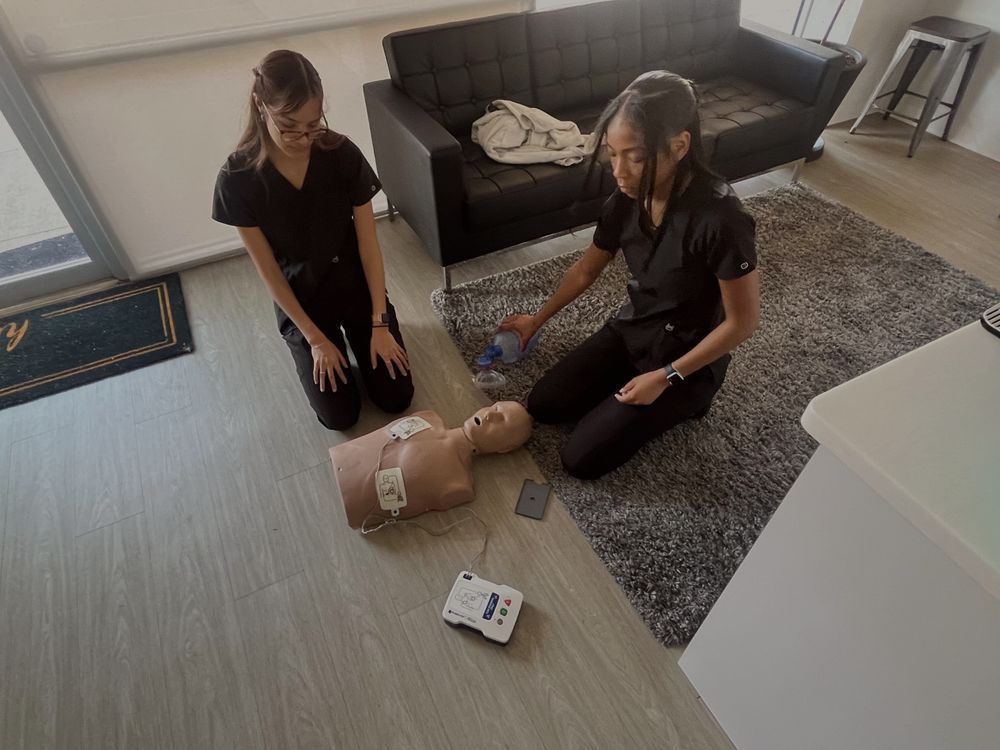
If you’re ready to begin working in medicine while preparing for your future career as a physician, medical assisting is one of the most practical and rewarding ways to start. If you’re inspired to begin building clinical experience, Pulse Medical Assistant School offers an online-first, 16-week medical assistant program designed for students who want to enter the field quickly and confidently. With intensive, in-person labs that give aspiring medical assistants the skills to assist real clinicians and support real patients, Pulse prepares you for meaningful work—and puts you on the path toward your long-term healthcare goals.
You're only a few months from the medical assistant career you deserve.