Top Pre-PA Jobs for Patient Care Hours_ Is Medical Assistant the Best Option_
Top Pre-PA Jobs for Patient Care Hours: Is Medical Assistant the Best Option?
Preparing for physician assistant (PA) school requires more than strong grades and a passion for healthcare—it also demands hands-on patient care experience. PA programs want students who understand clinical environments, patient communication, and basic medical procedures long before they enter the classroom. Because of this, thousands of aspiring PAs look for pre-PA jobs that provide the patient care hours (PCH) needed to stand out. The challenge? Not all healthcare roles offer the same level of direct patient interaction, responsibility, or upward mobility.
If you’re planning your path to PA school, the job you choose now can meaningfully shape your application strength and your confidence when you arrive on day one. While many roles offer opportunities for experience, five stand out as the most common and impactful for building competitive patient care hours. Below, we break down the best pre-PA jobs, what you’ll learn in each, and whether becoming a medical assistant might be the smartest choice for your goals.
Medical Assistant (MA)
Medical assistants continue to be one of the most popular—and practical—pre-PA jobs for students who want strong patient care hours, clinical skills, and real mentorship from providers. MA roles blend administrative responsibilities with hands-on patient care, making the daily work varied, educational, and resume-ready for PA school.
Why It’s Great for Patient Care Hours
Why It’s Great for Patient Care Hours Medical assistants interact with patients from the moment they enter the clinic to the moment they leave. In most settings, MAs take vital signs, prepare patients for exams, assist during procedures, handle electronic health records, and provide patient education. This level of consistent, direct interaction helps aspiring PAs quickly build the clinical confidence admissions committees look for.
On top of this, MAs work closely with physicians, nurses, and physician assistants, making the job a natural introduction to the PA profession. Observing PAs in action or even assisting them during patient visits can give you valuable mentorship opportunities, clinical insights, and letters of recommendation.
Skills You Gain
Skills You Gain
Collecting blood, running tests, and performing EKGs
Injections and vaccine administration
Rooming patients and gathering histories
Patient education and follow-up support
Medical terminology and electronic charting
Front-office skills in fast-paced healthcare settings
These skills give medical assistants one of the strongest knowledge foundations for PA school. Better yet, MA programs are typically short—many can be completed in months rather than years—allowing pre-PA students to gain experience fast.
Emergency Medical Technician (EMT)
If you’re interested in fast-paced, high-pressure environments, becoming an EMT is another excellent route for earning patient care hours. EMTs respond to emergency calls, assess patient conditions, provide frontline care, and safely transport individuals to hospitals or trauma centers. This role exposes you to a wide range of clinical scenarios you might not see in outpatient settings.
Why It’s Great for Patient Care Hours
Why It’s Great for Patient Care Hours EMTs work directly with patients experiencing everything from strokes and cardiac events to household accidents and trauma injuries. This exposure gives pre-PA students a strong foundation in patient assessment, teamwork, and high-stakes decision-making. Admissions committees often view EMT hours favorably because the work develops quick judgment, strong communication, and an ability to stay calm under pressure.
Skills You Gain
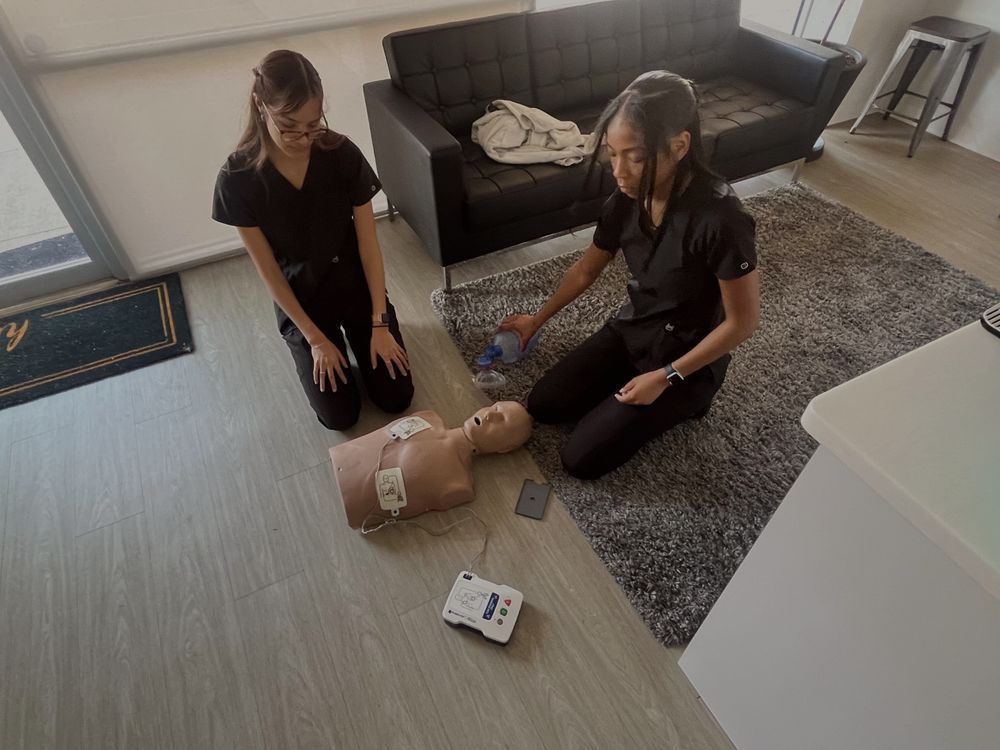
Skills You Gain CPR, first aid, and emergency stabilization
Assessing patient conditions quickly and accurately
Communication with dispatch, paramedics, and emergency staff
Ambulance operations and patient transport
Real-time decision-making in unpredictable situations
The biggest tradeoff for EMT work is the physical demand and shift schedule. If you prefer consistent daytime hours or long-term relationships with patients, other roles—like medical assisting—may suit you better. But if adrenaline, teamwork, and on-the-spot care motivate you, EMT is one of the most memorable paths to PA school.
Certified Nursing Assistant (CNA)
Certified Nursing Assistants work in hospitals, long-term care facilities, rehabilitation centers, and home-health environments, supporting patients with daily living tasks while working under nurses’ supervision. CNAs are essential to patient comfort, safety, and overall well-being—making this work deeply hands-on and emotionally rewarding.
Why It’s Great for Patient Care Hours
Why It’s Great for Patient Care Hours CNAs often spend more time with patients than any other healthcare team member. PA school committees value this closeness because it builds empathy, communication skills, and firsthand understanding of patient needs. CNAs collect vital signs, support mobility, help with bathing or feeding, and monitor patients for changes or concerns. This level of involvement fosters strong bedside manner that translates beautifully into future PA training.
Skills You Gain
Skills You Gain Patient mobility, transferring, and positioning
Collecting vital signs and monitoring patient changes
Infection prevention and safety protocols
Communication with nursing staff, physicians, and families
Emotional intelligence and patient-centered care
One of the biggest advantages of becoming a CNA is that training programs are widely accessible and often shorter than other healthcare certifications. However, the physical workload can be demanding, and pay varies by setting. Still, for students seeking lots of direct-care hours in a short time frame, CNA is a strong choice.
Phlebotomist
Phlebotomy is another popular pre-PA job because of the technical skill involved and the wide range of clinical environments that rely on skilled blood-draw professionals. Phlebotomists collect blood samples, label and process specimens, and interact with patients throughout diagnostic testing.
Why It’s Great for Patient Care Hours
Why It’s Great for Patient Care Hours Although phlebotomy doesn’t involve as much full-spectrum patient care as medical assisting or CNA work, it does provide direct patient interaction and specialized skills that look impressive on a PA school application. Admissions teams appreciate applicants who demonstrate comfort with needles, labs, and specimen collection—skills you’ll use again during PA school and clinical rotations.
Skills You Gain
Skills You Gain Proper venipuncture technique
Safety protocols and infection prevention
Patient communication and anxiety management
Sample labeling, storage, and documentation
Efficient workflow in clinical, hospital, or lab settings
Phlebotomy is especially appealing because training is short and the work often comes with flexible shifts. However, it’s best paired with additional patient interaction roles if you want to maximize the variety of care experiences PA programs prefer.
Patient Care Technician (PCT)
Patient Care Technicians build on the foundation of a CNA role while offering expanded responsibilities. PCTs typically work in hospitals, dialysis centers, and specialty units where they perform clinical tasks under the supervision of nurses—making them essential for building high-quality patient care hours.
Why It’s Great for Patient Care Hours
Why It’s Great for Patient Care Hours PCTs receive training in blood draws, EKGs, patient monitoring, and basic clinical procedures, creating a well-rounded skill set highly valued by PA programs. In hospital environments, PCTs interact with patients experiencing a wide range of medical conditions, giving students a deeper understanding of complex care scenarios and interdisciplinary teamwork.
Skills You Gain
Skills You Gain EKG monitoring and cardiac rhythm interpretation
Blood draws and specimen handling
Mobility assistance and patient safety support
Foley catheter care, wound care, and other advanced tasks
Exposure to inpatient clinical workflows
Because PCTs receive more advanced training than CNAs, the role tends to be seen as more competitive on PA school applications. However, the increased responsibility often comes with greater emotional and physical demands. For students determined to immerse themselves in hospital operations, PCT can be a standout choice.
Is Medical Assistant the Best Option for Pre-PA Students?
Every pre-PA job on this list builds meaningful, application-ready patient care experience. EMTs gain fast response skills, CNAs build lasting patient relationships, phlebotomists master technical procedures, and PCTs train in hospital workflows. But for many aspiring PAs, medical assisting stands out as the strongest all-around option, particularly for students who want broad, consistent interaction with patients and providers.
Medical assistants gain exposure to clinical procedures, administrative tasks, and real-world care settings—all while working closely with PAs themselves. Because of this blend of hands-on experience and professional proximity to the PA role, MA jobs remain highly valued by admissions committees. Better still, MA programs are accessible, fast, and designed for beginners, making the profession a smart launchpad for long-term healthcare careers.
If your goal is to start building relevant patient care hours quickly, medical assisting offers the perfect balance of challenge, skill development, and workplace stability.
Ready to Start Your Pre-PA Journey?
Ready to Start Your Pre-PA Journey? If becoming a medical assistant feels like the right first step toward PA school, the next move is choosing the right training program. Pulse Medical Assistant School offers a flexible, online-first, 16-week medical assistant program with intensive, in-person labs that prepare aspiring healthcare professionals to confidently help real patients receive real care. Whether you’re earning your first patient care hours or planning for future PA school applications, Pulse equips you with the hands-on experience, technical skill, and clinical readiness you need to excel.
You're only a few months from the medical assistant career you deserve.