Understanding HIPAA_ A Guide for Medical Assistants
Understanding HIPAA: A Guide for Medical Assistants
Protecting patient privacy is one of the most important responsibilities in healthcare, and medical assistants play a key role in making sure every patient’s information stays secure. Whether you’re new to the medical field or preparing for certification, understanding HIPAA is essential to performing your job confidently and legally. HIPAA impacts everything from how you handle patient charts to the way you speak in hallways, schedule appointments, and communicate with insurance companies.
Because medical assistants work at the front lines of patient care—often as the first and last person a patient sees—mastering HIPAA rules helps create a safe, professional, and compliant environment. This guide explains what HIPAA is, why it matters, and how you can apply its privacy and security standards in your daily responsibilities as a medical assistant.
What Is HIPAA?
What Is HIPAA? The Health Insurance Portability and Accountability Act (HIPAA) was passed in 1996 to protect the privacy, security, and confidentiality of patient health information. It sets national standards for how patient information must be stored, shared, accessed, and discussed in healthcare settings. HIPAA covers all forms of patient information, including written records, digital files, and verbal communication.
HIPAA consists of several primary rules:
The Privacy Rule
This rule outlines when and how Protected Health Information (PHI) can be used or disclosed. PHI includes any information that can identify a patient—name, birth date, medical conditions, treatment plans, billing information, and more. The Privacy Rule ensures that healthcare workers only share patient information when absolutely necessary and always with proper authorization.
The Security Rule
This rule focuses specifically on electronic PHI (ePHI). It requires healthcare facilities to implement safeguards to prevent unauthorized access, such as secure passwords, encryption, and controlled access to medical software or devices.
The Breach Notification Rule
If a patient’s information is accidentally exposed, stolen, or improperly shared, the healthcare facility must notify the patient and sometimes the Department of Health and Human Services. This rule ensures transparency and accountability.
For medical assistants, understanding these rules is essential to maintaining compliance and delivering quality patient care.
For medical assistants, understanding these rules is essential to maintaining compliance and delivering quality patient care.
Why HIPAA Matters for Medical Assistants
Why HIPAA Matters for Medical Assistants Medical assistants handle sensitive information every day—from recording vital signs to updating charts to communicating with insurance providers. Because of this, even small privacy mistakes can lead to major HIPAA violations, fines, or legal trouble for both the medical assistant and the employer.
Here’s why HIPAA is especially important for medical assistants:
You Work Directly With PHI
Medical assistants frequently collect, update, and organize patient information. Whether you’re entering symptoms into an electronic health record (EHR) or printing lab results, PHI must always remain secure.
You Communicate With Multiple Groups
Front-desk duties, clinical responsibilities, and administrative tasks often require communication with insurance companies, pharmacies, laboratories, and specialists. HIPAA dictates exactly how much information may be shared and under what circumstances.
You Help Create Trust
Patients share sensitive information—sometimes about their health, finances, or personal life. When you show professionalism and discretion, patients feel more comfortable and cared for.
You Are Part of the Compliance Chain
Every healthcare facility is responsible for HIPAA compliance, but the system only works if every employee understands the rules. Medical assistants help prevent breaches by following procedures and reporting concerns immediately.
Common Types of Protected Health Information (PHI)
Common Types of Protected Health Information (PHI)
PHI isn’t limited to medical records. HIPAA protects 18 specific identifiers, including:
Patient names
Addresses, including ZIP codes
Email addresses
Phone numbers
Social Security numbers
Medical record numbers
Insurance account numbers
Full-face photos
Any other information that can identify a patient
In practice, this means nearly any detail about a patient’s health, identity, or past care must be treated as confidential—no exceptions.
HIPAA in Daily Medical Assistant Responsibilities
To understand how HIPAA shapes the medical assistant role, it helps to look at real-world examples. Here are key areas where HIPAA directly influences your daily tasks.
Handling Medical Records
Medical assistants are often responsible for preparing patient charts, updating information, and retrieving records. Under HIPAA, you must:
Medical assistants are often responsible for preparing patient charts, updating information, and retrieving records. Under HIPAA, you must:
Keep paper charts in secure, locked areas
Use screensavers or privacy shields on monitors
Log out of EHR systems when stepping away
Verify patient identities before releasing records
Even leaving a chart open on a desk or viewing the wrong record can result in a HIPAA violation.
Communicating with Patients
HIPAA protects verbal communication as much as written information.
You must avoid:
Discussing patient details in hallways
Speaking loudly about health concerns in waiting rooms
Sharing information with family members without permission
Leaving voicemail messages with specific medical details
Always confirm who you’re speaking with, and only share the minimum necessary information.
Communicating with Insurance Companies or Pharmacies
When verifying coverage, processing claims, or calling in prescriptions, provide only the information needed to complete the task. Sharing too much information—such as unrelated diagnoses—violates HIPAA’s Minimum Necessary Standard.
Managing Appointment Schedules
Even appointment details may contain PHI. You should avoid:
Displaying full patient names on a public schedule
Leaving open charts or intake forms where others can see them
Confirming appointments with unauthorized family members
Many offices use patient initials or privately accessed scheduling software to stay compliant.
Working at the Front Desk
The front desk is one of the highest-risk areas for HIPAA violations because conversations and documents are more easily overheard or seen.
The front desk is one of the highest-risk areas for HIPAA violations because conversations and documents are more easily overheard or seen.
You can protect patient privacy by:
You can protect patient privacy by: Keeping sign-in sheets confidential
Calling patients by first name only when possible
Making sure screens and documents are not visible to other patients
Avoiding conversations about treatment plans in the waiting area
Small adjustments in front-desk etiquette make a major difference in maintaining HIPAA compliance.
Clinical Room Protocols
Even inside exam rooms, privacy must be maintained. Medical assistants should:
Close doors and curtains before discussing patient concerns
Dispose of printed materials containing PHI in secure shredding bins
Keep charts private while taking notes
Avoid unnecessary exposure during physical exams
If you’re unsure whether a situation violates HIPAA, the safest approach is to protect privacy as much as possible.
How to Avoid HIPAA Violations
How to Avoid HIPAA Violations Even the most experienced medical assistants must stay vigilant to avoid accidental breaches. Here are common pitfalls—and how to prevent them.
Never Share Passwords or Login Information
Each employee must use their own login for EHR systems. Sharing passwords is considered a security violation, even if you’re helping a coworker finish a task.
Don’t Leave PHI Unattended
Whether it’s a printed lab report or a computer screen open to a patient record, unattended information is a major HIPAA concern. Always secure PHI before stepping away.
Avoid Posting About Work on Social Media
Even vague statements about “a difficult patient today” can be classified as a breach if someone could reasonably identify the patient or situation.
Double-Check Fax Numbers and Email Recipients
Sending PHI to the wrong recipient is one of the most common HIPAA violations. Always double-check:
Fax numbers
Email addresses
Attachments
Encrypted connections
Some offices require a second employee to verify outgoing PHI-containing messages.
Stay Updated on Training
HIPAA rules evolve as technology and security risks change. Medical assistants must complete regular training and stay informed about updates.
Report Possible Breaches Immediately
Delays in reporting breaches can make the consequences much worse. Healthcare workers are required to report suspected or confirmed breaches to their supervisor or compliance officer as soon as possible.
HIPAA and Technology: What Medical Assistants Should Know
Most healthcare facilities rely on electronic systems to manage patient information. While these systems improve efficiency, they also introduce new privacy risks.
As a medical assistant, you may work with:
Electronic health records (EHRs)
Digital imaging systems
Patient portals
Secure messaging platforms
Telehealth tools
To stay compliant, always:
Follow your facility’s security policies
Use strong, unique passwords
Avoid accessing PHI on personal devices
Never send patient information over unencrypted networks
Log out completely before switching tasks
Cybersecurity is now a major part of HIPAA compliance, and medical assistants play a critical role in maintaining digital safety.
How HIPAA Protects Patients—and You
How HIPAA Protects Patients—and You When healthcare workers follow HIPAA guidelines, both patients and employees benefit.
For patients, HIPAA ensures:
For patients, HIPAA ensures:
Their personal information stays private
They maintain control over who sees their health details
Their identity is protected
They receive respectful, trustworthy care
For medical assistants, HIPAA compliance:
For medical assistants, HIPAA compliance:
Reduces the risk of legal trouble
Builds professionalism
Strengthens patient relationships
Enhances employment opportunities
Demonstrates competence to employers
Understanding HIPAA is not just a rule—it’s a foundation of ethical, patient-centered care.
Understanding HIPAA is not just a rule—it’s a foundation of ethical, patient-centered care.
Building HIPAA Confidence Through Training
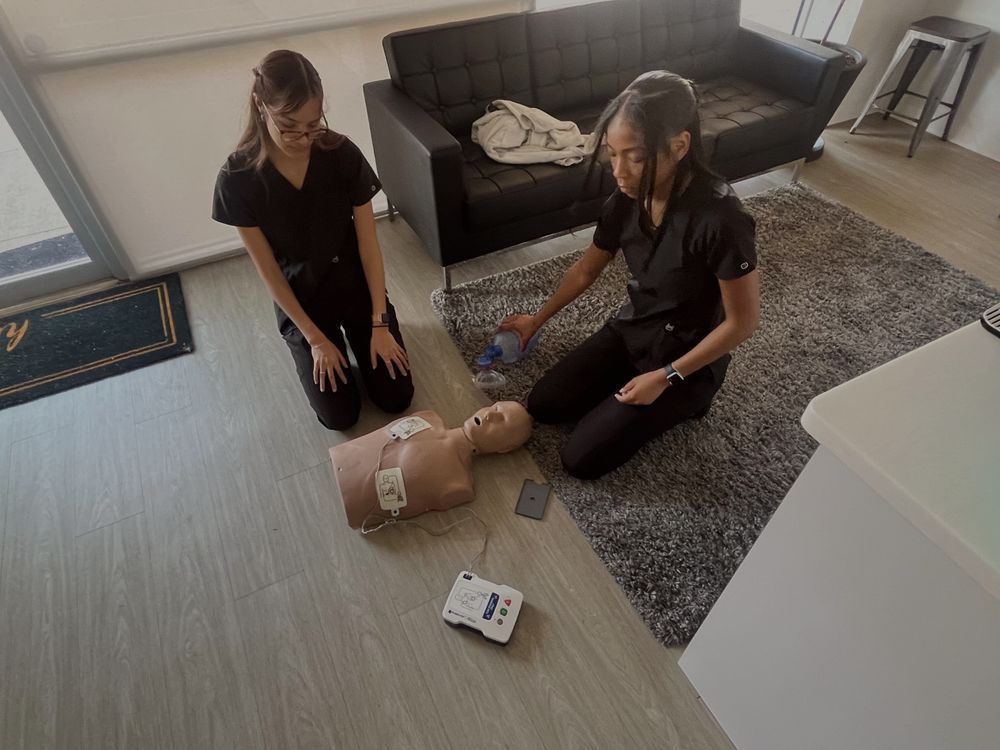
Building HIPAA Confidence Through Training Becoming proficient in HIPAA requires hands-on practice and real-world training. Many medical assistant programs offer HIPAA coursework, but the best learning comes from applying the principles during clinical labs and externships.
A strong training program will help you:
Recognize PHI instantly
Use secure digital systems
Handle charts and records properly
Communicate with patients respectfully
Avoid accidental disclosures
Respond to potential breaches correctly
If you’re preparing for a medical assistant career, choosing a program that includes in-depth compliance education—and opportunities to practice it—is essential.
Find a Future in Healthcare
HIPAA protects both patients and healthcare workers by ensuring privacy, security, and respect in every interaction. For medical assistants, understanding HIPAA is critical to performing daily tasks responsibly, maintaining trust, and supporting the overall quality of care in any healthcare facility. By staying informed, practicing good habits, and completing high-quality training, you can build the confidence needed to navigate sensitive information safely and professionally.
If you’re ready to start a rewarding healthcare career that prioritizes professionalism, patient care, and hands-on experience, Pulse Medical Assistant School can help you get there. Pulse offers an online-first, 16-week medical assistant program paired with intensive, in-person labs that prepare you to work confidently with real patients and real medical systems. HIPAA compliance is built into every part of the curriculum, ensuring you graduate ready to succeed in today’s modern healthcare environment.
Start your journey toward becoming a skilled, confident medical assistant with Pulse Medical Assistant School today.
You're only a few months from the medical assistant career you deserve.