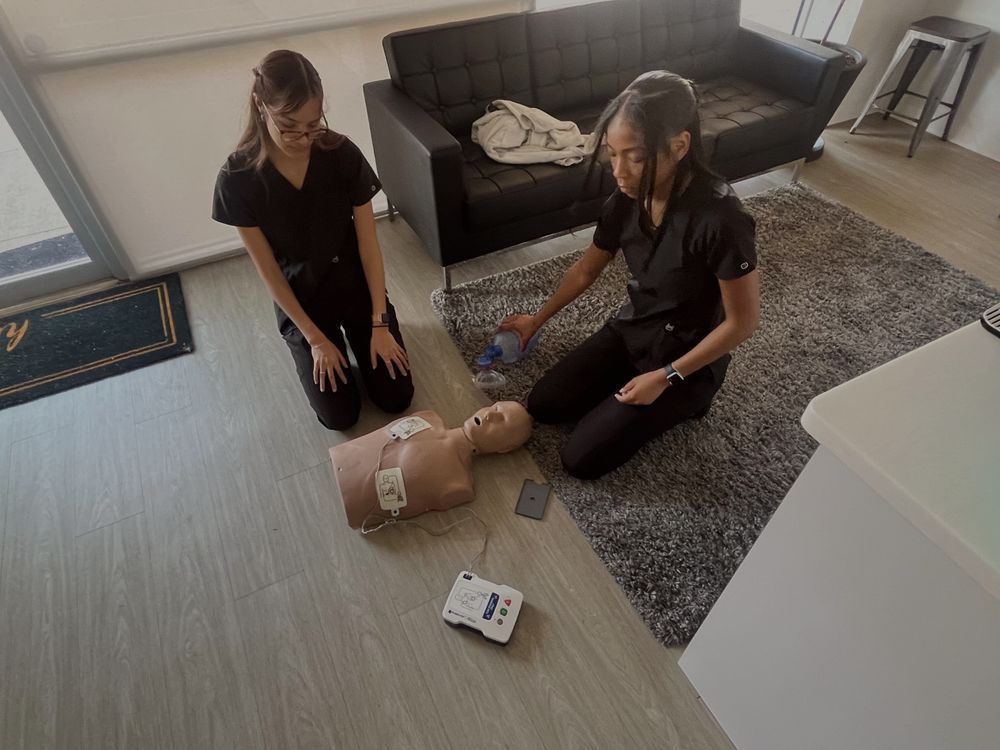
What Do Medical Assistants Do
What Do Medical Assistants Do?
The responsibilities of medical assistants can vary widely depending on their work environment, but their primary focus remains on enhancing patient care. They help maintain an organized and effective healthcare setting by managing the flow of information and assisting with clinical procedures. This versatility makes them indispensable members of healthcare teams, contributing significantly to patient satisfaction and the overall quality of care.
Key Responsibilities
In addition to patient intake, medical assistants often assist with examinations and procedures. They may prepare patients for exams, ensuring that they are comfortable and informed about what to expect. For example, they might provide patients with instructions on how to prepare for a specific test or procedure, such as fasting before a blood draw. Furthermore, medical assistants may also be responsible for administering medications and injections, under the supervision of a licensed healthcare professional, ensuring that patients receive timely treatment.
Managing medical records and scheduling appointments is another crucial aspect of a medical assistant’s role. They are responsible for maintaining accurate and organized patient files, which helps streamline the administrative process within healthcare settings.
This includes coordinating appointments and follow-ups, which is essential for patient care continuity. By efficiently managing these tasks, medical assistants contribute to reduced wait times and improved patient experiences.
Skills Required
Attention to detail is another critical skill for medical assistants. They must accurately record patient information, follow protocols for administering medications, and ensure that all tasks are completed thoroughly. A small oversight can lead to significant issues in patient care, making it essential for medical assistants to be meticulous in their work. For instance, when preparing vaccines, they must carefully check dosages and patient records to prevent errors.
Organizational abilities are also vital, as medical assistants often juggle multiple tasks simultaneously. They need to manage patient flow, keep track of medical records, and assist healthcare providers efficiently. Good organizational skills help prevent delays and improve the overall efficiency of healthcare operations. This multitasking capability is crucial in busy environments, such as hospitals or urgent care facilities.
Work Environments
Hospitals and outpatient care centers also employ medical assistants, where the pace can be more hectic. In these environments, they might assist in emergency settings, helping with patient intake and providing support during procedures. The ability to stay calm under pressure and effectively communicate with both patients and healthcare providers is essential. For example, in a hospital setting, a medical assistant may need to quickly gather information from patients in critical situations, requiring them to think on their feet.
Specialty clinics are another area where medical assistants can find employment. These clinics focus on specific areas of healthcare, such as dermatology or pediatrics, necessitating specialized knowledge and skills. Medical assistants in these settings may be tasked with specific duties tailored to the clinic’s focus, such as assisting with skin evaluations in dermatology. Their role in specialty clinics often involves more in-depth patient interaction and support for specialized procedures.
Career Outlook
For those looking to specialize, there are various opportunities within the medical assistant field. Specialization can enhance job prospects and lead to higher earning potential. Medical assistants may choose to focus on areas such as phlebotomy, which involves drawing blood, or medical coding, which requires knowledge of medical billing and insurance processes. These specializations can make candidates more competitive in the job market and provide pathways for career advancement.
Additionally, many medical assistants find opportunities for advancement within healthcare settings. With experience and further education, they can move into roles such as office managers, healthcare administrators, or even nursing. Many employers recognize the value of promoting from within, which encourages medical assistants to pursue further training and certifications, enhancing their skills and career prospects in the long run.
FAQs
Q: What is the primary role of a medical assistant? A: The primary role of a medical assistant is to support healthcare professionals by performing administrative and clinical tasks.
Q: Do medical assistants need formal education? A: While formal education can be beneficial, some positions may not require it, though certification is often preferred.
Q: What are common tasks performed by medical assistants? A: Common tasks include taking patient histories, measuring vital signs, and assisting during examinations.
Q: Is certification necessary for medical assistants? A: Certification is not always necessary.
You're only a few months from the medical assistant career you deserve.