What Education Do You Need to Become a Medical Assistant_
What Education Do You Need to Become a Medical Assistant?
Becoming a medical assistant is one of the fastest and most accessible ways to step into the healthcare field. But if you’re new to the profession, you might be wondering what kind of education is actually required. The truth is that while medical assistants don’t need a college degree, they do need focused, hands-on training to build the clinical and administrative skills that employers rely on every day. Doctors, nurses, and clinic managers depend on medical assistants to support patient care from the moment someone arrives to the moment they check out, and that level of responsibility requires proper preparation.
Whether you’re aiming to work in a physician’s office, specialty practice, urgent care center, or hospital outpatient department, the right educational path can help you become job-ready quickly and confidently. Medical assistant programs are designed to teach the real-world skills you’ll use in fast-paced clinical environments—skills like taking vital signs, drawing blood, updating electronic medical records, and communicating with diverse patient populations. When you choose the right program, you gain both the knowledge and the hands-on experience needed to thrive from day one.
Anatomy and Physiology Basics
All medical assistants need a foundational understanding of how the human body works. This education doesn’t require a college-level biology sequence, but it does require learning enough anatomy and physiology to confidently support patient care. Most accredited or high-quality training programs teach students about body systems, organs, common conditions, and the terminology used by physicians and nurses.
This knowledge helps medical assistants understand the “why” behind their daily tasks. When you know the role of the circulatory system, you’re better prepared to take accurate blood pressure readings or understand what might cause abnormal results. When you understand respiratory function, you can spot signs of distress and communicate clearly with clinical staff. Anatomy and physiology are the building blocks that allow medical assistants to work safely, accurately, and professionally in any medical setting.
Clinical Skills and Patient Care Techniques
One of the most important parts of medical assistant education is hands-on clinical training. These are the skills that place you directly at the center of patient care. Clinical coursework teaches students how to take vital signs, assist during exams, prepare treatment rooms, perform EKGs, carry out basic lab tests, and handle equipment safely. Many programs also cover essential topics like infection control, standard precautions, and how to maintain sterile environments.
Learning patient care techniques in a structured program—especially one that includes in-person labs—helps students develop confidence through repetition and practice. Instead of just reading about how to take a pulse, students practice on real people. Instead of watching a video about how to assist with specimen collection, they practice the steps in a supervised environment. Employers value medical assistants who can step into a clinical role without hesitation, and practical training is what makes that possible.
Administrative and Electronic Health Record (EHR) Training
Medical assistants aren’t just clinical professionals—they also support the administrative side of healthcare. This means learning how to schedule appointments, manage patient flow, update charts, verify insurance, and document information accurately. A strong medical assistant program provides education on front-office procedures, healthcare compliance, medical billing basics, and customer service skills.
Most importantly, students learn how to use electronic health record (EHR) systems. EHRs are used everywhere today, and employers expect new medical assistants to understand how to enter and retrieve patient information quickly and correctly. Training also includes learning proper documentation standards, medical abbreviations, and legal requirements such as HIPAA. When students understand both clinical and administrative duties, they become versatile professionals who can take on a wide range of responsibilities.
Medical Terminology and Communication Skills
Medical assistants are communicators—they translate medical language into understandable information for patients and relay accurate clinical details to physicians and nurses. To do this effectively, they need to learn medical terminology. Terms related to anatomy, procedures, medications, and diagnoses are woven into every part of healthcare, and being able to understand them allows medical assistants to work confidently and professionally.
Strong communication skills are also essential. Education for medical assistants includes training in patient interaction, professional boundaries, privacy regulations, and culturally responsive communication. MAs often work with nervous or confused patients, so learning how to speak calmly, clearly, and respectfully is part of making healthcare feel safe and accessible. Whether you’re explaining a procedure or gathering personal health information, the ability to communicate well is a central part of the job.
Phlebotomy and Laboratory Procedures
Although not every medical assistant will draw blood or process lab samples daily, many employers prefer candidates who have experience with phlebotomy and point-of-care testing. This is why quality medical assistant programs include education on venipuncture techniques, safe needle handling, specimen labeling, and CLIA-waived tests.
Students also learn how to prepare specimens for transport, follow infection-control protocols, and maintain proper documentation for lab work. These skills are highly valuable in outpatient clinics, urgent care centers, and specialty practices. When medical assistants can handle lab tasks confidently, providers can deliver faster diagnostics and more streamlined patient care. Phlebotomy skills also open doors to additional certifications and career pathways in the future.
CPR, First Aid, and Emergency Response Training
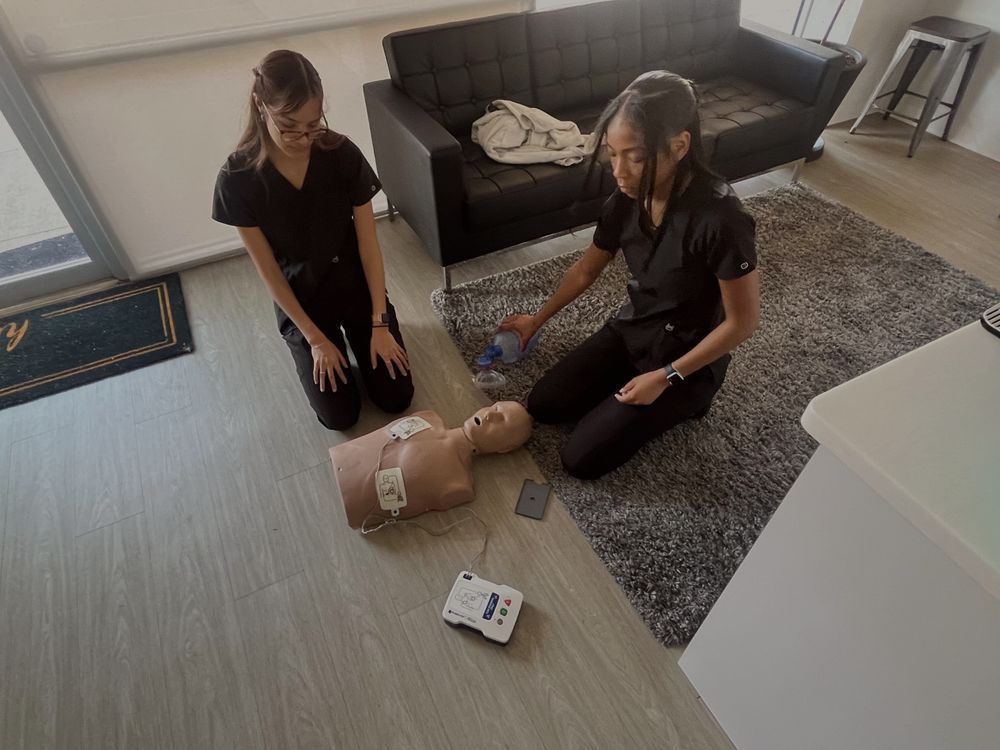
Medical assistants are often the first individuals to respond when a patient experiences distress in the waiting room or exam area. Because of this, training in CPR, basic life support (BLS), and first aid is essential. Healthcare facilities expect medical assistants to understand early warning signs, follow emergency procedures, and assist licensed staff during urgent situations.
Most programs ensure students are certified or prepared to earn CPR/BLS certification. Education may also include learning how to handle emergencies such as fainting, allergic reactions, seizures, or asthma attacks. These skills build confidence and readiness. Patients feel safer, and providers trust that MAs know how to respond quickly and appropriately. Emergency response training helps medical assistants become reliable members of the care team—even when unexpected situations arise.
Why Structured Training Matters
Why Structured Training Matters While some states don’t require formal education to work as a medical assistant, structured training is increasingly becoming the standard. Employers prioritize job candidates who come from reputable programs because these students arrive with documented skills, hands-on experience, and a clear understanding of medical office workflows.
A high-quality program helps students:
Build confidence through repetition and supervised practice
Earn credentials that make them more competitive in the job market
Learn both clinical and administrative skills, creating career flexibility
Learn both clinical and administrative skills, creating career flexibility
Prepare for nationally recognized certification exams
Start their healthcare careers in months, not years
Structured education isn’t just about meeting hiring requirements—it’s about becoming a safe, competent, and trusted member of the healthcare team.
Start Your Training with Pulse Medical Assistant School
Start Your Training with Pulse Medical Assistant School If you’re ready to begin your medical assistant career, the right education can make all the difference. Pulse Medical Assistant School is an online-first program designed to help future medical assistants learn quickly, confidently, and affordably. Their 16-week training includes intensive, in-person labs that give students real clinical experience with real equipment—so you’re fully prepared to help real patients receive real care.
Pulse combines flexible online coursework with hands-on training, expert instructors, and a curriculum focused on the exact skills employers want. If you’re looking for an accessible, supportive path into a high-demand healthcare career, Pulse gives you everything you need to get started.
You're only a few months from the medical assistant career you deserve.