What Employers Look for in a Medical Assistant_ Duties & Sample Job Post
What Employers Look for in a Medical Assistant: Duties & Sample Job Post
Medical assistants play one of the most essential roles in today’s growing healthcare system. They keep clinics running smoothly, support physicians, guide patients through appointments, and ensure medical settings stay organized and efficient. Because they work at the intersection of clinical care and administrative support, employers look for medical assistants who bring a rare blend of technical skill, professionalism, compassion, and reliability.
Whether you’re just starting your medical assistant career or preparing to apply to new roles, understanding what employers expect can give you a meaningful edge. Most hiring managers look for candidates who not only know how to perform the job, but who show initiative, communicate clearly, and demonstrate a genuine commitment to patient care. In this guide, you’ll learn the top qualities employers look for, the duties commonly included in job descriptions, and what a real sample job post looks like so you can feel fully prepared.
What Employers Want in a Medical Assistant
What Employers Want in a Medical Assistant Employers look for medical assistants who can thrive in a fast-paced, people-focused environment. Here are the qualities, competencies, and traits that matter most.
Strong Clinical Competence
Medical assistants are often the first clinical touchpoint for patients. Employers want candidates who can confidently and correctly perform core clinical skills, such as:
Medical assistants are often the first clinical touchpoint for patients. Employers want candidates who can confidently and correctly perform core clinical skills, such as: Taking vital signs
Administering injections
Collecting specimens
Performing EKGs
Updating electronic health records
Preparing exam rooms
Preparing exam rooms
Assisting providers during exams
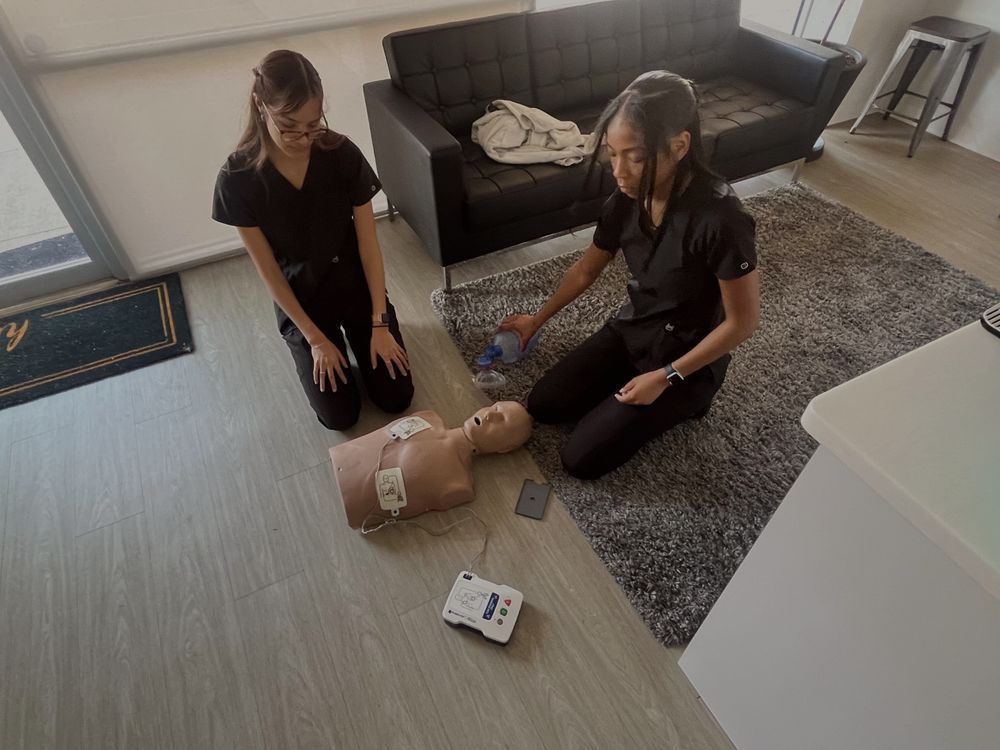
Because medical assistants directly impact patient safety, employers prioritize those who are well-trained, detail-oriented, and comfortable with hands-on care. Proper clinical training—especially through programs that include in-person labs—helps candidates stand out from the moment they apply.
Excellent Communication Skills
Healthcare is a highly collaborative environment. Medical assistants communicate with patients, physicians, nurses, administrative staff, insurance representatives, and sometimes family members. Employers look for medical assistants who can:
Speak clearly and professionally
Listen attentively
Provide instructions patients understand
Communicate observations to providers
De-escalate stressful patient interactions
Communication also affects patient comfort. Employers appreciate medical assistants who create a warm, supportive environment from check-in to checkout.
Professionalism and Reliability
Dependability is one of the top qualities healthcare employers mention when hiring. Medical assistants must be punctual, steady under pressure, and capable of juggling multiple tasks.
Professionalism includes:
Consistent attendance
Respectful interactions
Maintaining confidentiality
Remaining calm during emergencies
Following policies and procedures
Taking initiative
Employers rarely want to train someone who brings a poor attitude but great skills—they want both professionalism and competence.
Organizational Strength
A large part of a medical assistant’s day involves managing tasks that keep the clinic running well. This often includes:
A large part of a medical assistant’s day involves managing tasks that keep the clinic running well. This often includes: Scheduling patients
Updating charts
Managing supplies
Checking insurance information
Coordinating patient flow
Processing forms and referrals
Employers value medical assistants who are organized, efficient, and able to manage a steady workflow without feeling overwhelmed.
Compassion and Patient-Centered Care
Medical assistants often interact with patients who are anxious, in pain, or unsure of what to expect. Hiring managers look for medical assistants who demonstrate empathy and treat patients with dignity and kindness.
Patients notice when their medical assistant is caring. So do employers. Compassion is especially important in pediatrics, primary care, women’s health, geriatrics, and specialty practices where relationships are long-term.
Adaptability and Willingness to Learn
Healthcare changes quickly. New technologies, new treatment approaches, and new protocols are introduced all the time. Employers want medical assistants who show:
Flexibility
Openness to learning new skills
Ability to handle change
Comfort with technology
Medical assistants who adapt well and stay curious tend to grow quickly within their clinics—and are often considered for leadership roles.
Strong Administrative Abilities
Many employers rely on medical assistants to support the administrative side of patient care. This can include:
Answering phones
Managing appointments
Verifying insurance
Updating medical records
Supporting billing staff
Coordinating referrals
Handling patient communications
A medical assistant who can combine administrative proficiency with clinical skill provides enormous value. Employers often refer to this as being a “true hybrid MA.”
Common Duties in Medical Assistant Job Descriptions
Common Duties in Medical Assistant Job Descriptions While job duties vary based on the practice type, most medical assistant job postings include responsibilities in both clinical care and administration. Below are the most common duties employers list.
Clinical Duties
Measuring and recording vital signs
Administering medications under provider supervision
Performing point-of-care tests (strep, flu, glucose, etc.)
Setting up exam rooms
Assisting with minor in-office procedures
Collecting and preparing lab specimens
Performing EKGs and basic respiratory tests
Sterilizing equipment
Educating patients on medications or follow-up steps
These duties require proper training, attention to detail, and confidence in hands-on care.
Administrative Duties
Scheduling patient appointments
Managing electronic health records
Updating and uploading patient information
Greeting patients and managing check-in/check-out
Verifying insurance and preparing pre-authorizations
Handling phone calls and patient questions
Processing referrals
Recording detailed visit notes
Administrative duties ensure the clinic remains organized and efficient, and that physicians can focus on providing care.
Interpersonal Duties
A growing number of job posts highlight “soft skills,” including:
Providing excellent patient service
Ensuring patient comfort
Supporting a team environment
Remaining calm during stressful moments
Maintaining empathy and professionalism
These skills are often the deciding factor in hiring decisions.
What Makes a Candidate Stand Out
What Makes a Candidate Stand Out Employers get dozens—sometimes hundreds—of applicants for a single medical assistant position. Here’s what elevates the best candidates:
Completion of a Reputable Training Program
Candidates who have graduated from credible medical assistant programs—especially those with hands-on labs—tend to be more prepared and confident. Employers love applicants who:
Know the basics on day one
Require less on-the-job training
Demonstrate real-world readiness
A strong education signals commitment and assures employers that the candidate understands both the clinical and administrative sides of healthcare.
Certification or Eligibility for Certification
Some employers require certification (CMA, RMA, CCMA, or NCMA). Even when it’s optional, being certified—or enrolled in a program that prepares you for certification—helps you stand out immediately.
Certification signals professionalism, credibility, and confidence.
Strong Resume and Communication Abilities
A polished resume, professional email communication, and courteous behavior during interviews make a big impact.
Employers notice when candidates can:
Write clearly
Explain their skills
Ask great questions
Show enthusiasm for patient care
These qualities demonstrate maturity and readiness.
Experience in Customer or Patient-Facing Roles
Retail, hospitality, childcare, or office experience often impresses employers. It shows you know how to:
Stay calm when busy
Work with people
Provide great service
Solve problems quickly
Transferable skills matter—and employers recognize them.
A Genuine Passion for Healthcare
Skills can be taught. Passion cannot.
Skills can be taught. Passion cannot.
The best medical assistants show a sincere desire to help people and grow in the medical field. Employers gravitate toward candidates who express purpose, curiosity, and long-term commitment.
The best medical assistants show a sincere desire to help people and grow in the medical field. Employers gravitate toward candidates who express purpose, curiosity, and long-term commitment.
Sample Medical Assistant Job Post
Below is a realistic sample job posting you can use to understand employer expectations or model your own application after.
Sample Posting: Medical Assistant – Full Time (Primary Care)
Location: Riverside Family Medicine
Schedule: Monday–Friday, 8:00 a.m.–5:00 p.m. Compensation: Competitive hourly rate + benefits
About Us
Riverside Family Medicine is a fast-paced, patient-focused primary care clinic dedicated to providing excellent care to individuals and families. We are seeking a compassionate, dependable Medical Assistant to join our team and support our providers in delivering exceptional patient experiences.
Key Responsibilities
Key Responsibilities Clinical Duties:
Record vital signs and patient histories
Prepare exam rooms and assist during patient exams
Administer vaccines and medications as directed
Perform point-of-care tests
Collect and prepare lab specimens
Perform EKGs
Maintain clinical supplies and equipment standards
Administrative Duties:
Greet and check in patients
Verify insurance and update patient records
Schedule appointments and process referrals
Answer patient calls and relay messages to providers
Document visit notes accurately in the EHR system
Qualifications
Completion of a medical assistant program
Certification (CMA, RMA, CCMA, or NCMA) preferred
Strong communication and interpersonal skills
Ability to multitask and maintain professionalism
Compassionate attitude with a commitment to patient care
Comfortable working in a fast-paced clinical environment
Why Join Us?
Why Join Us?
Supportive, team-oriented environment
Opportunities for growth and professional development
Competitive benefits and paid training
Meaningful work that impacts the health of our community
To Apply: Submit your resume and a brief cover letter explaining your interest in patient care and your experience in clinical or customer service roles.
Train for a Career Employers Want
Train for a Career Employers Want Medical assistants play a vital role in modern healthcare, and employers want professionals who bring a balanced mix of clinical skills, administrative capabilities, and compassionate patient care. Understanding what employers look for—combined with strong training and the right preparation—can help you confidently apply to positions and build a long, successful career.
If you’re ready to become the type of medical assistant employers are excited to hire, Pulse Medical Assistant School can help you get there. Pulse is an online-first, 16-week medical assistant program with intensive, in-person labs that ensure you gain the hands-on experience, clinical confidence, and real-world skills needed to care for real patients in real medical settings.
Start building the career you want with training that prepares you for day one.
You're only a few months from the medical assistant career you deserve.