What Employers Really Look for When Hiring Medical Assistants
What Employers Really Look for When Hiring Medical Assistants
Switching careers can feel like stepping onto an entirely new playing field—especially when the transition is into healthcare. Medical assisting is one of the most accessible paths for career changers because it blends hands-on clinical work with patient interaction, administrative support, and opportunities for growth. However, even with strong motivation, many career changers wonder the same thing: What exactly are employers looking for when they hire medical assistants?
Fortunately, clinics, hospitals, private practices, and specialty offices are more open than ever to hiring career changers. Employers know that people from other industries bring maturity, transferable skills, and work ethic that can strengthen their patient care teams. But they also have specific expectations when evaluating candidates. Understanding these priorities helps you stand out—not just as a qualified applicant, but as a medical assistant who will make a real impact on patient care.
Below are five things employers look for when hiring medical assistants, especially career changers who are ready to bring fresh energy and dedication into the field.
Solid Training and Relevant Certifications
For career changers, strong training is one of the most important factors employers evaluate. Medical assistants play a critical role in patient care—they take vitals, assist with exams, manage patient records, prepare lab specimens, and help facilities run efficiently. Because of this, employers expect new medical assistants to have a solid foundation in clinical and administrative skills from day one.
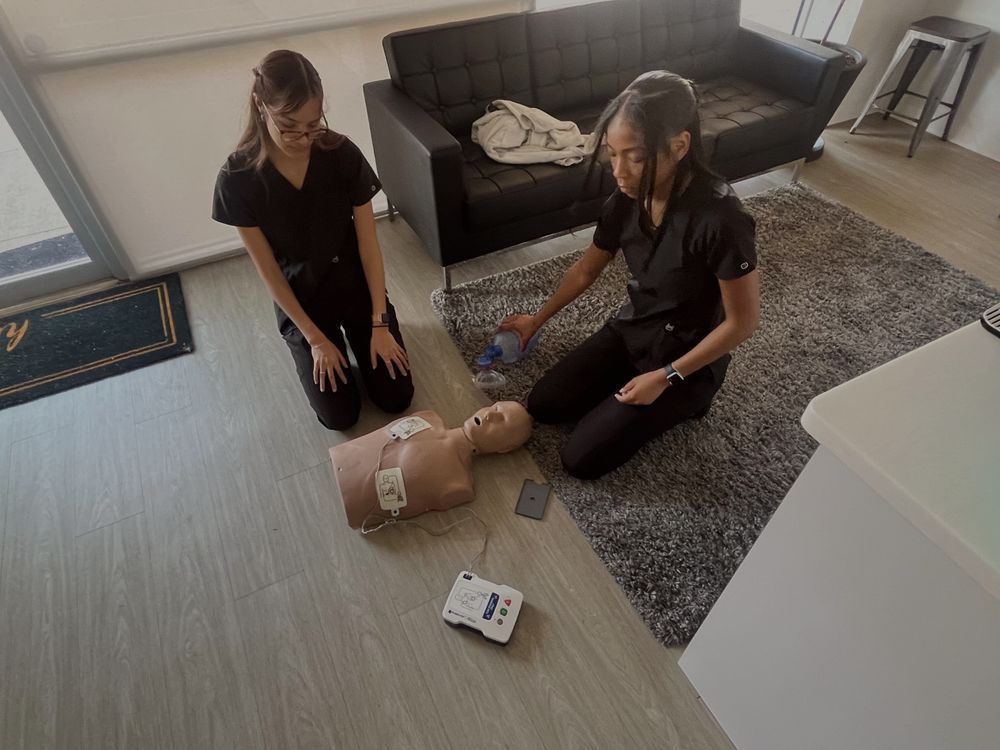
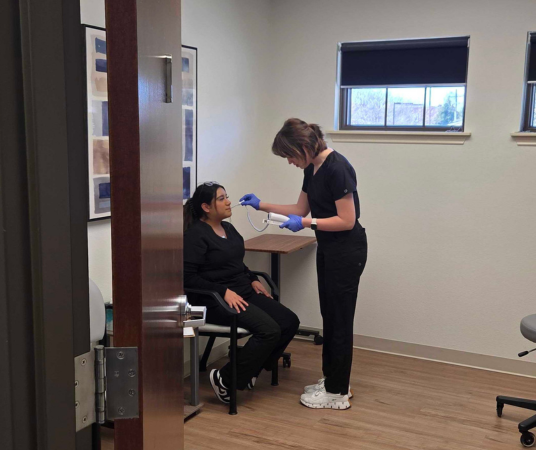
That’s why completing a reputable training program is essential. Employers prefer candidates who have completed an accredited or industry-recognized medical assistant program that includes hands-on practice. Since many career changers don’t have healthcare experience, training helps bridge the gap and shows employers you’re prepared for real clinical scenarios.
Certification also boosts your application. While not every state requires medical assistants to be certified, employers often favor candidates who hold credentials such as:
Certification also boosts your application. While not every state requires medical assistants to be certified, employers often favor candidates who hold credentials such as:
Certified Clinical Medical Assistant (CCMA)
Registered Medical Assistant (RMA)
National Certified Medical Assistant (NCMA)
Certified Medical Assistant (CMA)
Certification demonstrates mastery of essential skills and commitment to the profession. For career changers, it also sends a powerful message: you’re serious about building a long-term healthcare career.
Employers also look for candidates who have completed clinical labs or externships. These experiences give students hands-on exposure to real medical environments and ease the transition into a new career. Career changers often thrive during externships because they bring communication skills, professionalism, and confidence developed in previous roles.
Communication Skills and Professionalism
Effective communication isn’t just helpful in healthcare—it’s essential. Medical assistants interact with patients, families, nurses, physicians, and administrative staff daily. For career changers, strong communication skills from previous jobs (like customer service, hospitality, education, or sales) translate extremely well into medical assisting.
Employers look for medical assistant candidates who can:
Communicate clearly and respectfully
Listen with empathy
Explain procedures or instructions in patient-friendly language
Work well in fast-paced, team-oriented environments
Maintain professionalism during stressful moments
Professionalism also matters. Healthcare employers want medical assistants who are reliable, respectful, and focused on delivering excellent patient experiences. This includes punctuality, appropriate workplace behavior, strong ethics, and the ability to keep patient information confidential.
Career changers often excel in this category because they’ve had time to build workplace maturity, self-awareness, and confidence in previous jobs. Employers value these strengths—sometimes even more than prior healthcare experience—because they directly influence patient trust and team efficiency.
In interviews, employers often ask behavioral questions such as:
“Tell me about a time you dealt with a difficult customer or situation.”
“How do you handle pressure or multitasking?”
“What do you do when you encounter a challenging personality on your team?”
Career changers can shine here by demonstrating emotional intelligence and professionalism, two traits that make a strong medical assistant candidate stand out immediately.
Comfort With Technology and Administrative Tasks
Many people assume medical assistants spend most of their day taking vitals or supporting providers with clinical procedures. While clinical work is a major component, administrative responsibilities are just as important. Employers want medical assistants who feel comfortable navigating technology, managing documentation, and supporting front-office operations when needed.
Medical assistants are expected to:
Medical assistants are expected to:
Use Electronic Health Records (EHR) systems
Schedule appointments
Verify insurance information
Process referrals
Maintain accurate patient charts
Communicate through patient portals and messaging systems
Understand basic billing or coding (depending on the workplace)
Career changers who have experience with computers, customer databases, office software, or digital communication tools already have a significant advantage. Employers appreciate candidates who adapt quickly to new systems, stay organized, and maintain accurate records—because errors in documentation can lead to delays in care or insurance issues.
Technology in healthcare is constantly evolving. Practices often switch EHR systems or adopt new scheduling platforms, so adaptability is key. A candidate who can learn new programs quickly becomes an immediate asset to any medical office.
During interviews, employers may ask:
“Have you worked with digital tools or customer databases?”
“How do you stay organized when managing multiple tasks?”
“Tell me about a time you had to learn a new computer system.”
Career changers can use past administrative, technical, or customer service roles to highlight their comfort with technology and fast learning abilities.
A Patient-First Mindset and Compassion
Technical skills can be taught—but compassion is much harder to teach. Healthcare employers want to hire medical assistants who truly care about people, show empathy, and understand the importance of creating positive patient experiences.
Medical assistants are often the first and last people patients interact with during a visit. That means the ability to make someone feel welcome, supported, and safe is invaluable.
Medical assistants are often the first and last people patients interact with during a visit. That means the ability to make someone feel welcome, supported, and safe is invaluable.
Employers look for candidates who demonstrate:
Kindness and patience
A calm and reassuring presence
A desire to help others
Respect for patients from all backgrounds
Sensitivity when discussing health concerns
Emotional resilience
For career changers coming from service-oriented fields like hospitality, caregiving, childcare, retail, or community work, these qualities come naturally. Employers recognize and value that. They know compassionate medical assistants help build trust—and trust improves treatment outcomes.
Healthcare environments can be emotionally intense. Patients may feel anxious, overwhelmed, or frustrated. Employers look for medical assistants who can stay steady, supportive, and positive even in difficult moments.
During interviews, they may ask:
“How would you help a patient who is nervous or afraid?”
“Tell me about a time you supported someone in a difficult situation.”
“What does patient care mean to you?”
Career changers who focus on empathy, emotional intelligence, and a genuine desire to serve others often stand out as exceptional medical assistant candidates.
Adaptability and a Growth Mindset
Employers love hiring medical assistants who are flexible, eager to learn, and motivated to grow. The healthcare field evolves constantly—new treatments, new technologies, new workflows, and new patient needs. Medical assistants who can adapt quickly and stay positive when things change are incredibly valuable.
Career changers are often strong in this area because they’ve already demonstrated adaptability by switching fields. Employers want to see candidates who are open to feedback, willing to ask questions, and excited to build new skills.
Adaptability is especially important in settings where medical assistants handle both front-office and back-office duties. You might take vitals one moment, assist a provider the next, and then help check in new patients at the reception desk. Employers want team members who can go with the flow and stay organized even when the day becomes unpredictable.
Growth mindset is another trait employers prioritize. This includes:
Being open to continuous education
Staying curious about new medical practices
Being willing to take on new responsibilities
Showing initiative
Demonstrating long-term commitment to healthcare
Career advancement is strong in medical assisting, and employers know that motivated medical assistants often move into more skilled roles like phlebotomy, medical office administration, or even further education in nursing or healthcare leadership. A candidate who wants to grow is an investment worth making.
During interviews, employers may ask:
“Where do you see yourself in healthcare in a few years?”
“Tell me about a time you had to adapt to a major change at work.”
“How do you continue learning on the job?”
Career changers who can show flexibility, motivation, and commitment position themselves as highly desirable hires.
Career changers who can show flexibility, motivation, and commitment position themselves as highly desirable hires.
Employers Want Prepared, Compassionate, Motivated Candidates—Career Changers Included
If you’re transitioning into medical assisting, the good news is that healthcare employers value many of the strengths you already possess: communication skills, customer experience, professionalism, empathy, and adaptability. Combined with the right training, these qualities make career changers highly competitive candidates in a rapidly growing field.
The key is to show employers that you’re prepared, motivated, and ready to bring the same dedication to patient care that you’ve shown in previous roles. With strong training, a patient-focused mindset, and a willingness to grow, you’ll stand out in an industry that truly needs people like you.
Ready to Start Your Career Change? Train With Pulse Medical Assistant School
Ready to Start Your Career Change? Train With Pulse Medical Assistant School If you’re serious about transitioning into healthcare, the right training makes all the difference. Pulse Medical Assistant School is an online-first, 16-week medical assistant program designed specifically for people who want flexibility without sacrificing real-world clinical experience. Students complete hands-on, in-person labs led by experienced instructors—giving you the confidence to help real patients receive real care.
Whether you’re switching from retail, customer service, administration, hospitality, or any other field, Pulse gives you the training, support, and skills you need to step into healthcare with confidence.
You're only a few months from the medical assistant career you deserve.