What Happens If You Fail Your Medical Assistant Exam_
What Happens If You Fail Your Medical Assistant Exam?
Becoming a certified medical assistant is an exciting step toward a long-term healthcare career. Certification can open doors to higher pay, better job prospects, and more opportunities for advancement. But with so much on the line, it’s natural to feel anxious about one big moment: exam day. And if things don’t go as planned? Many aspiring medical assistants worry that failing their exam means starting over—or worse, that their dreams are suddenly out of reach.
The good news is that failing your medical assistant exam is far more common than people realize, and it’s not the end of your journey. In fact, almost every certification body builds in clear pathways to retest. Understanding what happens next can help you stay calm, confident, and motivated to keep going.
This guide walks through what happens if you fail your medical assistant exam, how to retake it, what steps to take after receiving your score, and how you can come back even stronger.
Why Failing the MA Exam Isn’t the End of the Road
Why Failing the MA Exam Isn’t the End of the Road Before diving into retake rules, it’s important to understand one thing: failing the exam doesn’t mean you’re unprepared for a medical assistant career. Many capable and well-trained students don’t pass on the first try. Sometimes it’s nerves. Sometimes it’s pacing. Sometimes it’s just an off day.
Certification boards know this, which is why they offer multiple retake opportunities. Employers also understand that a test score doesn’t define your entire skill set. Your training, clinical abilities, and professionalism matter even more.
Failing your exam simply means you need a bit more preparation time—and a solid strategy for what comes next.
You’ll Receive a Score Report Highlighting Your Strengths and Weaknesses
One of the most helpful things that happens after failing your exam is receiving a performance breakdown. Certification bodies like the NHA (CCMA), AAMA (CMA), and AMT (RMA) typically provide a detailed score report that shows:
How you performed in each content area
How you performed in each content area
Which topics you struggled with the most
How close you were to passing
How close you were to passing
Areas you should focus on before attempting a retake
This score report is one of the most valuable tools you have. Instead of guessing where things went wrong, you get a roadmap for improvement. Many students find that once they understand their weak areas—whether it’s phlebotomy techniques, administrative tasks, or patient communication—they bounce back quickly on the next attempt.
Use this report to build your study plan. Let it guide how you allocate your time, what materials you revisit, and what skills you may need extra practice on.
You Can Schedule a Retake—But Rules Vary by Certification Body
Each certification organization has its own guidelines for retesting. Here’s a general breakdown of what you can expect depending on which exam you took:
AAMA (CMA Exam)
You may retake the exam up to three times within 12 months of your initial attempt.
You must pay a retake fee.
There may be a mandatory waiting period before your next attempt.
NHA (CCMA Exam)
You can retake the exam after 30 days if you do not pass.
You can retake the exam after 30 days if you do not pass. After three failed attempts, a longer waiting period may apply.
AMT (RMA Exam)
You can retake the exam after 45 days.
You can retake the exam after 45 days. You may be required to pay an additional exam fee each time.
NCCT (NCMA Exam)
Retake policies can vary, but typically include a waiting period of 30 days and a retake fee.
Even though the policies differ, the takeaway is the same: you can retake your medical assistant exam, often more than once. If you fail, you’re not starting from zero—you’re simply preparing for the next opportunity.
You’ll Need to Pay a Retake Fee
Most certification organizations require a retake fee, which typically ranges from $75 to $150. While this can feel frustrating after already investing time and money into your education, it’s standard across the industry.
A few tips to make the cost easier to manage:
Ask your training program if they offer exam-fee reimbursement.
Look for employer-sponsored certification, especially if you already work in a healthcare environment.
Use flexible spending accounts or professional development funds, if available.
If you fail, the retake cost is simply part of the process—not a setback.
You Might Need to Update or Adjust Your Study Strategy
Failing your exam doesn’t mean you didn’t try hard—it usually means your study strategy needs a small shift. Now that you have your score report, you can take a smarter, more targeted approach to studying.
Here are some ways students improve the second time around:
Refocus on the sections you missed
Use your score report to home in on the areas where you scored lowest. These are the topics that will give you the biggest improvement on your next attempt.
Use updated or more comprehensive study materials
This may include:
Practice tests
Flashcards
Updated textbooks
Video walkthroughs
Online prep courses
Sometimes a new format or a different instructor helps everything click.
Practice under exam conditions
Time pressure is one of the biggest reasons students fail. Try:
Full-length practice exams
Timed drills
Quiet, distraction-free study sessions
Simulating exam day builds confidence and helps reduce anxiety.
Seek support from your instructors or program
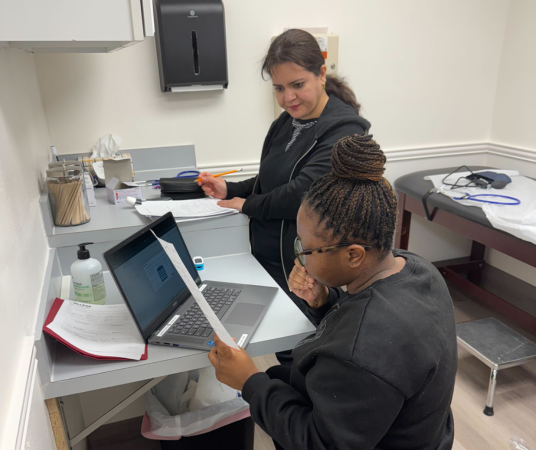
If you’re still in touch with your medical assistant instructors, ask for help reviewing material. They can often explain difficult concepts or provide extra resources that strengthen your understanding.
You’ll Be Allowed Multiple Attempts—Certification Bodies Expect It
Many students feel embarrassed after failing their exam. But statistically, a large percentage of medical assistants do not pass on their first try. Certification bodies expect this, which is why their retake policies are flexible and student-friendly.
Most allow several attempts within one year, and many students pass on their second or third try once they adjust their study habits.
The key is not getting discouraged. You’ve already completed the hardest part: your training. Retaking the exam is simply about mastering the test format and filling in knowledge gaps.
You Can Continue Working in Many Cases—Even Without Certification
Certification dramatically strengthens your job prospects, but failing your exam doesn’t necessarily stop you from working in the field.
Depending on your state and employer:
You may still qualify for medical assistant positions that don’t require certification.
You can work as an MA while preparing for your next exam attempt.
You can work as an MA while preparing for your next exam attempt. Some emloyers hire uncertified MAs and allow them to test again within a certain timeframe.
Healthcare employers understand that certification is a process. Many will still consider you for entry-level roles—especially if you’ve completed a strong training program and bring professionalism, communication skills, and hands-on lab experience.
You’ll Gain Valuable Insight That Helps You Pass the Next Time
Failing the exam may feel discouraging in the moment, but many medical assistants later say it was a turning point in their career. The experience gives you:
A clearer understanding of the exam structure
Better insight into how the certification questions are written
A chance to strengthen weak areas
Greater confidence going into your next attempt
It’s not unusual for students to score significantly higher their second time around because they already know what to expect.
Think of your first attempt as a practice run—one that sets you up for success.
You Can Build a New Study Plan That Works for Your Learning Style
Everyone learns differently, and sometimes the issue isn’t knowledge—it’s how the material was reviewed. Here are strategies that help different types of learners succeed:
Visual learners
Diagrams
Chart reviews
Color-coded notes
Video tutorials
Auditory learners
Recorded lectures
Study groups
Flashcards read aloud
Hands-on learners
Practicing skills in a clinical setting
Scenario-based questions
Demonstration-based learning
If your previous study method didn’t match your learning style, now’s the perfect time to adjust.
You’ll Have Time to Strengthen Your Clinical Skills
Most MA exams include clinical questions on topics like:
Injections
EKG procedures
Phlebotomy
Vital signs
Specimen collection
Infection control
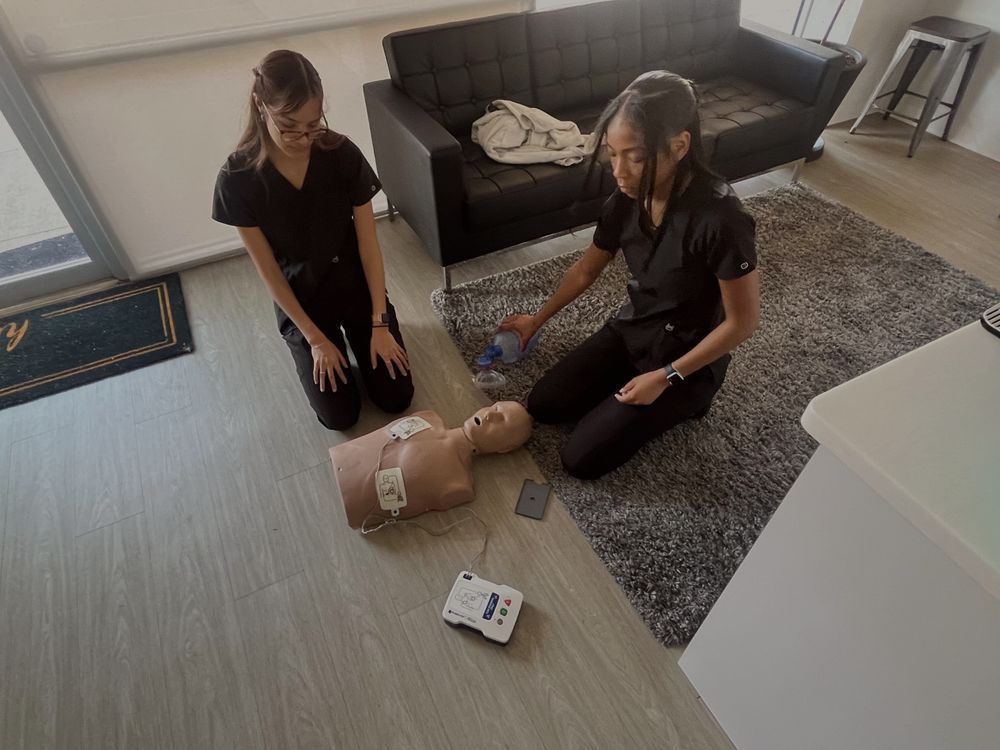
If you struggled with clinical content, consider additional practice before your next attempt. Many medical assistant programs allow graduates to return to labs for extra support or to refresh skills.
Hands-on confidence often leads to higher scores because the exam becomes easier to visualize and understand.
Failing the Exam Can Actually Make You a Better Medical Assistant
While it may not feel like it at first, failing your exam can become a stepping stone toward a stronger future. When students retake the exam, they often finish their training with:
A deeper mastery of MA responsibilities
Improved critical thinking
More resilience
Stronger test-taking skills
Higher confidence moving into the workplace
The healthcare field is full of challenges, and learning to bounce back is part of becoming an exceptional medical assistant.
The healthcare field is full of challenges, and learning to bounce back is part of becoming an exceptional medical assistant. Failing isn’t a reflection of your potential—it’s an opportunity to grow.
Failing Your Medical Assistant Exam Isn’t the End—It’s a New Beginning
If you fail your medical assistant certification exam, remember this: you’re not alone, and you’re not done. You’ll have the chance to retake the exam, rebuild your study plan, and come back even stronger. Every healthcare professional—from doctors to nurses to MAs—has faced setbacks along the way. What matters is that you stay committed to your goals.
With preparation, feedback, and the right training, you can pass your exam and step confidently into a rewarding healthcare career.
Take the Next Step with Pulse Medical Assistant School
Take the Next Step with Pulse Medical Assistant School If you’re preparing for your exam—or planning to retake it—training matters. Pulse Medical Assistant School offers an online-first, 16-week medical assistant program with intensive, in-person labs that give aspiring medical assistants the hands-on confidence to care for real patients in real clinical settings.
Whether you’re just starting your journey or strengthening your skills for your next exam attempt, Pulse can help you succeed.
You're only a few months from the medical assistant career you deserve.