What Is a Medical Assistant? Duties, Career Outlook, and How to Get Started with Pulse

What is a medical assistant? In short: the person who keeps a medical office running. Medical assistants handle a mix of clinical and administrative responsibilities — taking vitals, drawing blood, updating records, scheduling patients, assisting during procedures, and communicating with everyone from anxious patients to busy physicians.
It’s one of the fastest-growing entry-level healthcare careers in the country, and you don’t need a college degree to get started. Here’s a closer look at what the role actually involves, what the career outlook looks like, and how Pulse can get you there.
What medical assistants do day to day
The daily work breaks down into two main categories:
Clinical duties
These are the hands-on, patient-facing tasks:
- Measuring and recording vital signs — blood pressure, heart rate, temperature, respiration rate, oxygen saturation
- Phlebotomy — drawing blood for lab tests, labeling specimens, following safety protocols
- Administering injections — intramuscular, subcutaneous, and intradermal (as allowed by state regulations)
- Performing EKGs — placing leads, running 12-lead electrocardiograms, identifying artifacts
- Assisting during exams and procedures — positioning patients, handing instruments, maintaining sterile technique
- Infection control — sterilizing instruments, disinfecting rooms, following OSHA guidelines
Administrative duties
These keep the office organized and the schedule moving:
- Scheduling appointments and managing patient flow
- Checking in patients and collecting intake information
- Updating electronic health records (EHR)
- Verifying insurance and handling billing basics
- Answering phones and coordinating referrals
- Maintaining HIPAA compliance
Most medical assistants do a mix of both — which is part of what makes the job interesting. No two days look exactly the same.
Where medical assistants work
Medical assistants are employed across a wide range of healthcare settings:
- Physician offices — the most common setting
- Outpatient clinics and urgent care centers
- Specialty practices — dermatology, cardiology, orthopedics, pediatrics, OB/GYN
- Hospitals and health systems
- Community health centers
The variety of settings means you can find a work environment that matches your interests and lifestyle.
Career outlook and pay
Medical assisting is one of the fastest-growing occupations in healthcare. The Bureau of Labor Statistics projects strong job growth over the next decade, driven by an aging population and expanding access to care.
Pay
- National median salary: approximately $42,000–$46,000/year
- Higher-paying settings: outpatient centers, specialty practices, and hospitals
- Certification premium: holding a CCMA can lead to higher starting wages and faster advancement
Growth opportunities
Medical assisting isn’t a dead-end role. With experience, MAs can:
- Move into lead or supervisory positions
- Specialize in areas like phlebotomy, EKG technology, or medical billing
- Transition into office management
- Use the experience as a foundation for nursing, health administration, or other advanced healthcare careers
How to become a medical assistant
The path is straightforward:
- Complete a training program — focused programs can be completed in months, not years
- Earn certification — the CCMA through the National Healthcare Association is one of the most recognized credentials
- Start applying for jobs — clinics and offices in your area are hiring
How Pulse gets you there in 16 weeks
Pulse Medical Assistant School is designed to take you from zero healthcare experience to certified, job-ready medical assistant:
- Online-first learning — live, instructor-led sessions that fit around your schedule
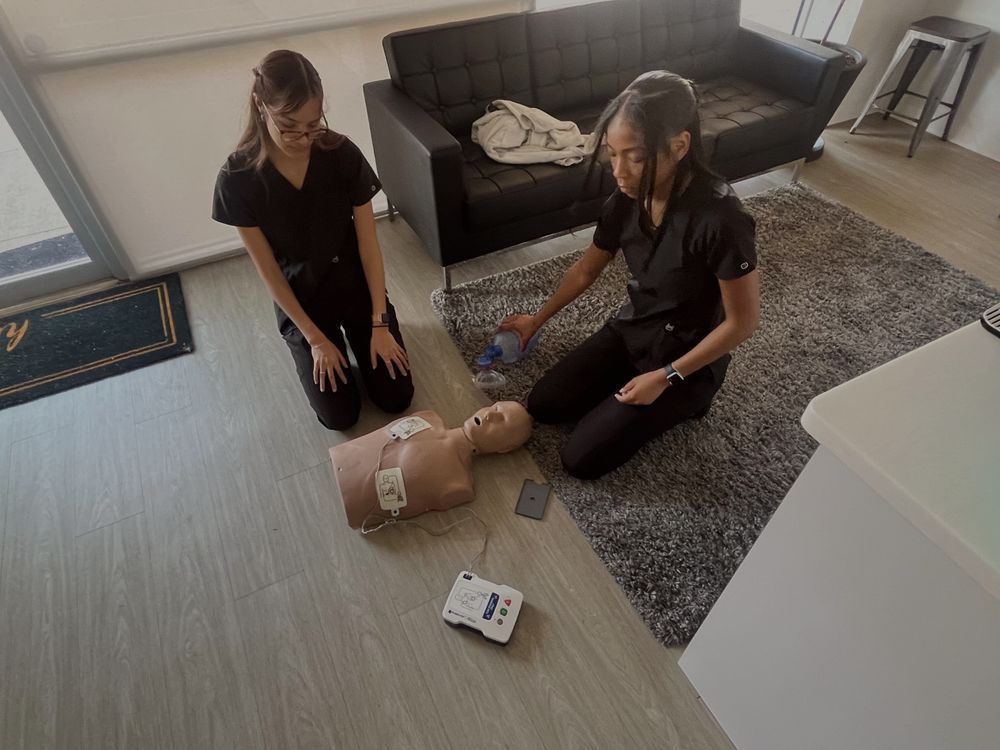
- 4 in-person labs — hands-on clinical practice with real equipment and instructor feedback
- CCMA exam included — preparation is built into the curriculum; the exam fee is covered in your tuition
- $2,990 total tuition — weekly payment plans available; graduate debt-free
- No prerequisites — beginners welcome
Ready to get started?
- See the full program: Program details
- Review tuition and payment plans: Tuition
- Talk to our team: Contact
- Apply: How to apply
You're only a few months from the medical assistant career you deserve.