What It’s Like to Work in a Community Health Center as an MA_
What It’s Like to Work in a Community Health Center as an MA?
Community health centers play a vital role in the U.S. healthcare system. They serve patients who may otherwise struggle to access medical care due to cost, insurance status, language barriers, or geographic limitations. For medical assistants (MAs), working in a community health center offers a unique professional experience—one that blends clinical skill, compassion, adaptability, and a strong sense of purpose.
Unlike private practices or specialty clinics, community health centers are often mission-driven organizations focused on improving public health outcomes. Medical assistants working in these settings are on the front lines of care, supporting diverse populations and helping bridge gaps in access. If you’re considering this career path, understanding what day-to-day work looks like can help you decide whether it’s the right fit.
Below are five key things to expect when working as a medical assistant in a community health center, from patient demographics to workflow and career impact.
A Highly Diverse Patient Population
One of the most defining features of community health centers is the diversity of the patients they serve. Medical assistants routinely work with individuals from a wide range of cultural, socioeconomic, and linguistic backgrounds. Patients may be uninsured or underinsured, experiencing housing insecurity, managing chronic illnesses, or navigating healthcare systems for the first time.
As an MA, this diversity requires strong communication skills and cultural awareness. You may assist patients who speak limited English, rely on interpreters, or come from cultures with different expectations around healthcare. Understanding how to communicate clearly, respectfully, and empathetically becomes just as important as performing clinical tasks.
This environment can be challenging, but it’s also deeply rewarding. Many medical assistants find that serving patients who truly rely on community care strengthens their sense of purpose and reinforces why they chose healthcare in the first place. Each interaction offers an opportunity to make a meaningful impact on someone’s well-being.
A Fast-Paced and Multifaceted Workday
Community health centers are often busy, high-volume environments. Medical assistants can expect full schedules, walk-in patients, and frequent changes throughout the day. Flexibility is essential, as priorities may shift quickly based on patient needs or provider availability.
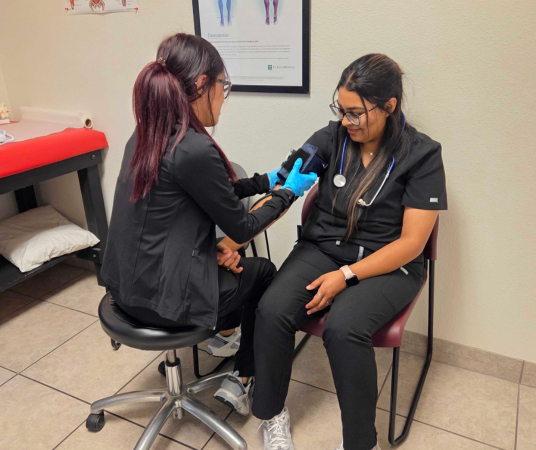
In this setting, MAs typically perform a wide range of duties. Clinical responsibilities may include taking vital signs, preparing patients for exams, administering injections, performing EKGs, and assisting with procedures. Administrative tasks such as updating electronic health records, scheduling appointments, managing referrals, and coordinating follow-up care are also common.
Because staffing levels can vary, medical assistants may be asked to step into multiple roles. This variety keeps the work engaging and allows MAs to develop a broad skill set. Over time, this experience can make medical assistants highly adaptable and confident in handling complex workflows.
A Strong Focus on Preventive and Holistic Care
Community health centers emphasize prevention and long-term wellness rather than episodic treatment alone. Medical assistants are often involved in screenings, immunization programs, patient education, and chronic disease management initiatives.
As an MA, you may help patients understand the importance of routine checkups, medication adherence, and lifestyle changes. This could include explaining screening procedures, reinforcing care instructions, or helping patients navigate follow-up appointments with specialists or social services.
Many community health centers take a holistic approach to care, addressing physical health alongside mental health, nutrition, and social determinants of health. Medical assistants frequently collaborate with nurses, social workers, behavioral health professionals, and case managers. This team-based environment allows MAs to see how different aspects of care work together to support better patient outcomes.
Meaningful Patient Relationships and Continuity of Care
Unlike some high-turnover clinical environments, community health centers often serve patients over long periods of time. Medical assistants may see the same individuals and families repeatedly, allowing them to build strong, trusting relationships.
This continuity of care enables MAs to better understand patients’ histories, challenges, and progress. Over time, medical assistants become familiar faces that patients rely on for reassurance and support. A welcoming demeanor and consistent professionalism can make a significant difference in how patients experience care.
For many medical assistants, these long-term relationships are one of the most fulfilling aspects of the job. Knowing that your presence helps patients feel safe, respected, and understood adds depth and meaning to everyday clinical tasks.
Professional Growth and Career-Building Experience
Working in a community health center provides valuable experience that can support long-term career growth. The broad scope of responsibilities helps medical assistants strengthen both clinical and administrative competencies, making them well-rounded healthcare professionals.
MAs in these settings often gain exposure to public health initiatives, population health management, and interdisciplinary collaboration. This experience can be beneficial for those who want to advance into specialized medical roles, leadership positions, or further healthcare education.
Additionally, many community health centers prioritize professional development. Opportunities for additional training, certifications, or expanded responsibilities may be available as you grow in your role. The skills developed in this environment—adaptability, empathy, communication, and clinical proficiency—are highly transferable across the healthcare field.
Is Working in a Community Health Center Right for You?
Working as a medical assistant in a community health center is not for everyone, but for those drawn to service-oriented healthcare, it can be incredibly rewarding. The pace is fast, the patient needs are complex, and the work requires emotional resilience. However, the opportunity to make a tangible difference in people’s lives often outweighs the challenges.
If you value meaningful patient connections, diverse experiences, and the chance to contribute to community wellness, this career path may align well with your goals. Proper training and hands-on experience are essential for succeeding in this environment.
Start Your Medical Assisting Career with Confidence
Start Your Medical Assisting Career with Confidence If you’re inspired by the idea of working in a community health center, choosing the right training program is a critical first step. Pulse Medical Assistant School prepares aspiring medical assistants with the skills and confidence needed to thrive in real-world healthcare settings.
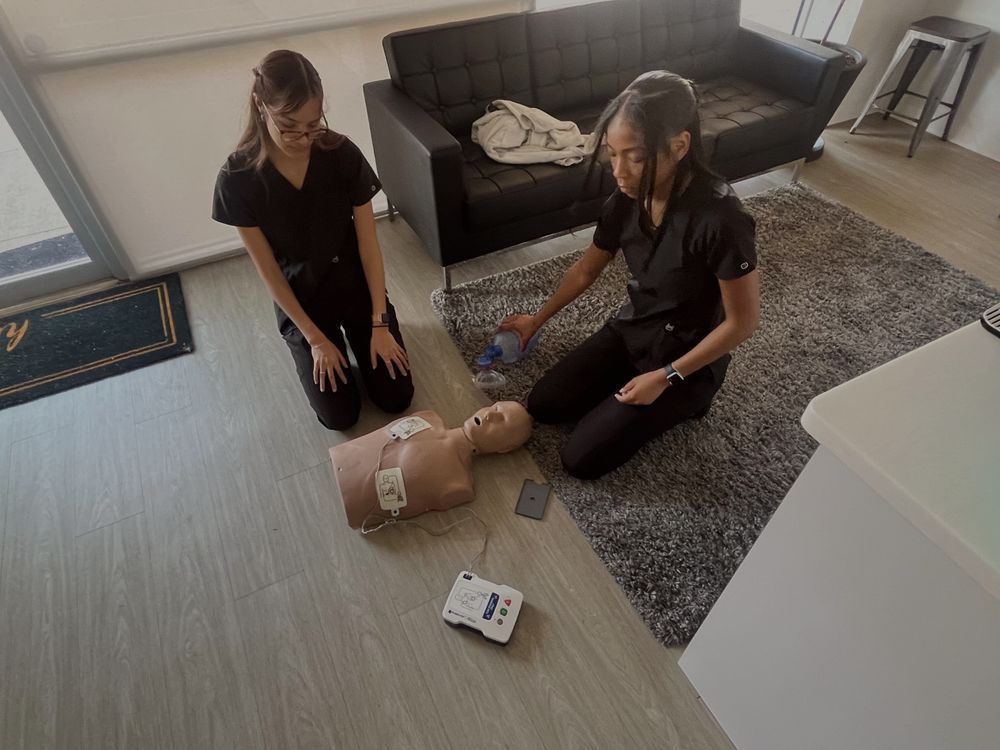
Pulse offers an online-first, 16-week medical assistant program paired with intensive, in-person labs. This hybrid approach allows students to build a strong foundation of knowledge while gaining hands-on experience that mirrors the demands of clinical environments like community health centers. Graduates leave prepared to support real patients and deliver real care from day one.
If you’re ready to begin a meaningful career as a medical assistant, Pulse Medical Assistant School can help you take the next step.
You're only a few months from the medical assistant career you deserve.