What It’s Like to Work in Addiction Treatment Clinics as an MA_
What It’s Like to Work in Addiction Treatment Clinics as an MA?
Working in addiction treatment clinics is one of the most challenging—and meaningful—paths a medical assistant (MA) can take. These environments focus not just on physical health, but on mental health, behavioral care, and long-term recovery. For MAs who want to make a real difference in patients’ lives, addiction treatment clinics offer daily opportunities to support healing, dignity, and progress.
Unlike traditional outpatient clinics, addiction treatment centers serve patients navigating substance use disorders alongside complex emotional, social, and medical needs. Medical assistants working in these settings must balance clinical responsibilities with compassion, professionalism, and strong communication skills. While the work can be emotionally demanding, many MAs find it deeply rewarding to play a hands-on role in recovery-focused care.
Below are five key things medical assistants should expect when working in addiction treatment clinics, from the types of patients they’ll serve to the skills they’ll use every day.
A Patient-Centered, Recovery-Focused Care Environment
Addiction treatment clinics operate under a recovery-first philosophy, which emphasizes long-term healing rather than short-term symptom management. As a medical assistant, you’ll work in a setting where patient progress is measured over weeks, months, or even years—not just during a single visit.
Patients in addiction treatment may be in various stages of recovery, including detox, medication-assisted treatment (MAT), outpatient counseling, or long-term maintenance programs. MAs are often among the first team members patients interact with, making your role critical in setting a supportive tone. Simple actions—such as greeting patients respectfully, explaining procedures clearly, and maintaining a calm demeanor—can significantly impact how safe and supported a patient feels.
This patient-centered approach also means avoiding judgment and stigma. Many patients in addiction treatment have experienced trauma, marginalization, or previous negative healthcare encounters. Medical assistants are trained to meet patients where they are, reinforce dignity, and help foster trust—sometimes even before trust exists.
A Blend of Clinical Duties and Behavioral Health Support
Medical assistants in addiction treatment clinics perform familiar clinical tasks, but often in a more integrated care setting. Expect to handle responsibilities such as taking vital signs, documenting patient histories, assisting with lab work, and preparing patients for provider visits. These tasks are essential for monitoring physical health throughout recovery.
In addition to traditional clinical duties, MAs frequently support behavioral health workflows. This might include assisting with intake screenings, coordinating urine drug testing, tracking medication compliance, or supporting providers during MAT visits. Attention to detail is especially important, as accurate documentation can affect treatment decisions and regulatory compliance.
Because addiction impacts both physical and mental health, MAs often work closely with counselors, social workers, and prescribing providers. This interdisciplinary approach allows medical assistants to see how medical care, therapy, and social support intersect—providing a broader understanding of patient care than in many other clinical environments.
Regular Exposure to Medication-Assisted Treatment (MAT)
One of the defining features of addiction treatment clinics is the use of medication-assisted treatment. MAT combines FDA-approved medications—such as buprenorphine, methadone, or naltrexone—with counseling and behavioral therapies to support recovery.
Medical assistants working in these clinics often help prepare patients for MAT appointments, verify medication histories, coordinate lab testing, and ensure proper documentation. While MAs do not prescribe medications, they play a critical role in supporting safe, organized treatment workflows.
This exposure gives MAs valuable experience in specialized care settings. You’ll become familiar with controlled substance protocols, regulatory guidelines, and patient monitoring processes that are less common in traditional primary care clinics. For medical assistants interested in mental health, substance use treatment, or long-term care coordination, MAT experience can be a strong career asset.
Emotionally Challenging—but Meaningful—Patient Interactions
Working in addiction treatment clinics requires emotional resilience. Patients may struggle with relapse, frustration, shame, or fear, and MAs often witness both setbacks and breakthroughs. While the work can be emotionally demanding, it also offers moments of profound impact—such as seeing a patient stabilize, return to work, or rebuild family relationships.
Medical assistants must maintain professional boundaries while remaining compassionate. This balance is essential in preventing burnout and maintaining a healthy work-life dynamic. Many clinics emphasize trauma-informed care, which teaches staff to recognize emotional triggers, avoid re-traumatization, and respond with empathy rather than judgment.
Despite the challenges, many MAs find addiction treatment work especially fulfilling. Knowing you contributed to someone’s recovery—even in small ways—can create a strong sense of purpose and professional pride.
A Strong Emphasis on Team-Based Care and Communication
Addiction treatment clinics rely heavily on collaboration. Medical assistants work alongside physicians, nurse practitioners, counselors, case managers, and administrative staff to ensure patients receive coordinated care. Clear communication between team members is essential for patient safety and continuity of treatment.
As an MA, you’ll frequently relay patient concerns, flag changes in symptoms, and help coordinate follow-up care. You may also assist with referrals to external services, such as mental health providers, housing resources, or community support programs. This team-based approach allows medical assistants to develop strong communication and coordination skills that translate well across healthcare settings.
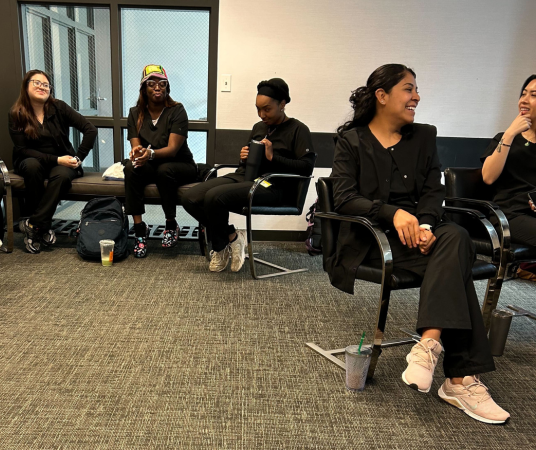
Over time, many MAs develop close working relationships with providers and staff, creating a supportive professional environment. For those who value collaboration and shared goals, addiction treatment clinics offer a uniquely connected workplace culture.
Is Addiction Treatment Right for You?
Working in addiction treatment clinics as a medical assistant is not for everyone—but for the right person, it can be one of the most impactful roles in healthcare. The work requires empathy, patience, and adaptability, but it also offers meaningful connections, specialized clinical experience, and the opportunity to support long-term recovery.
Medical assistants who thrive in these environments are often drawn to patient advocacy, mental health care, and holistic approaches to wellness. If you’re looking for a career path where your work truly matters, addiction treatment clinics may be a powerful place to grow.
Start Your Journey with Pulse Medical Assistant School
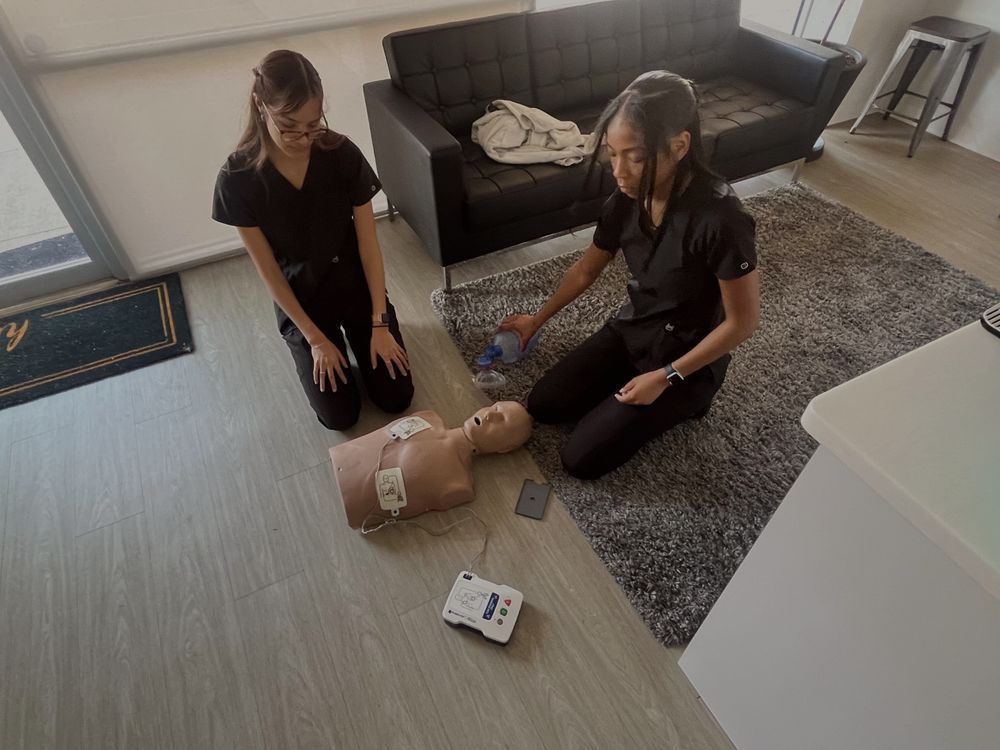
Start Your Journey with Pulse Medical Assistant School If you’re interested in working in specialized settings like addiction treatment clinics, Pulse Medical Assistant School can help you build the skills and confidence to succeed. Pulse offers an online-first, 16-week medical assistant program paired with intensive, in-person labs designed to prepare students for real-world clinical environments.
Through hands-on training, career-focused instruction, and patient-centered education, Pulse Medical Assistant School equips aspiring medical assistants to help real patients receive real care—whether in primary care clinics, mental health settings, or addiction treatment facilities.
You're only a few months from the medical assistant career you deserve.