What It’s Like to Work in Pain Management Clinics as a Medical Assistant_
What It’s Like to Work in Pain Management Clinics as a Medical Assistant?
Pain management clinics play a critical role in helping patients regain function, improve quality of life, and manage chronic or acute pain conditions. These clinics often serve individuals coping with long-term injuries, post-surgical recovery, nerve disorders, arthritis, cancer-related pain, or musculoskeletal conditions that affect daily living. For medical assistants, working in pain management offers a unique blend of clinical skill-building, patient interaction, and interdisciplinary teamwork.
Unlike fast-paced urgent care or routine primary care offices, pain management clinics tend to focus on ongoing patient relationships and long-term treatment plans. Medical assistants in these settings often work closely with physicians, nurses, physical therapists, and behavioral health professionals to support patients whose care may span months or even years. This environment requires empathy, attention to detail, and strong communication skills—making it both challenging and deeply rewarding.
Below are five key things medical assistants should expect when working in pain management clinics, from daily responsibilities to the emotional dynamics of patient care.
A Strong Focus on Chronic Care and Long-Term Patient Relationships
One of the most defining characteristics of pain management clinics is the long-term nature of patient care. Many patients return regularly for follow-up visits, medication management, injections, physical therapy coordination, or procedural care. As a medical assistant, you are likely to see the same patients repeatedly, allowing you to build meaningful relationships over time.
These ongoing interactions place medical assistants in a position of trust. Patients often share detailed updates about how pain affects their work, sleep, relationships, and mental health. Medical assistants must listen carefully, document accurately, and communicate changes to providers so treatment plans can be adjusted appropriately. This continuity of care allows MAs to develop strong interpersonal skills and a deeper understanding of patient progress.
At the same time, working with chronic pain patients requires patience and emotional resilience. Some patients may feel frustrated or discouraged if relief is slow or inconsistent. Medical assistants play an important role in maintaining a calm, supportive presence—helping patients feel heard and respected even during difficult visits.
Hands-On Clinical Tasks and Procedural Support
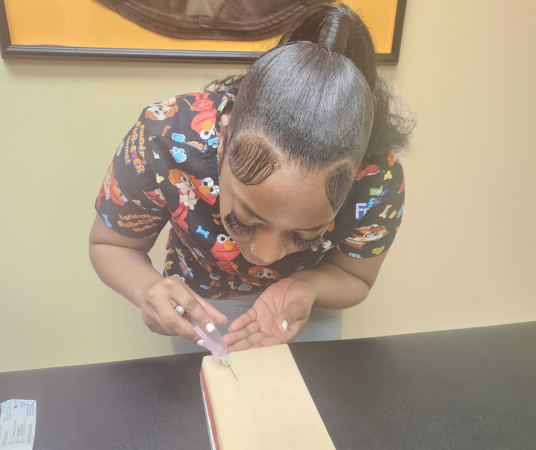
Pain management clinics often offer a wide range of diagnostic and therapeutic procedures, and medical assistants are frequently involved in preparing patients and supporting providers during these treatments. Depending on the clinic, this may include spinal injections, nerve blocks, joint injections, trigger point injections, or minimally invasive procedures guided by imaging.
Medical assistants are typically responsible for rooming patients, obtaining vital signs, reviewing medications, and preparing procedure rooms with sterile instruments and supplies. They may assist with patient positioning, monitor comfort levels, and provide post-procedure instructions. Attention to infection control, safety protocols, and accurate documentation is essential.
This environment offers valuable hands-on experience that can significantly strengthen an MA’s clinical confidence. Working closely with providers during procedures allows medical assistants to deepen their understanding of anatomy, pain pathways, and treatment approaches—skills that are highly transferable across many healthcare settings.
Detailed Documentation and Medication Management Responsibilities
Pain management clinics place a strong emphasis on documentation, especially when it comes to treatment plans and medications. Many patients rely on carefully monitored medication regimens, which may include non-opioid therapies, controlled substances, or alternative pain relief options. Medical assistants play a key role in ensuring records are accurate, complete, and compliant with clinic policies and regulatory standards.
Medical assistants often assist with medication reconciliation, prescription refill requests, urine drug screening preparation, and patient education related to medication use. They may also help document pain scales, functional assessments, and patient-reported outcomes that providers use to evaluate treatment effectiveness.
Because pain management clinics operate under strict guidelines, attention to detail is critical. Medical assistants must follow protocols closely, protect patient confidentiality, and communicate clearly with both providers and patients. These responsibilities help MAs develop strong organizational skills and a solid understanding of compliance-focused healthcare environments.
Collaboration With Multidisciplinary Care Teams
Pain management is rarely handled by a single provider. Instead, it often involves a multidisciplinary team that may include physicians, nurse practitioners, physical therapists, behavioral health specialists, and case managers. Medical assistants serve as an important link between these professionals, helping coordinate care and ensure patients move smoothly through their treatment plans.
In daily practice, this collaboration might involve scheduling follow-up appointments, coordinating referrals, communicating treatment updates, or assisting with care plans that integrate physical therapy, lifestyle changes, or mental health support. Medical assistants must be comfortable communicating with multiple departments and maintaining clear, professional interactions.
Working in a team-based environment helps medical assistants gain insight into how different specialties contribute to patient outcomes. It also builds transferable skills in communication, care coordination, and teamwork—qualities that are increasingly valued across healthcare systems.
A Role That Requires Compassion, Boundaries, and Professionalism
Perhaps the most important expectation for medical assistants in pain management clinics is the emotional complexity of the work. Patients experiencing chronic pain may feel anxious, fatigued, or emotionally vulnerable. Some may struggle with limitations that affect their independence or quality of life. Medical assistants are often the first and last point of contact during visits, making their demeanor especially impactful.
Compassion is essential, but so are clear professional boundaries. Medical assistants must remain empathetic while following clinic policies and supporting providers’ treatment decisions. This balance helps maintain trust while ensuring safe, ethical care. Strong communication skills allow MAs to explain procedures, reinforce treatment plans, and redirect concerns appropriately.
Over time, medical assistants in pain management clinics often develop a heightened sense of emotional intelligence. Learning how to support patients while maintaining professionalism is a valuable skill that can enhance both career growth and personal resilience.
Is Pain Management the Right Setting for You?
Working in a pain management clinic as a medical assistant offers a unique opportunity to combine technical skills with meaningful patient relationships. From hands-on procedural support to long-term care coordination, this specialty provides exposure to complex clinical workflows and emotionally impactful care. While the work requires patience, attention to detail, and empathy, many medical assistants find it deeply rewarding to help patients navigate their pain and improve daily functioning.
For individuals seeking a medical assisting role that goes beyond routine visits and fosters long-term patient impact, pain management clinics can be an excellent career fit.
For individuals seeking a medical assisting role that goes beyond routine visits and fosters long-term patient impact, pain management clinics can be an excellent career fit.
Start Your Career With the Right Training
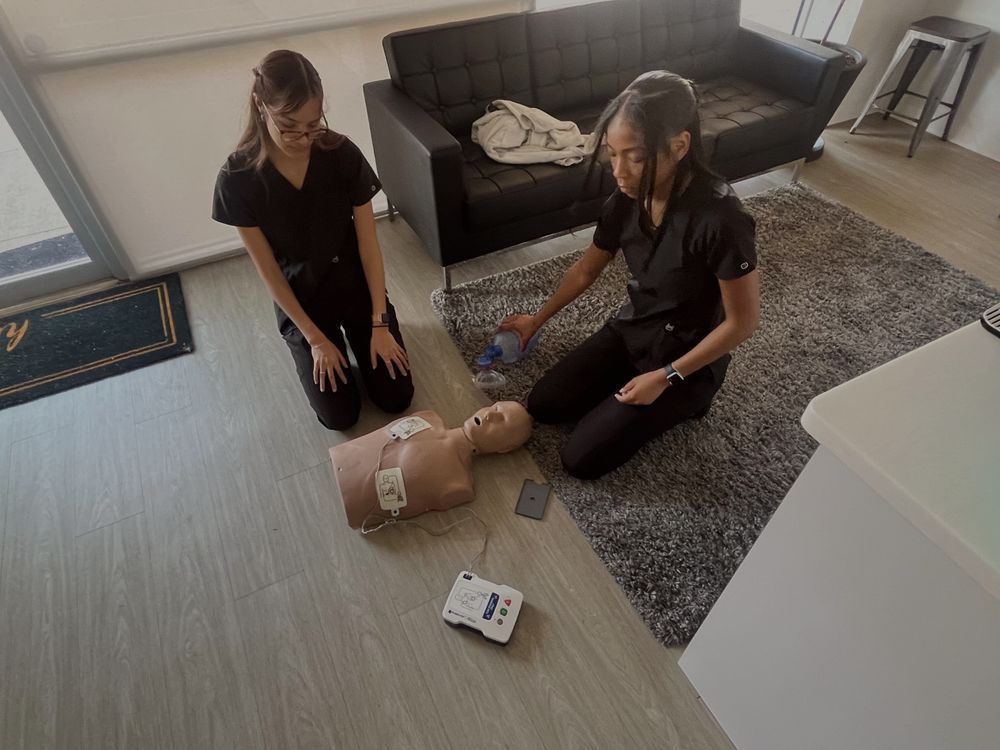
Start Your Career With the Right Training If you’re interested in working in specialized clinical environments like pain management clinics, strong foundational training is essential. Pulse Medical Assistant School offers an online-first, 16-week medical assistant program designed to prepare students for real-world healthcare settings. With intensive, in-person labs, students gain hands-on experience that builds confidence in both clinical and administrative skills.
Pulse Medical Assistant School focuses on preparing aspiring medical assistants to support real patients, work alongside healthcare teams, and deliver high-quality care from day one. If you’re ready to take the next step toward a rewarding career in medical assisting, Pulse provides the training and support to help you succeed.
You're only a few months from the medical assistant career you deserve.