What It’s Like to Work in Public Health Clinics as a Medical Assistant_
What It’s Like to Work in Public Health Clinics as a Medical Assistant?
Public health clinics play a vital role in keeping communities healthy—especially those that may not have consistent access to traditional healthcare settings. These clinics focus on prevention, education, and population-wide health initiatives, often serving diverse and underserved patient groups. For medical assistants (MAs), working in a public health clinic offers a meaningful career path that blends clinical skills with community impact.
Unlike private practices that center on individual patient visits, public health clinics are driven by broader health goals such as disease prevention, early detection, and health equity. Medical assistants in these settings support everything from immunization programs to chronic disease screenings, often working as part of interdisciplinary teams. If you’re considering this career environment, here are five key things medical assistants should expect when working in a public health clinic.
A Strong Focus on Preventive Care and Screenings
One of the most defining aspects of public health clinics is their emphasis on prevention rather than treatment alone. Medical assistants spend a significant portion of their time supporting services designed to prevent illness before it starts or catch conditions early when they’re most manageable.
In a typical public health clinic, MAs may assist with immunization programs, blood pressure checks, cholesterol screenings, diabetes testing, STI testing, and cancer screenings such as Pap smears or breast exams. These services are often offered on a large scale, meaning medical assistants must be comfortable working efficiently while maintaining accuracy and compassion.
Preventive care also involves patient education. Medical assistants frequently explain why screenings matter, how to prepare for them, and what follow-up steps might look like. This educational role helps patients feel informed and empowered, reinforcing the clinic’s mission to improve long-term community health outcomes.
Working With Diverse and Underserved Populations
Public health clinics often serve individuals who face barriers to healthcare, including uninsured patients, low-income families, immigrants, older adults, and people experiencing housing instability. As a result, medical assistants can expect to work with a wide range of cultural, linguistic, and socioeconomic backgrounds.
This diversity makes cultural sensitivity and clear communication essential skills. Medical assistants may need to adapt their approach when explaining procedures, collecting health histories, or assisting with forms and documentation. In some clinics, MAs also work alongside interpreters or use translation tools to ensure patients fully understand their care.
While this environment can be challenging, it’s also deeply rewarding. Medical assistants often build strong connections with patients who rely on public health clinics as their primary source of care. Knowing that your work helps reduce health disparities and supports vulnerable populations can bring a strong sense of purpose to the role.
A Fast-Paced, High-Volume Work Environment
Public health clinics are often busy, especially during vaccination drives, outbreak responses, or seasonal health initiatives. Medical assistants should expect a faster pace and higher patient volume than in many private practices.
On any given day, an MA might room patients, take vital signs, prepare exam rooms, assist with procedures, administer vaccines (where permitted), and handle documentation—all while keeping the clinic running smoothly. Time management and organization are critical, as clinics aim to serve as many patients as possible without compromising care quality.
Despite the pace, teamwork plays a major role in managing workflow. Medical assistants collaborate closely with nurses, physicians, public health educators, and administrative staff. Clear communication and flexibility help ensure patients move efficiently through the clinic while still receiving attentive care.
Expanded Administrative and Data Responsibilities
In addition to clinical duties, medical assistants in public health clinics often take on more administrative and data-related tasks than those in other settings. Public health relies heavily on accurate data to track trends, identify outbreaks, and measure program effectiveness.
Medical assistants may be responsible for documenting patient information in electronic health records, reporting immunization data to state registries, and ensuring compliance with public health reporting requirements. Accuracy is especially important, as this data can influence funding decisions, policy development, and community health strategies.
MAs may also assist with scheduling community outreach events, coordinating follow-up care, or helping patients connect with social services. These responsibilities highlight the broader scope of public health work, where medical assistants contribute not only to individual patient visits but to population-level health initiatives.
A Mission-Driven, Community-Oriented Culture
Perhaps the most distinctive feature of working in a public health clinic is the mission-driven culture. These clinics are guided by the goal of improving health outcomes for entire communities, not just individual patients. Medical assistants who thrive in this environment are often motivated by service, advocacy, and public impact.
Many public health clinics emphasize collaboration, continuing education, and community engagement. Medical assistants may participate in health fairs, school-based programs, mobile clinics, or outreach initiatives designed to reach people where they live and work. This variety keeps the role dynamic and helps MAs develop a broader understanding of healthcare beyond the exam room.
While public health clinics may face funding limitations or resource constraints, the shared sense of purpose among staff often creates a supportive and values-driven workplace. For medical assistants who want their daily work to align with meaningful social impact, public health can be an especially fulfilling career path.
Is a Career in Public Health Clinics Right for You?
Is a Career in Public Health Clinics Right for You? Working as a medical assistant in a public health clinic isn’t just about performing clinical tasks—it’s about contributing to healthier communities. From preventive care and patient education to data reporting and outreach efforts, MAs play a critical role in advancing public health goals.
This environment is ideal for individuals who are adaptable, compassionate, and motivated by service. If you enjoy working with diverse populations, managing a fast-paced workflow, and being part of a mission-driven team, public health clinics may offer the career satisfaction you’re looking for.
Start Your Medical Assisting Career With Confidence
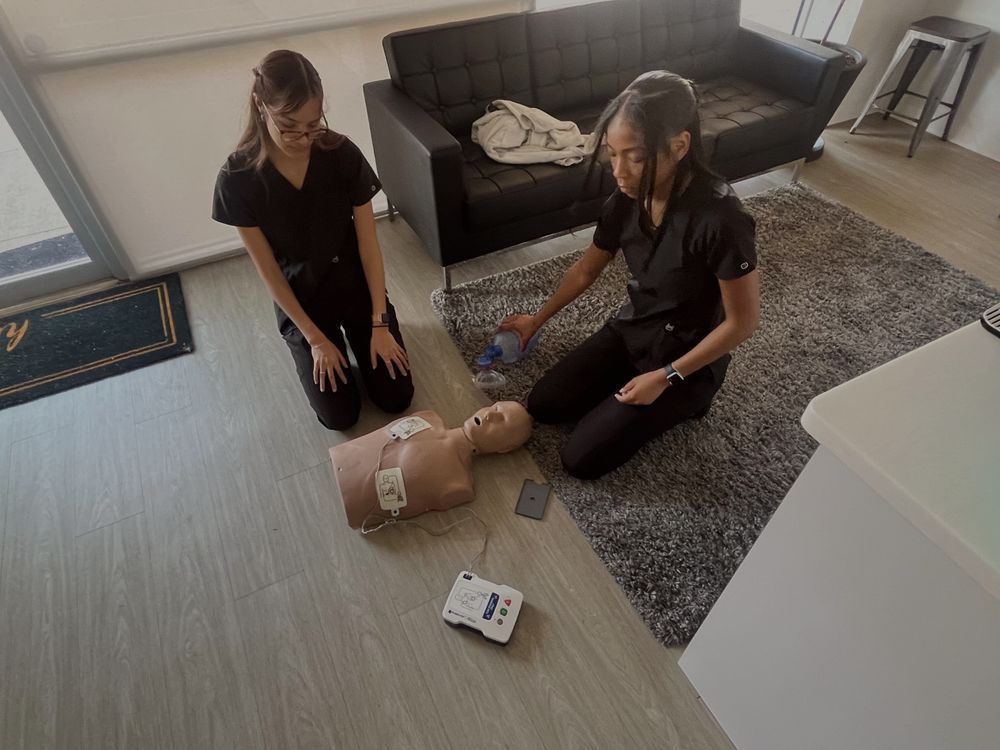
Start Your Medical Assisting Career With Confidence If you’re inspired by the impact medical assistants make in public health clinics, the right training can help you get there. Pulse Medical Assistant School offers an online-first, 16-week medical assistant program designed to fit modern learners’ lives while delivering real-world skills. With intensive, in-person labs, students gain hands-on experience that builds confidence and competence—so they’re ready to help real patients receive real care from day one.
Whether your goal is to work in public health, primary care, or specialty clinics, Pulse Medical Assistant School provides the focused training and practical preparation needed to launch a meaningful career in medical assisting.
You're only a few months from the medical assistant career you deserve.