What Jobs Can You Get with a Medical Assistant Certificate_
What Jobs Can You Get with a Medical Assistant Certificate?
Starting a career in healthcare doesn’t always require years of schooling. For many students, earning a medical assistant certificate is the fastest and most affordable pathway into a growing field with opportunities to build experience, develop clinical skills, and help patients daily. A certificate signals to employers that you’ve completed hands-on training and are ready to contribute in fast-paced medical environments beginning on day one.
With demand for skilled healthcare workers continuing to rise, a medical assistant certification opens the door to a wide variety of entry-level roles across hospitals, clinics, specialty practices, and telehealth organizations. Whether you want to work directly with patients, support administrative operations, or gain a foothold that can lead to advanced roles in the future, this credential gives you options.
Below, explore five of the most common and rewarding jobs you can get with a medical assistant certificate, starting with the job that most students pursue first: becoming a medical assistant.
Medical Assistant
A certified medical assistant (MA) is one of the most versatile and essential roles in modern healthcare. Medical assistants work alongside physicians, nurses, and specialists to ensure every patient receives safe, efficient, and compassionate care. With both clinical and administrative responsibilities, this job gives you exposure to nearly every part of a medical practice.
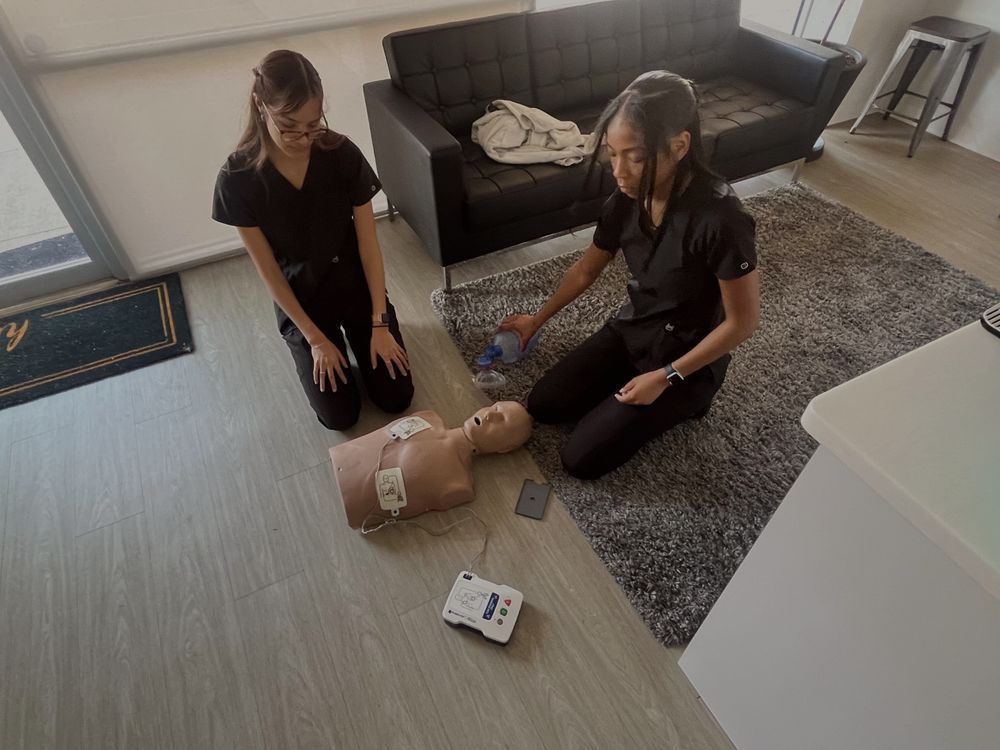
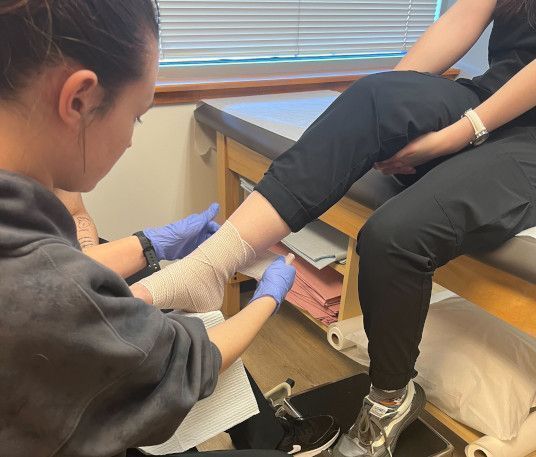
On the clinical side, MAs often take patient vitals, prepare exam rooms, sterilize instruments, assist with minor procedures, administer injections, and perform point-of-care testing. These skills make medical assistants key contributors to patient comfort and clinical accuracy. Medical assistants also routinely gather medical histories, collect lab samples, and help providers keep visits flowing smoothly.
Administratively, medical assistants may schedule appointments, manage patient records, communicate with insurance companies, and help coordinate referrals. Because they operate in both patient-facing and behind-the-scenes roles, certified medical assistants are highly valued for their adaptability and efficiency.
For many learners, this role is the perfect foundation for long-term career growth. Medical assistants often use their experience to pursue other roles such as nursing, medical coding, radiology, or healthcare administration. With a certificate, you’re qualified to enter the field quickly and begin building the essential skills that healthcare employers consistently seek.
Clinical Support Specialist
A clinical support specialist focuses on patient care tasks that keep clinics, urgent care centers, and specialty practices running smoothly. This job is ideal for individuals who enjoy hands-on work and want to strengthen their clinical expertise without pursuing a more advanced license right away.
Clinical support specialists may assist with procedures, prepare instruments, perform routine screenings, and help patients understand care instructions. Depending on the facility, they might also support diagnostic testing, update electronic health records, or serve as a liaison between providers and patients.
Many organizations prefer candidates who hold a medical assistant certificate because it shows they understand clinical workflows, patient safety standards, and essential healthcare procedures. The role often blends direct patient interaction with technical responsibilities, making it a strong stepping stone toward roles like patient care technician, surgical tech, or licensed practical nurse.
In environments such as outpatient surgery centers or cardiology practices, clinical support specialists contribute significantly to quality care and patient satisfaction. The certificate-backed training ensures you have the baseline knowledge to grow professionally while providing valuable support to busy medical teams.
Medical Office Administrator
Not every learner pursues a clinical-heavy role after earning a medical assistant certificate. Some prefer the operational or customer service side of healthcare—where organization, communication, and problem-solving are the most important skills. A medical office administrator builds the backbone of a practice’s daily workflow, ensuring patients are checked in efficiently and providers have what they need for each appointment.
Medical office administrators handle scheduling, insurance verification, medical billing tasks, data entry, patient communications, and front-desk operations. Because medical assistants learn medical terminology, electronic health record navigation, and patient intake procedures during their training, they are well-prepared for the fast-paced environment of a healthcare office.
This role is appealing for students who enjoy multitasking, interacting with patients, and supporting a professional team. It also provides exposure to leadership opportunities within healthcare administration, giving you a pathway to roles such as office manager, practice coordinator, or medical billing specialist. Many employers specifically seek candidates with MA training because they understand both the administrative and clinical sides of healthcare.
If you prefer a role that prioritizes organization and patient interaction without direct clinical procedures, medical office administration is a strong match for your certification.
Telehealth Support Specialist
Telehealth continues to expand across the country, creating entirely new roles for healthcare professionals trained in patient communication and basic clinical procedures. A telehealth support specialist helps providers deliver care remotely, combining technical troubleshooting with administrative and clinical workflow support.
In this role, you may help patients prepare for virtual appointments, collect preliminary information, document medical histories, or walk individuals through digital health platforms. Medical assistants are excellent candidates because they already understand vital signs, symptoms, common medical terminology, and provider expectations—all essential in a virtual environment.
Telehealth support specialists often work from home or in hybrid settings, making this role appealing for individuals seeking flexibility. Duties might include managing virtual waiting rooms, supporting remote monitoring programs, assisting clinicians during digital visits, and guiding patients through telehealth equipment setup.
With a medical assistant certificate, you bring credibility and foundational healthcare knowledge to a growing sector that values adaptability and strong communication skills. As telehealth becomes more integrated into primary care and specialty services, certified professionals will be increasingly needed to streamline remote patient interactions.
Patient Care Coordinator
A patient care coordinator helps patients navigate their healthcare journey by removing barriers, organizing resources, and ensuring appointments and follow-up care run smoothly. This role is ideal for individuals who want to directly support patients without performing clinical procedures.
Patient care coordinators often work in hospitals, specialty clinics, rehabilitation centers, and large healthcare networks. Their responsibilities may include scheduling tests, coordinating referrals, tracking treatment plans, answering questions, and educating patients about next steps. They serve as a bridge between patients and providers, helping people feel supported and informed during stressful or complex medical situations.
Employers frequently look for candidates with a medical assistant certificate because it confirms a foundational understanding of medical processes, terminology, and patient needs. Your training helps you communicate more effectively with both patients and clinical teams, ensuring a seamless continuum of care.
This role is especially rewarding for learners who enjoy problem-solving and patient interaction. It can also lead to future opportunities in case management, social services coordination, or healthcare administration.
Launch Your Career with a Medical Assistant Certificate
Launch Your Career with a Medical Assistant Certificate Earning a medical assistant certification creates opportunities across multiple career paths—clinical, administrative, virtual, and patient-coordination centered. Whether you want to engage directly in hands-on care or support patients through administrative and communication responsibilities, this credential is a powerful way to enter the healthcare field with confidence.
If you’re ready to take the next step in your career, Pulse Medical Assistant School offers an accessible, accelerated pathway into healthcare. Pulse is an online-first, 16-week medical assistant program with intensive, in-person labs that give aspiring medical assistants the confidence to help real patients receive real care. It’s designed for learners who want flexibility, high-quality training, and a clear path into a rewarding profession.
Let Pulse give you the skills, experience, and support you need to start your healthcare journey.
You're only a few months from the medical assistant career you deserve.