what Makes Medical Assisting a Stable Career Choice in Healthcare
What Makes Medical Assisting a Stable Career Choice in Healthcare?
In today’s changing job market, few professions offer the security, flexibility, and personal fulfillment found in medical assisting. As healthcare continues to expand and evolve, the need for skilled, compassionate medical assistants remains strong across the United States.
Whether you’re just starting your career or looking for a reliable, meaningful change, medical assisting stands out as one of the best choices in healthcare.
The Growing Demand for Medical Assistants
Healthcare is one of the fastest-growing industries in the country, and medical assistants are at the center of it. According to the U.S. Bureau of Labor Statistics, employment for medical assistants is projected to grow much faster than average over the next decade — adding thousands of new jobs every year.
This growth is driven by several key factors:
An aging population that needs consistent medical care
Increased focus on preventive health and regular screenings
Expansion of outpatient and specialty clinics across the nation
Ongoing demand for administrative and clinical support in busy healthcare environments
Why Medical Assisting Offers Long-Term Stability
Stability in a career means knowing your skills will remain valuable — and that’s exactly what makes medical assisting so reliable. The combination of technical ability and interpersonal skill ensures that medical assistants will always have a place in healthcare.
- Consistent Job Opportunities Across the Country
Unlike industries that fluctuate with economic trends, healthcare is a necessity. Every city, town, and community needs healthcare professionals — which means MAs can find work almost anywhere.
From family practices to urgent care centers, hospitals to specialty clinics, medical assistants are in demand nationwide. Graduates can relocate without worrying about starting from scratch.
- A Role That Adapts with Healthcare Advancements
As healthcare technology evolves, the medical assistant role evolves with it. MAs are trained to use electronic health records (EHRs), assist with telemedicine appointments, and manage new medical equipment.
- Flexibility in Work Environments
Medical assistants aren’t limited to one type of setting. Their diverse skill set allows them to work in:
Primary care offices
Specialty clinics (like pediatrics, dermatology, or cardiology)
Hospitals and urgent care centers
Public health organizations
Assisted living and rehabilitation facilities
This flexibility not only provides stability but also allows professionals to explore different areas of medicine throughout their careers.
- Balanced Work-Life Schedules
Many medical assistants enjoy predictable schedules compared to other healthcare professionals. While hospitals and urgent care centers may require shifts, most clinics operate during regular business hours, offering a healthy balance between work and personal life.
- Fast Entry and Affordable Training
Unlike many healthcare roles that require years of study, medical assistant programs are typically completed in under a year. This means students can start working — and earning — much faster.
- Career Growth and Advancement Opportunities
Medical assisting isn’t just a job — it’s a foundation for long-term growth. Many MAs go on to pursue specialized certifications or continue into other healthcare careers, such as:
Nursing (LPN or RN)
Phlebotomy or EKG technician
Medical office management
Billing and coding
Health administration
Each step builds on the experience gained as a medical assistant, allowing professionals to advance at their own pace.
- A Career That Makes a Difference Every Day
Beyond financial and job security, one of the greatest forms of stability comes from personal fulfillment. Medical assistants interact with patients daily — offering comfort, care, and reassurance. Their work directly impacts people’s well-being and strengthens the trust between communities and healthcare providers.
The Economic and Emotional Security of Medical Assisting
Healthcare professionals experience higher job satisfaction than most other fields. The reason? Their work matters. Medical assistants often describe their careers as both financially reliable and emotionally meaningful.
Economic Stability
Competitive wages and strong demand keep pay steady
Consistent job openings in nearly every region
Opportunities for advancement without leaving the field
Emotional Stability
Daily patient interaction builds purpose and pride
Teamwork creates a sense of belonging
Helping others fosters resilience and long-term satisfaction
How Pulse Medical Assistant School Builds Lasting Career Readiness
Students receive a well-rounded education that equips them for the realities of modern healthcare. The program combines technical training, interpersonal development, and professional preparation — all aimed at long-term employability.
Key elements include:
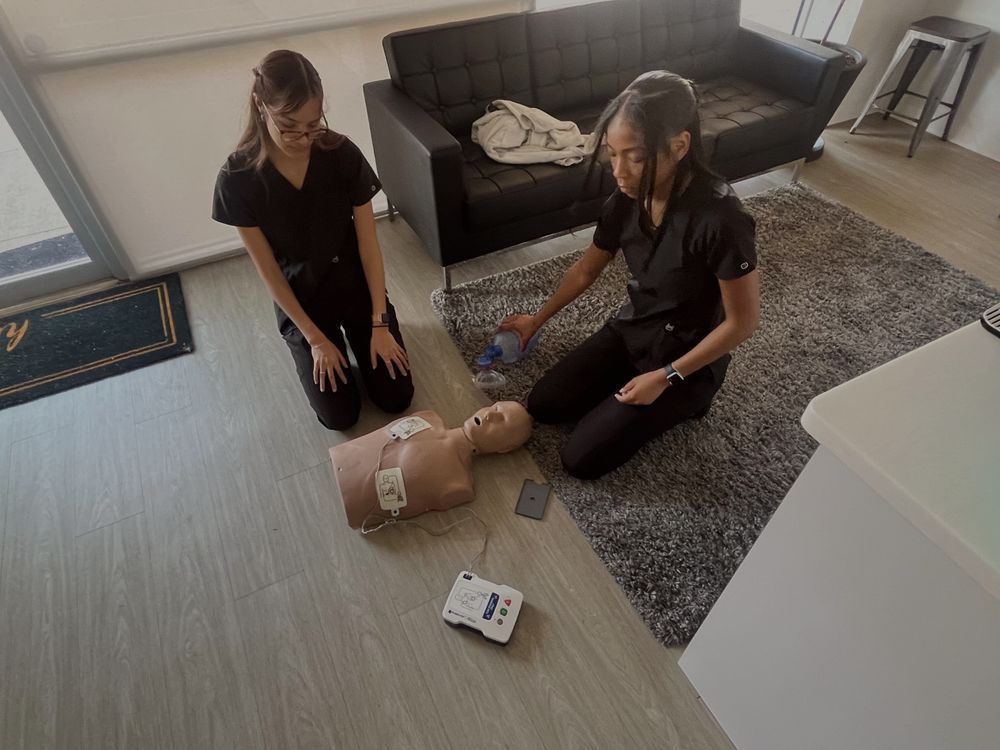
Hands-on labs that replicate real medical environments
Externships in local healthcare facilities to gain experience
Career coaching and job placement support
Emphasis on communication and professionalism for lasting success
Graduates leave the program ready to join the workforce confidently, with both the clinical skills and human touch employers look for.
FAQs About Career Stability in Medical Assisting
Is medical assisting a good long-term career?
Yes. Medical assisting offers steady job growth, nationwide demand, and numerous opportunities for advancement. Many professionals stay in the field for decades or transition into specialized roles.
Can medical assistants find work easily after graduation?
In most regions, yes. Medical assistants are in high demand across clinics, hospitals, and specialty practices, making it one of the most accessible healthcare careers.
Do medical assistants earn a stable income?
While pay varies by location, medical assistants typically earn consistent wages with room for increases as they gain experience or certification.
How can I keep my medical assisting career stable over time?
Stay updated on new technologies, maintain your certifications, and continue learning. Flexibility and professionalism help ensure lasting employability.
You're only a few months from the medical assistant career you deserve.