What Makes Medical Assisting One of the Fastest-Growing Careers_
What Makes Medical Assisting One of the Fastest-Growing Careers?
Medical assisting has quickly become one of the most attractive paths for people who want to enter the healthcare field without spending years in school. As hospitals, clinics, and private practices expand their patient services, trained medical assistants are becoming essential for handling both clinical and administrative needs. This has led to strong hiring demand, competitive job stability, and a career that offers clear opportunities for advancement.
Whether someone is transitioning careers, entering the workforce for the first time, or exploring a hands-on role in healthcare, medical assisting stands out for its flexibility, growth potential, and nationwide demand. Below are six reasons why medical assisting has become one of the fastest-growing careers in the country—and why thousands of students are choosing this path every year.
Growing Patient Populations and Increased Demand for Healthcare Services
One of the biggest drivers of medical assisting job growth is the continued rise in patient needs. As the U.S. population ages—especially with millions of Baby Boomers reaching retirement age—healthcare providers require more hands to manage appointments, chronic conditions, and routine preventive care. Medical assistants play a critical role in supporting physicians by preparing patients, taking vitals, updating medical histories, and ensuring providers can spend more time offering direct care.
Additionally, more people are gaining access to healthcare services through expanded insurance coverage and employer-sponsored plans. This increase in covered patients naturally leads to more appointments, more procedures, and more demand for trained professionals who can keep clinics running efficiently. Medical assistants fill this gap across all types of facilities, from primary care to specialty clinics.
Overall, the combination of an aging population, increasing chronic conditions, and greater access to care means demand is consistently rising—and shows no signs of slowing down.
Medical Assistants Support Both Clinical and Administrative Needs
Another reason the profession is growing rapidly is the versatility of the medical assistant role. Unlike positions that focus on only clinical or only administrative tasks, medical assistants are trained to do both. This dual skill set makes them indispensable to healthcare employers who need well-rounded team members.
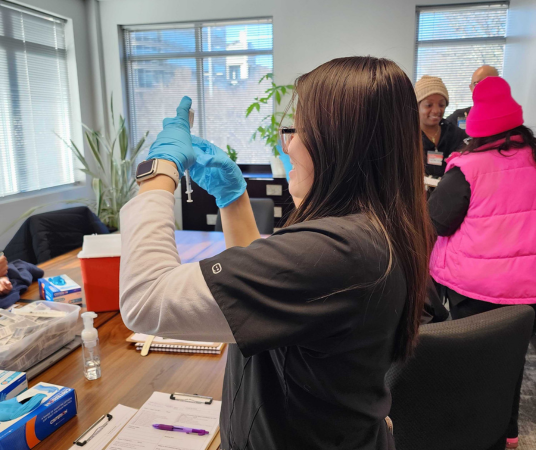
On the clinical side, medical assistants help with tasks such as rooming patients, performing EKGs, administering injections (when allowed by state law), sterilizing instruments, and assisting with minor procedures. These responsibilities lighten the load for nurses and physicians and help appointments move more quickly.
On the administrative side, they manage scheduling, patient charts, insurance verification, and electronic health record (EHR) updates. This crossover of skills is extremely valuable, especially as clinics aim to streamline operations and reduce patient wait times.
Because medical assistants can adapt to multiple needs in a fast-paced environment, employers often hire them before other entry-level roles. Their broad training makes them a perfect fit for modern healthcare teams.
A Short Training Timeline Makes It Easy to Enter the Workforce Quickly
Many high-growth healthcare roles require years of schooling, clinical rotations, and certification exams. Medical assisting is different. Students can train, practice hands-on skills, and be job-ready in a matter of months—rather than years.
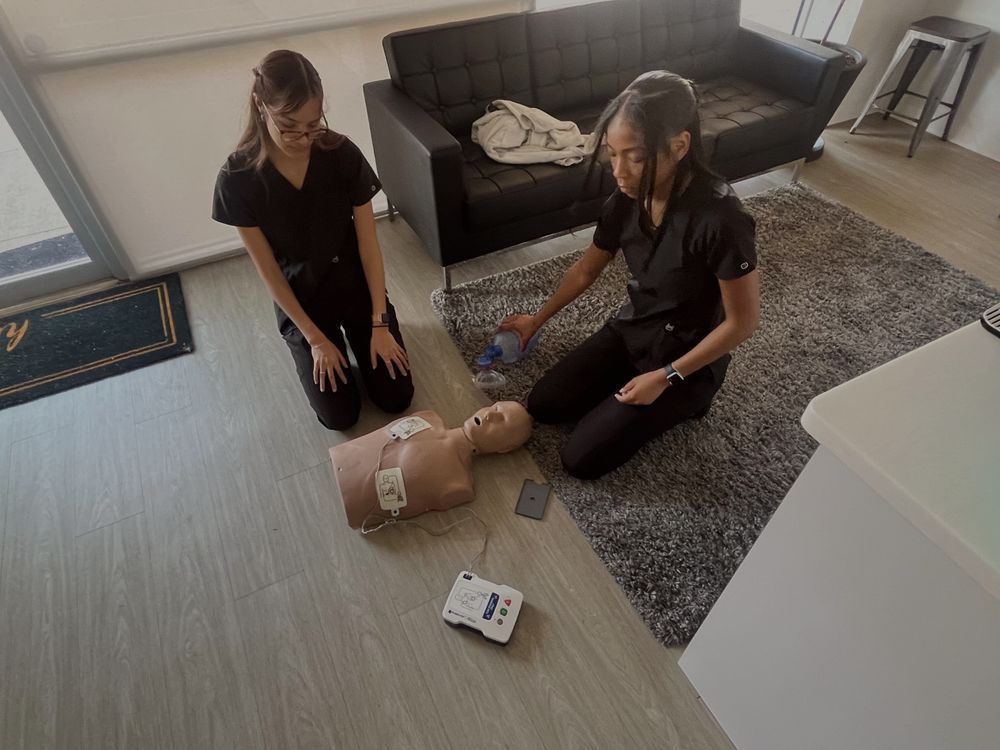
Accelerated medical assistant programs allow learners to complete online coursework, attend in-person clinical labs, and start working soon after graduation. This short timeline has fueled the profession’s popularity, especially for career changers or those who need to join the workforce quickly.
Even better, the skills learned in training can lead to a competitive entry-level salary and clear opportunities for advancement. Many students choose medical assisting as a stepping stone into fields like nursing, medical administration, phlebotomy, or even physician assistant studies.
The ability to gain skills fast, start working sooner, and build a long-term healthcare career makes medical assisting especially appealing in today’s job market.
Demand Is Strong Across All Types of Healthcare Settings
Medical assistants are not limited to one type of workplace—another major reason the career continues to grow rapidly. Because their training covers both clinical and administrative skills, they can work in a wide range of healthcare environments.
Common settings include:
Common settings include:
Primary care clinics
Urgent care centers
Specialty practices (cardiology, dermatology, orthopedics, pediatrics, OB-GYN, and more)
Outpatient surgical centers
Hospitals
Community health centers
Telehealth organizations
Long-term care or rehabilitation facilities
Each of these environments relies on medical assistants for essential patient support. As more clinics and outpatient centers open to meet patient demand, the number of available MA positions grows as well.
This level of job flexibility introduces more opportunities for new graduates. Many medical assistants enjoy choosing a workplace that fits their personality and interests, whether they prefer fast-paced urgent care or predictable daily routines in a family practice. More settings mean more stable, accessible employment—and stronger growth overall.
Healthcare Employers Are Expanding Their Teams to Improve Efficiency
As healthcare organizations look for ways to increase efficiency, reduce patient wait times, and streamline workflows, medical assistants have become increasingly valuable. They help balance responsibilities across the care team, allowing physicians and nurses to focus more on direct patient care.
MAs take on tasks such as:
Updating electronic medical records
Preparing exam rooms
Preparing exam rooms Taking vital signs
Managing patient communication
Coordinating follow-up care
Supporting insurance verification and billing
Because they make healthcare teams more efficient—and help clinics see more patients—employers often prioritize hiring medical assistants. As practices increase patient capacity, they need more trained professionals who can handle both the front and back ends of care delivery.
The push toward efficiency in modern healthcare has directly boosted the demand for medical assistants, making it one of the most essential roles in today’s clinics.
Clear Advancement Paths Attract Students to the Field
Many people pursue medical assisting because it offers a clear, achievable entry point into healthcare—but also provides plenty of room for growth. This combination makes the field especially appealing to ambitious learners who want to build long-term careers.
Medical assistants gain experience in clinical procedures, medical terminology, patient communication, and healthcare operations. These skills translate directly into advancement opportunities such as:
Lead medical assistant
Clinical team supervisor
Patient care coordinator
Practice manager
Medical billing and coding specialist
Phlebotomist
Licensed practical nurse (LPN)
Registered nurse (RN)
Physician assistant (PA)
A strong foundation in medical assisting sets students up for success in future education and certification programs. Many healthcare professionals—including nurses and physician assistants—began their careers as MAs.
This upward mobility makes the career appealing to individuals who want a fast start but also want to grow into higher-level roles. As more students choose this path, the overall size and demand of the profession continue to expand.
Start Your Medical Assisting Journey With Confidence
Start Your Medical Assisting Journey With Confidence Medical assisting is growing quickly for many reasons: rising patient needs, versatile job responsibilities, short and accessible training programs, multi-setting opportunities, clinic efficiency improvements, and strong advancement paths. Together, these factors have made medical assisting one of the most stable and opportunity-rich careers in modern healthcare.
If you’re ready to start a hands-on healthcare career that offers flexibility, job security, and meaningful patient impact, accelerated training is the best place to begin.
If you’re ready to start a hands-on healthcare career that offers flexibility, job security, and meaningful patient impact, accelerated training is the best place to begin. Pulse Medical Assistant School offers an online-first, 16-week medical assistant program with intensive, in-person labs that prepare you to help real patients receive real care. With flexible coursework, hands-on training, and career-focused instruction, Pulse helps students enter the workforce quickly and confidently.
If you’re ready to join one of the fastest-growing careers in healthcare, Pulse can help you take the first step.
You're only a few months from the medical assistant career you deserve.