What Medical Assistants Should Know About Burnout Prevention and Self-Care
What Medical Assistants Should Know About Burnout Prevention and Self-Care
Working as a medical assistant is deeply meaningful—but it can also be emotionally and physically demanding. Medical assistants are often the first point of contact for patients and the steady presence that keeps clinical environments running smoothly. From managing patient intake and assisting with procedures to handling documentation and supporting providers, MAs play a critical role in patient care every single day.
Because of this constant responsibility, burnout is a very real risk in medical assisting. Long hours, emotional labor, high patient volumes, and limited recovery time can slowly take a toll if self-care and burnout prevention aren’t prioritized early. Understanding how burnout develops—and how to actively prevent it—is essential for building a long, healthy, and fulfilling career as a medical assistant.
Below are five important things every medical assistant should know about burnout prevention and self-care, along with practical strategies that can be applied throughout your career.
Burnout Is Common in Healthcare—and It’s Not a Personal Failure
One of the most important things medical assistants should understand is that burnout is widespread across healthcare settings. Feeling emotionally drained, mentally fatigued, or physically exhausted doesn’t mean you’re bad at your job or not cut out for the profession. It often means you’ve been giving consistently without enough recovery time.
Burnout can show up in many ways: chronic fatigue, irritability, decreased empathy, difficulty concentrating, or feeling detached from patients. Some MAs may also notice physical symptoms like headaches, muscle tension, sleep disruption, or frequent illness. These signs are signals—not weaknesses—and recognizing them early is a key step in prevention.
Healthcare culture sometimes normalizes pushing through exhaustion, but sustainable careers require a different mindset. Understanding that burnout is a systemic issue helps medical assistants release unnecessary guilt and take proactive steps to protect their well-being.
Emotional Labor Is Real—and It Requires Intentional Recovery
Medical assistants don’t just perform clinical tasks; they also manage emotions—both their patients’ and their own. Supporting anxious patients, assisting individuals facing serious diagnoses, de-escalating frustration, and maintaining professionalism under pressure all require emotional labor.
Over time, emotional labor can quietly drain energy if it isn’t acknowledged and balanced with recovery. Many medical assistants don’t realize how much emotional processing they’re doing until they feel depleted or numb. That’s why intentional recovery practices are essential, not optional.
Simple strategies like taking a few quiet minutes between patients, journaling after shifts, or mentally “closing” the workday can help MAs reset emotionally. Outside of work, engaging in activities that feel grounding—exercise, time outdoors, creative hobbies, or meaningful social connections—can restore emotional balance and resilience.
Boundaries Protect Both You and Your Patients
Setting boundaries is a critical skill for burnout prevention in medical assisting. Without clear boundaries, it’s easy to overextend—skipping breaks, taking on extra tasks without support, or emotionally carrying patients’ stress home after shifts.
Professional boundaries don’t mean caring less; they mean caring sustainably. Medical assistants who establish healthy limits are better able to stay focused, compassionate, and effective during patient interactions. This includes honoring scheduled breaks, speaking up when workloads become unmanageable, and understanding when to ask for help.
Boundaries also apply outside the clinic. Avoiding constant work-related communication during off-hours, limiting overtime when possible, and giving yourself permission to rest are all essential self-care practices. Over time, these boundaries help prevent chronic stress from turning into long-term burnout.
Physical Self-Care Is a Career Skill, Not a Luxury
Medical assisting is physically demanding work. Standing for long periods, assisting with patient mobility, repetitive movements, and fast-paced workflows can strain the body if physical self-care is ignored. Many MAs push through discomfort early in their careers, only to face chronic pain or fatigue later on.
Prioritizing physical self-care helps medical assistants maintain energy and prevent injury. This includes proper body mechanics, stretching before or after shifts, staying hydrated, and fueling the body with balanced nutrition. Sleep is especially critical—consistent rest improves focus, emotional regulation, and immune health.
Preventive physical care also means paying attention to early warning signs. Addressing minor aches, stress-related tension, or fatigue early can prevent more serious issues down the road. Treating your body as a long-term professional asset is a powerful form of self-respect and burnout prevention.
Training and Support Build Confidence—and Reduce Burnout Risk
Burnout often develops faster when medical assistants feel unprepared, unsupported, or overwhelmed by responsibilities they weren’t trained to handle. Strong foundational training builds confidence, competence, and resilience—three key factors that protect against burnout.
Medical assistants who understand workflows, patient communication, and clinical expectations are less likely to feel constant anxiety or self-doubt on the job. Confidence reduces emotional strain and allows MAs to navigate challenges with clarity rather than fear. Ongoing learning, mentorship, and skill-building further reinforce this sense of control.
Supportive environments also matter. Working in settings that value teamwork, encourage communication, and recognize contributions helps medical assistants feel seen and appreciated. While no job is stress-free, preparation and support make stress manageable—and prevent it from becoming overwhelming.
Building a Sustainable Career in Medical Assisting
Building a Sustainable Career in Medical Assisting Burnout prevention and self-care aren’t one-time solutions; they’re ongoing practices that evolve throughout your career. By recognizing burnout early, honoring emotional and physical needs, setting boundaries, and seeking strong training and support, medical assistants can build careers that are both impactful and sustainable.
Healthcare needs compassionate, energized professionals—and that includes caring for yourself just as intentionally as you care for patients. When medical assistants prioritize well-being, everyone benefits: providers, clinics, and most importantly, patients.
Start Your Medical Assisting Career with Confidence
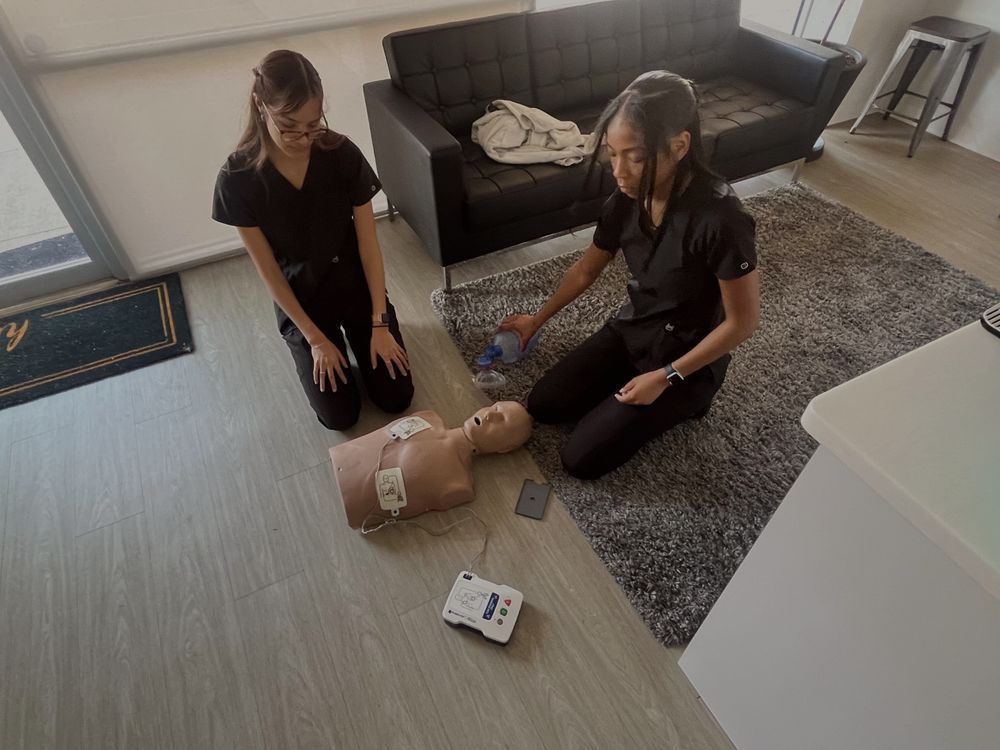
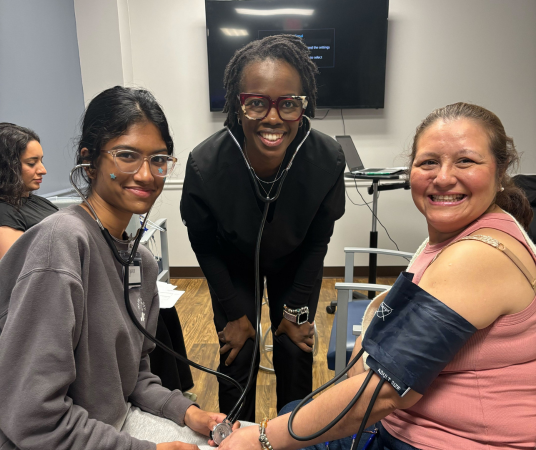
Start Your Medical Assisting Career with Confidence If you’re considering a career in medical assisting—or looking for training that prepares you for the realities of the role—Pulse Medical Assistant School offers an education designed to support long-term success. Pulse is an online-first, 16-week medical assistant program that combines flexible coursework with intensive, in-person labs to build real-world confidence.
Through hands-on training and career-focused preparation, Pulse Medical Assistant School helps aspiring medical assistants develop the skills, resilience, and readiness needed to help real patients receive real care—while building a sustainable and rewarding career in healthcare.
You're only a few months from the medical assistant career you deserve.