What Medical Assistants Should Know About Social Determinants of Health

What Medical Assistants Should Know About Social Determinants of Health
Healthcare outcomes are shaped by far more than diagnoses, medications, or clinical procedures. Where a patient lives, works, learns, and accesses resources plays a significant role in their overall health and well-being. These non-medical influences—known as social determinants of health (SDOH)—affect everything from chronic disease management to mental health outcomes and preventive care compliance.
Medical assistants are often the first and most consistent point of contact for patients navigating the healthcare system. Because of this, they are uniquely positioned to recognize social barriers, support care coordination, and help create more equitable patient experiences. Understanding social determinants of health allows medical assistants to move beyond task-based care and contribute meaningfully to whole-person, patient-centered healthcare.
Below are five essential things medical assistants should know about social determinants of health—and why this knowledge is increasingly critical in modern clinical environments.
Social Determinants of Health Directly Impact Patient Outcomes
Social determinants of health refer to the conditions in which people are born, grow, live, work, and age. These factors include housing stability, food access, education level, employment, transportation, social support, and neighborhood safety. Research consistently shows that these social factors influence health outcomes as much—if not more—than clinical care alone.
For example, a patient with diabetes who lacks reliable access to nutritious food may struggle to manage blood glucose levels despite receiving appropriate medical treatment. A patient without stable housing may miss follow-up appointments or be unable to store medications properly. These challenges often manifest as “noncompliance,” but the root causes are frequently social rather than behavioral.
Medical assistants who understand the role of SDOH are better equipped to recognize why treatment plans may not be working as intended. This perspective encourages empathy and problem-solving instead of judgment. Rather than viewing missed appointments or incomplete screenings as failures, medical assistants can help identify underlying barriers and escalate concerns to providers or care teams.
By acknowledging the impact of social determinants, medical assistants contribute to more realistic care plans and improved long-term outcomes.
Medical Assistants Play a Key Role in Identifying Social Barriers
Medical assistants often gather patient histories, conduct intake assessments, and engage in ongoing communication with patients before and after provider visits. These interactions create valuable opportunities to identify social factors that may be affecting a patient’s health.
Simple intake questions related to transportation access, housing stability, food security, or ability to pay for medications can reveal critical information. Patients may feel more comfortable sharing these challenges with a medical assistant they see regularly than during a brief provider encounter. Building trust and rapport allows medical assistants to notice patterns—such as repeated missed appointments or difficulty following care instructions—that may signal social challenges.
In many clinical settings, medical assistants help administer standardized SDOH screening tools or document social concerns in electronic health records. Accurate documentation ensures that providers, social workers, and care coordinators have the information needed to address these barriers appropriately.
By recognizing and documenting social determinants early, medical assistants help prevent small challenges from becoming serious health crises.
Understanding SDOH Improves Communication and Patient Trust
Patients facing social challenges may feel embarrassed, frustrated, or misunderstood by the healthcare system. When medical assistants are knowledgeable about social determinants of health, they can communicate with greater sensitivity and awareness, creating a more supportive clinical environment.
Using patient-centered language, asking open-ended questions, and avoiding assumptions helps patients feel heard and respected. For example, instead of asking why a patient “didn’t follow instructions,” a medical assistant might explore whether transportation issues, work schedules, or caregiving responsibilities made compliance difficult.
This approach strengthens patient trust and engagement. Patients who feel understood are more likely to share concerns honestly, attend appointments consistently, and participate actively in their care. Trust also reduces anxiety, particularly for patients from underserved or marginalized communities who may have experienced barriers or bias in healthcare settings.
Medical assistants who understand SDOH become advocates for clear, compassionate communication—an essential skill in patient-centered care.
Social Determinants Influence Preventive Care and Chronic Disease Management
Preventive care and chronic disease management are especially sensitive to social determinants of health. Factors such as education level, health literacy, and access to resources significantly affect a patient’s ability to engage in long-term care plans.
Medical assistants often support preventive services like screenings, vaccinations, and wellness visits. Understanding social determinants helps them tailor education and follow-up strategies to meet patients where they are. For instance, a patient with limited health literacy may benefit from simplified instructions, visual aids, or additional follow-up calls.
In chronic disease management, medical assistants frequently monitor vitals, track symptoms, and reinforce treatment plans. Social factors such as stress, financial strain, or unstable housing can exacerbate chronic conditions like hypertension, asthma, or depression. Recognizing these influences allows medical assistants to flag concerns early and collaborate with providers to adjust care strategies.
By integrating awareness of SDOH into daily workflows, medical assistants help ensure that preventive and chronic care efforts are realistic, sustainable, and patient-focused.
Addressing Social Determinants Is a Team-Based Effort
Medical assistants are not expected to solve social challenges alone, but they are a critical link in the care team. Addressing social determinants of health requires collaboration among providers, social workers, care coordinators, community organizations, and support services.
Medical assistants often help connect patients to resources such as transportation assistance, food programs, housing support, or financial counseling by escalating concerns to the appropriate team members. Clear documentation and communication ensure that patients receive timely referrals and follow-up support.
As healthcare systems increasingly emphasize value-based care and population health, understanding SDOH is becoming a core competency—not an optional skill. Medical assistants who are trained to recognize and respond to social determinants contribute to reduced hospital readmissions, improved patient satisfaction, and better overall health outcomes.
This team-based approach reinforces the medical assistant’s role as a vital contributor to holistic, equitable care.
Preparing for a Career That Addresses Whole-Person Health
Preparing for a Career That Addresses Whole-Person Health Social determinants of health are reshaping how healthcare is delivered, measured, and experienced. Medical assistants who understand these factors are better prepared to support diverse patient populations, navigate complex care environments, and contribute meaningfully to improved outcomes.
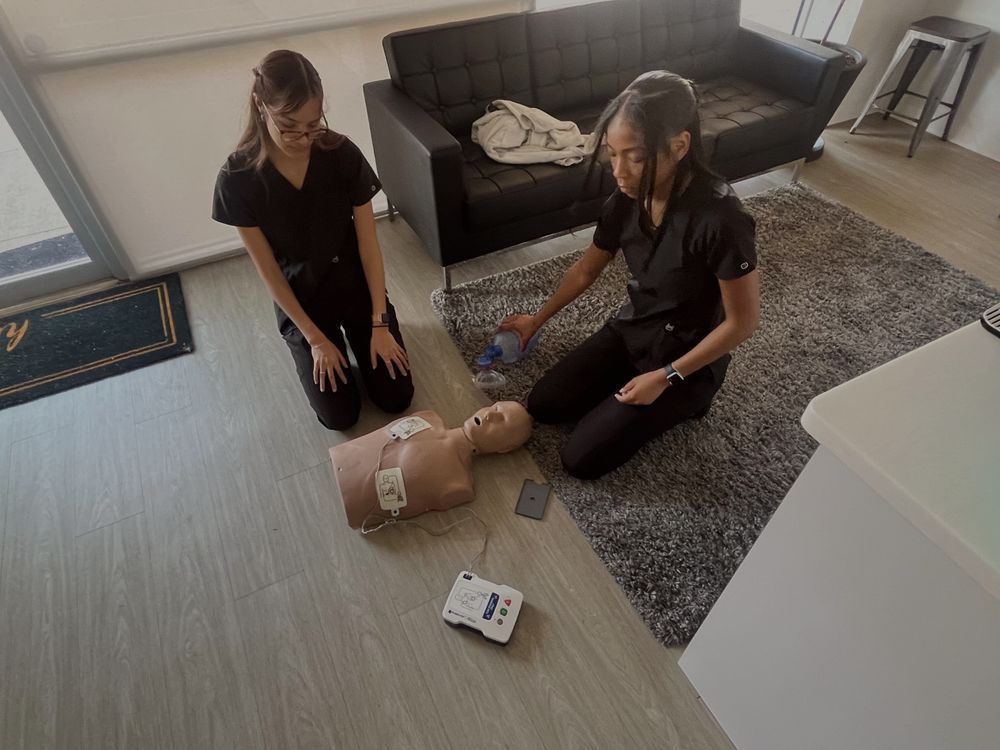
Training programs that emphasize real-world readiness—including patient communication, care coordination, and awareness of social barriers—prepare aspiring medical assistants for the realities of modern healthcare. Exposure to both virtual learning and hands-on clinical experiences builds confidence and competence in addressing whole-person health needs.
Start Your Medical Assisting Career with Pulse Medical Assistant School
Start Your Medical Assisting Career with Pulse Medical Assistant School If you’re ready to build a career that goes beyond clinical tasks and truly impacts patient lives, Pulse Medical Assistant School can help you get there. Pulse offers an online-first, 16-week medical assistant program designed for today’s healthcare environment, combining flexible virtual coursework with intensive, in-person labs that develop real-world clinical skills.
Through hands-on training, patient-centered education, and career-focused instruction, Pulse Medical Assistant School prepares aspiring medical assistants with the confidence to help real patients receive real care. Whether you’re entering healthcare for the first time or transitioning into a more meaningful role, Pulse provides the foundation you need to succeed in a rapidly evolving field.
Take the first step toward a rewarding medical assisting career—one that understands patients as people, not just charts.
You're only a few months from the medical assistant career you deserve.