What Medical Assistants Should Know About Trauma-Informed Care

What Medical Assistants Should Know About Trauma-Informed Care
Healthcare settings are often the first point of contact for people experiencing stress, pain, or vulnerability. For many patients, those feelings are connected to past trauma—whether from medical experiences, violence, loss, discrimination, or long-term instability. Trauma-informed care recognizes that these experiences can shape how patients interact with healthcare providers and how they respond to treatment, communication, and even routine procedures.
Medical assistants play a critical role in trauma-informed care because they are often the first and most frequent point of contact for patients. From taking vitals and gathering medical histories to rooming patients and assisting providers, medical assistants help set the tone for the entire visit. Understanding trauma-informed principles allows MAs to support patient safety, build trust, and contribute to better health outcomes while maintaining professionalism and boundaries in fast-paced clinical environments.
Below are five essential things medical assistants should know about trauma-informed care and how it applies to their daily work.
Trauma Is More Common Than You Might Think
Trauma is not limited to extreme or highly visible events. Many patients carry trauma related to childhood experiences, medical procedures, chronic illness, mental health conditions, domestic violence, military service, incarceration, or systemic inequities. Some patients may not even identify their experiences as trauma, yet those experiences still influence how they react to authority figures, physical contact, or unfamiliar environments.
For medical assistants, this means assuming that any patient could have a trauma history. Trauma-informed care operates on the principle of “universal precautions,” meaning care is delivered in a way that promotes safety and respect for everyone, not just patients who disclose trauma. This mindset reduces the risk of retraumatization and helps create a more supportive clinical environment overall.
Recognizing the prevalence of trauma also helps medical assistants interpret patient behavior more compassionately. A patient who appears withdrawn, defensive, or anxious may not be “difficult” or uncooperative. Instead, they may be responding to fear, loss of control, or past experiences that make healthcare settings feel unsafe. Understanding this context allows MAs to respond with patience and professionalism rather than frustration.
Safety and Trust Are the Foundation of Trauma-Informed Care
Physical and emotional safety are core components of trauma-informed care. Medical assistants can support safety by being mindful of tone, body language, and environmental cues. Simple actions—such as knocking before entering a room, explaining who you are, and asking permission before touching a patient—can make a significant difference in how safe a patient feels.
Trust is built through consistency and transparency. Patients are more likely to feel comfortable when they understand what is happening and why. Medical assistants should clearly explain each step of the visit, whether they are taking vitals, updating a medical history, or preparing the patient for a procedure. Even routine tasks can feel overwhelming to someone with a trauma history if they are unexpected or unexplained.
Maintaining confidentiality and professionalism is also essential for trust. When patients feel confident that their information will be handled respectfully and discreetly, they are more likely to share important details that affect their care. Trauma-informed medical assistants understand that trust is not automatic—it is earned through respectful, predictable interactions over time.
Communication Matters as Much as Clinical Skill
Trauma-informed care places strong emphasis on communication. Medical assistants should use clear, calm, and nonjudgmental language when interacting with patients. Avoiding medical jargon when possible and checking for understanding helps patients feel included rather than overwhelmed.
Active listening is another critical skill. Patients may need time to process questions or may struggle to articulate their concerns. Allowing pauses, acknowledging emotions, and validating concerns—without attempting to diagnose or counsel—can help patients feel heard. Simple statements like “Thank you for sharing that” or “I understand this can be uncomfortable” can go a long way.
Equally important is being aware of what not to say. Trauma-informed communication avoids minimizing a patient’s feelings or rushing them through explanations. Medical assistants should refrain from expressing disbelief, impatience, or judgment, even when patients appear hesitant or emotional. Respectful communication supports emotional safety and reduces anxiety throughout the visit.
Choice and Control Help Prevent Retraumatization
A core principle of trauma-informed care is restoring a sense of control. Trauma often involves experiences where individuals felt powerless or unheard. Medical assistants can help counter this by offering patients choices whenever possible.
Even small choices can have a meaningful impact. Asking whether a patient prefers to sit or stand, which arm they would like used for a blood pressure reading, or if they would like a moment before beginning an exam helps patients feel respected. When choices are limited, explaining why and acknowledging the lack of alternatives still supports transparency and trust.
Medical assistants should also be attentive to signs of distress and respond appropriately. If a patient appears uncomfortable during a procedure, pausing to check in or offering reassurance can prevent escalation. Trauma-informed care does not mean avoiding necessary clinical tasks—it means completing them in a way that prioritizes dignity, consent, and patient autonomy.
Trauma-Informed Care Applies to the MA’s Well-Being Too
While trauma-informed care focuses on patient experience, it also recognizes the impact of stress and emotional labor on healthcare workers. Medical assistants are exposed to high-pressure environments, emotionally charged interactions, and sometimes patients’ traumatic stories. Over time, this can contribute to burnout or secondary trauma.
Understanding trauma-informed principles encourages medical assistants to practice self-awareness and self-care. Recognizing personal limits, seeking support when needed, and using healthy coping strategies are essential for long-term success in the field. Many healthcare settings emphasize teamwork, debriefing, and mental health resources as part of a trauma-informed workplace culture.
Medical assistants who care for themselves are better equipped to care for others. By maintaining boundaries, communicating openly with supervisors, and continuing professional development, MAs can sustain empathy without becoming overwhelmed. Trauma-informed care is not about carrying patients’ experiences alone—it is about contributing to a supportive system of care.
Training Makes Trauma-Informed Care a Practical Skill
Training Makes Trauma-Informed Care a Practical Skill Trauma-informed care is not instinctive—it is a learned approach that improves with education and practice. Medical assistants benefit from structured training that integrates clinical skills with communication techniques, patient advocacy, and ethical awareness. Understanding trauma-informed principles early in one’s career helps build confidence and professionalism across diverse healthcare settings.
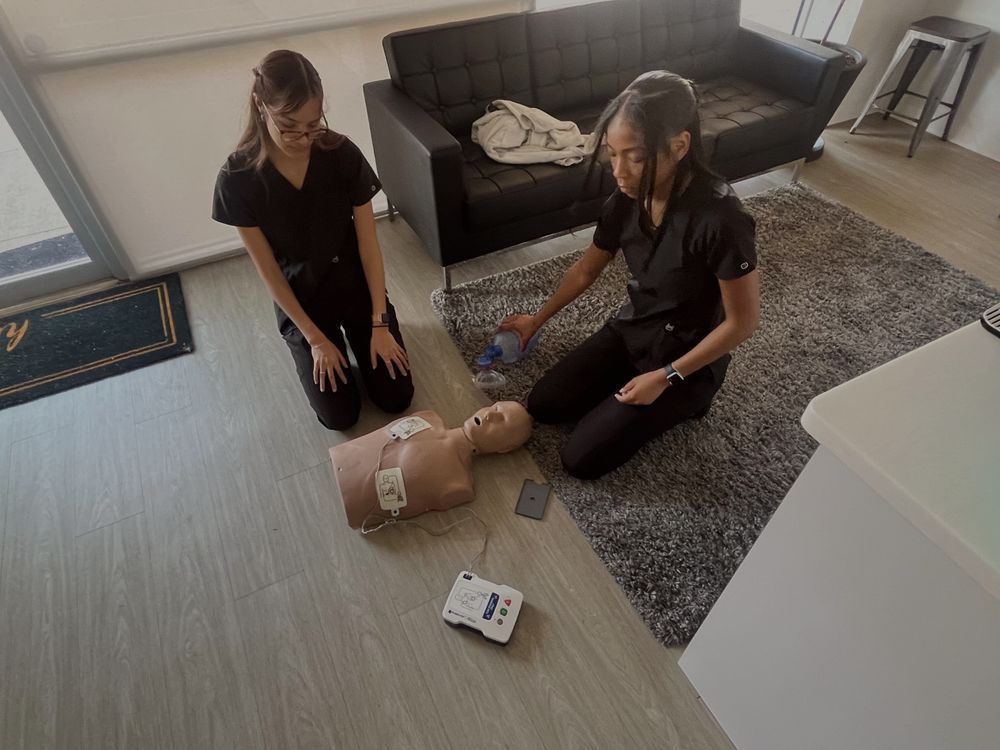
Quality medical assistant programs introduce students to patient-centered care models, real-world scenarios, and hands-on learning experiences. Through role-playing, labs, and supervised practice, aspiring MAs learn how to apply trauma-informed strategies while maintaining efficiency and clinical accuracy. This preparation ensures that graduates are ready to support patients from all backgrounds with competence and compassion.
As healthcare continues to evolve, trauma-informed care is becoming an expected standard rather than an optional approach. Medical assistants who understand and apply these principles are better positioned to succeed in clinics, hospitals, and specialty practices where patient experience and outcomes are closely connected.
Start Your Medical Assisting Career with the Right Training
Start Your Medical Assisting Career with the Right Training Trauma-informed care begins with strong foundational training that prepares medical assistants for real patient interactions. Pulse Medical Assistant School offers an online-first, 16-week medical assistant program designed to fit modern learners’ lives while delivering hands-on experience where it matters most. Through intensive, in-person labs, students build the clinical confidence and communication skills needed to support patients with professionalism, empathy, and care.
If you’re ready to start a career where you can make a meaningful difference in patients’ lives, Pulse Medical Assistant School provides the focused training and real-world preparation to help you succeed—so you can help real patients receive real care.
You're only a few months from the medical assistant career you deserve.