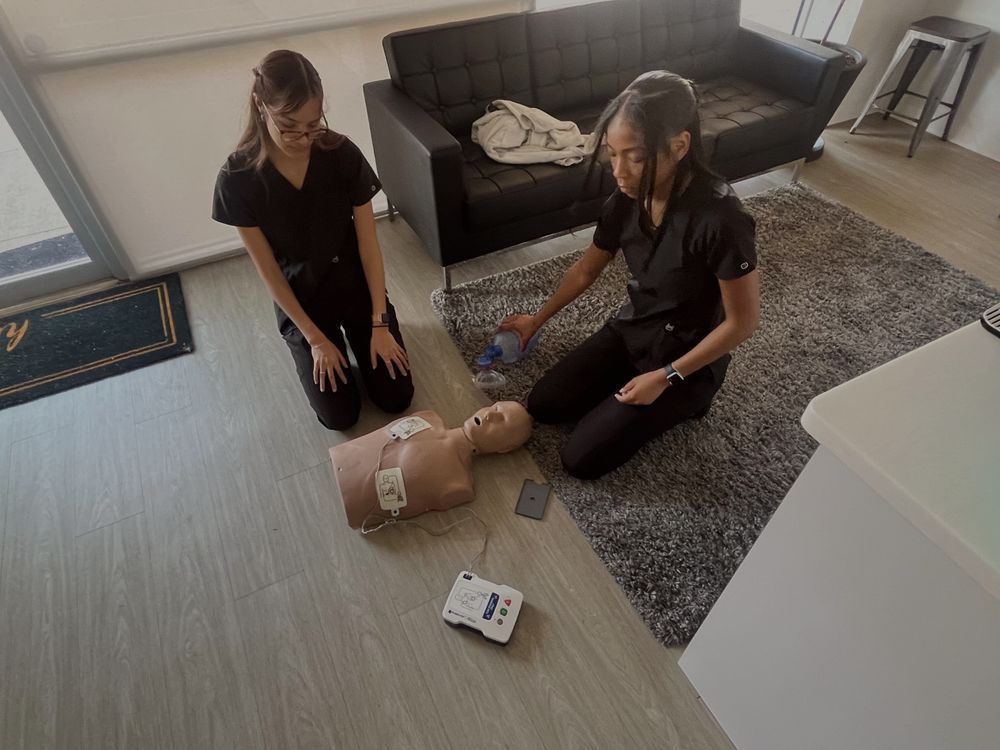
What Soft Skills Make Medical Assistants Stand Out in Patient Care
What Soft Skills Make Medical Assistants Stand Out in Patient Care
Medical assistants play one of the most vital roles in healthcare. While technical skills like taking vitals, administering injections, and managing electronic health records are essential, what truly sets exceptional medical assistants apart are their soft skills—the human-centered abilities that build trust, compassion, and confidence with patients and colleagues alike.
Students not only gain hands-on training in clinical and administrative procedures but also develop the personal and professional qualities that make them invaluable members of any medical team.
Why Soft Skills Matter in Healthcare
Soft skills are often described as “people skills,” but in the context of patient care, they go much deeper. They affect everything from how a patient feels walking into a clinic to how efficiently the office runs behind the scenes.
A medical assistant who listens with empathy, communicates clearly, and shows reliability can improve patient outcomes, enhance satisfaction, and create a supportive work environment for physicians and nurses.
- Empathy and Compassion
Empathy is the ability to understand and share the feelings of others—a cornerstone of quality patient care. Patients often visit medical offices feeling anxious, unwell, or vulnerable. A medical assistant who takes the time to listen and respond with kindness can make a lasting impression.
Empathy is woven into every part of the training. Students learn to:
Recognize nonverbal cues that indicate discomfort or fear
Respond with calm reassurance
Respect patient privacy and dignity
Maintain composure in emotionally charged situations
- Communication Skills
Clear communication is critical in a medical setting. Medical assistants act as a bridge between patients and providers, ensuring that instructions, updates, and information are conveyed accurately and compassionately.
Strong communication involves both speaking and listening. Medical assistants must be able to:
Explain procedures in plain language
Relay information between patients and physicians
Document accurately in medical records
Handle phone calls and scheduling with professionalism
- Professionalism and Dependability
Healthcare teams rely heavily on trust and reliability. Medical assistants often handle confidential information, manage sensitive conversations, and maintain critical administrative systems.
Demonstrating professionalism includes:
Showing up on time and prepared
Following ethical standards and confidentiality laws (like HIPAA)
Wearing appropriate attire and maintaining a neat appearance
Staying calm under pressure
Dependability is equally important—when medical assistants consistently deliver quality work and meet expectations, they earn the trust of doctors and patients alike.
- Attention to Detail
Accuracy is critical in patient care. A simple clerical mistake or a missed instruction can affect treatment outcomes. That’s why great medical assistants develop sharp attention to detail—double-checking patient information, following protocols, and ensuring consistency in everything they do.
This focus on precision not only keeps patients safe but also helps healthcare facilities maintain compliance with medical standards.
- Adaptability and Flexibility
No two days in a medical office are the same. Emergencies happen, schedules change, and new technologies are introduced regularly. Successful medical assistants are adaptable—they can pivot quickly while maintaining focus and professionalism.
Pulse Medical Assistant School’s students learn to thrive in dynamic environments by practicing multitasking and problem-solving during their training. Whether it’s assisting with unexpected lab work or managing an overbooked schedule, flexibility helps them stay efficient and composed.
- Teamwork and Collaboration
Medical assistants are part of a larger ecosystem of care. They interact daily with physicians, nurses, lab technicians, and office staff. The ability to work well with others—offering support, sharing information, and maintaining positive energy—directly affects patient outcomes and workplace morale.
In class and externships, students learn to:
Respect different roles and responsibilities
Communicate proactively with team members
Offer assistance when others are overwhelmed
Share credit and celebrate team success
- Emotional Intelligence
Emotional intelligence (EQ) combines self-awareness, self-regulation, motivation, empathy, and social skills. In healthcare, it’s what helps medical assistants maintain composure under stress, resolve conflicts gracefully, and handle difficult patient interactions with care.
An emotionally intelligent medical assistant can:
Recognize their own stress triggers
De-escalate tense situations
Show patience with frustrated patients or coworkers
Stay positive even during challenging days
The Pulse’s program encourages students to reflect on their emotions and develop strategies for staying balanced and compassionate.
- Cultural Sensitivity and Respect
Modern healthcare serves diverse populations. Understanding and respecting cultural, linguistic, and religious differences is essential to providing equitable care.
Communicate respectfully with patients from all backgrounds
Avoid assumptions and stereotypes
Recognize cultural differences in communication and comfort levels
By promoting awareness and acceptance, medical assistants help create welcoming environments where every patient feels understood and valued.
Why Employers Value Soft Skills in Medical Assistants
Healthcare employers consistently rank soft skills among the top attributes they look for in new hires. According to recent industry surveys, qualities like communication, empathy, and professionalism are just as important as technical know-how when hiring medical assistants.
By developing these skills during their training at Pulse Medical Assistant School, graduates enter the job market with a clear advantage. Employers know they can rely on these professionals to handle patient interactions gracefully and maintain the positive, efficient environment that healthcare settings demand.
FAQs About Soft Skills for Medical Assistants
What are the top soft skills every medical assistant should have?
Empathy, communication, professionalism, teamwork, adaptability, and attention to detail are among the most essential. These skills directly impact patient satisfaction and the overall efficiency of healthcare teams.
Can soft skills really be taught?
Yes. While some people may naturally possess empathy or patience, structured training can help refine and strengthen these traits through experience and guided reflection.
How do employers evaluate soft skills?
Employers often assess soft skills during interviews and externships. They observe how candidates communicate, handle stress, and interact with patients and coworkers.
How can I improve my soft skills as a medical assistant student?
Practice active listening, seek feedback, volunteer in patient-facing settings, and focus on professionalism in every interaction. The more real-world experience you gain, the stronger your soft skills will become.
You're only a few months from the medical assistant career you deserve.