What to Bring on Your First Day of Medical Assistant Class
What to Bring on Your First Day of Medical Assistant Class
Starting your journey toward becoming a medical assistant is an exciting milestone. The first day of class marks the beginning of a new chapter—one filled with hands-on learning, new connections, and the foundational skills that will shape your future healthcare career. While it’s normal to feel a mix of excitement and nerves, being prepared can help you walk through the doors with confidence. One of the best ways to set yourself up for a strong start is by bringing the right tools, supplies, and mindset to your first day.
Medical assistant programs are fast-paced, skills-focused, and built to prepare students for real-world clinical and administrative responsibilities. That means organization matters from day one. Whether your program begins with online coursework, in-person instruction, or a combination of both, arriving well-prepared helps you stay ahead, keep track of important information, and make a strong first impression. Below are six essential things to bring on your first day of medical assistant class so you feel ready, focused, and fully engaged.
A Reliable Notebook or Digital Note-Taking Device
One of the most important things to bring on your first day is a dependable way to take notes. Medical assistant courses cover a wide range of information in a short amount of time—from anatomy and physiology basics to medical terminology, professionalism, and safety protocols. Having a dedicated notebook or tablet keeps all your notes, diagrams, and definitions organized in one place.
Some students prefer traditional notebooks because handwriting helps them remember information better. Others rely on digital tablets or laptops for quick typing and easy searchability later. Either choice is fine, as long as it supports your learning style and allows you to stay organized throughout the program. On day one, you’ll likely be introduced to course expectations, class structures, key skills you’ll learn, and how your externship works—so prepare for a full page of notes.
A Planner or Digital Calendar to Track Assignments and Lab Dates
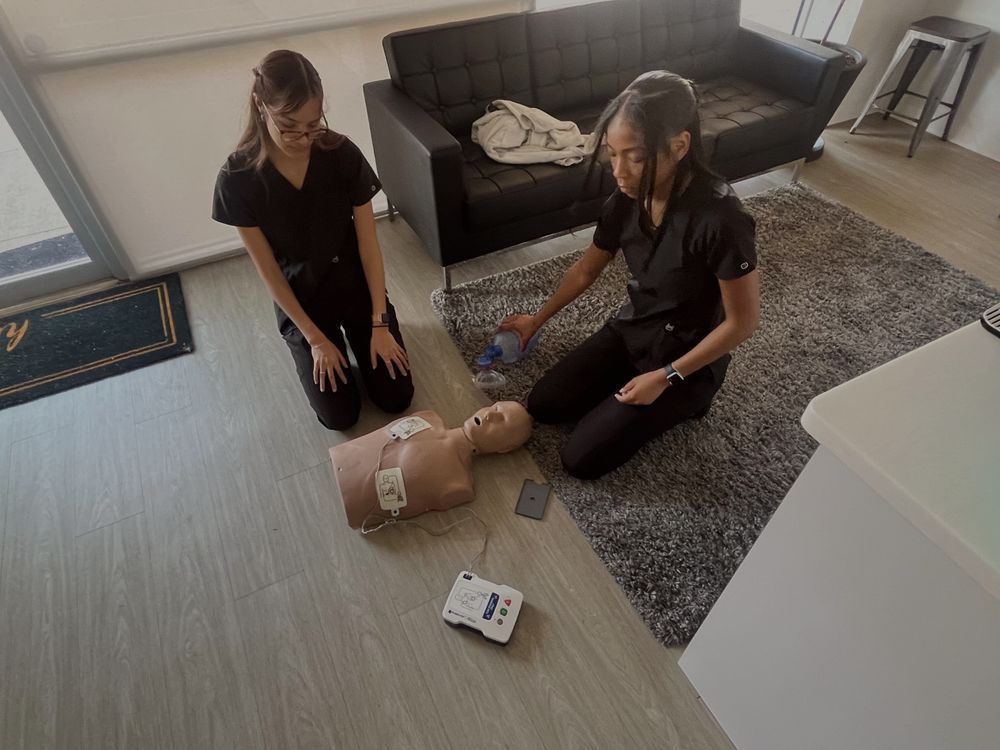
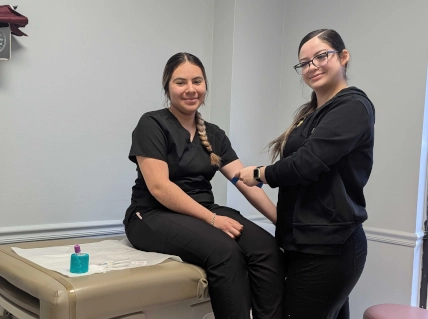
Medical assistant programs move quickly, and staying on top of deadlines is essential. Your first day is the perfect time to set up a planner or digital calendar where you can track assignment due dates, exam schedules, live class sessions, and especially lab days. Labs are where you’ll learn hands-on clinical skills like taking vital signs, performing injections, conducting EKGs, and preparing exam rooms. These classes are mandatory, so planning ahead helps ensure you never miss a session.
A well-organized planner also helps you balance life, work, and school. Whether you use a paper planner, Google Calendar, or a task-management app, bring it with you on day one so you can record important dates as soon as they’re announced. Good time management is one of the most essential skills for success in a fast-paced MA program, and your first day sets the tone.
Comfortable Clothing and Closed-Toe Shoes for Labs
Even if your first day doesn’t include a lab, it’s a good idea to dress as if it might. Many medical assistant programs use the first session to introduce students to the lab environment, cover safety guidelines, or tour clinical classrooms. Wearing comfortable, professional, and appropriate clothing ensures you’re ready for anything.
Closed-toe shoes are a must, as they are required for all clinical settings—both for safety and hygiene. You may not need scrubs on day one, but your school will let you know when they become part of your regular attire. Until then, choose clothing that allows you to move comfortably and confidently. Dressing like a healthcare professional helps you step into the mindset of your new role from the very beginning.
A Folder or Organized Binder for Syllabi and Handouts
Even in programs that rely heavily on digital learning platforms, you will likely receive printed materials at some point—especially on your first day. Syllabi, lab guidelines, class schedules, and program policies are often handed out during orientation or the first session. Bringing a folder or binder ensures these documents stay neat, accessible, and protected.
An organized binder can also help you keep track of externship requirements, immunization records, CPR certification documents, or any additional paperwork the school may require later. Having everything in one place reduces stress and makes it easy to find what you need when deadlines or checklists come up. Treat your binder as your career toolkit—your roadmap to staying organized throughout your medical assistant training.
Writing Tools, Highlighters, and Study Supplies
While note-taking devices are helpful, basic supplies are still essential. Pens, pencils, highlighters, and sticky notes make it easy to mark important details, flag questions for your instructor, and organize content for studying. Medical assistant coursework includes terminology, anatomy, pharmacology basics, and procedural steps—many of which require memorization.
Color-coding your notes, highlighting key terms, and using sticky tabs for quick navigation can significantly improve your retention and study efficiency. Bringing these tools on your first day sets you up with a strong foundation and ensures you’re ready to capture information as soon as class begins. Being prepared also helps you stay focused, organized, and engaged from day one.
A Positive, Professional Mindset
The final—yet most important—thing you should bring to your first day is a positive, professional mindset. Medical assisting is a people-focused career rooted in compassion, communication, and reliability. Your first day of class is an opportunity to begin developing these traits in a hands-on learning environment.
Show up ready to ask questions, meet classmates, participate in activities, and introduce yourself to your instructors. Demonstrate curiosity, dedication, and enthusiasm for learning. A positive attitude not only helps you adjust to the program—it also prepares you for the responsibilities you’ll take on in real healthcare settings. Providers, patients, and coworkers will depend on you, and the habits you build on day one will follow you into your externship and your first job.
Professionalism in the classroom is also great practice for professionalism in a clinic. Arrive on time, stay engaged, communicate respectfully, and take your education seriously. These soft skills—combined with your new clinical knowledge—will help you stand out as both a student and a future medical assistant.
Start Your MA Journey with Pulse Medical Assistant School
Start Your MA Journey with Pulse Medical Assistant School Your first day of medical assistant class is more than just a welcome session—it’s the moment you step into a new identity as a future healthcare professional. By showing up prepared with the right tools, the right mindset, and the right organizational habits, you’ll set yourself on a path toward success. The items you bring on day one may seem simple, but they support your confidence, focus, and readiness for the fast-paced training ahead.
If you commit to being prepared, proactive, and open to learning, you’ll make the most of every class, lab, and externship experience. Becoming a medical assistant is a rewarding journey, and your first day is where it all begins.
If you’re ready to begin a fast, flexible, and career-focused training program, Pulse Medical Assistant School can help you take the first step with confidence. As an online-first, 16-week medical assistant program with intensive, in-person labs, Pulse prepares aspiring medical assistants with the clinical skills, hands-on experience, and real-world readiness needed to thrive in today’s healthcare workplaces. You’ll graduate with the training, support, and confidence to help real patients receive real care—starting from your very first day of class.
You're only a few months from the medical assistant career you deserve.