What to Know About Medical Assistant Certification Exams
What to Know About Medical Assistant Certification Exams
Becoming a medical assistant is one of the fastest, most reliable ways to launch a meaningful healthcare career—and certification is a major step in that journey. For many learners, the certification exam is the moment where classroom training becomes validated confidence. Passing it shows employers that you have mastered the clinical skills, administrative knowledge, safety standards, and professional ethics required to support real patients in real medical environments.
But like any important exam, the medical assistant certification test can feel intimidating if you don’t know what to expect. The good news: you don’t need to guess. Certification exams follow clear structures, test clearly defined competencies, and reward the same habits that lead to success in training programs—preparation, organization, and consistent practice. Understanding what these exams are, how they work, and what they measure can turn test anxiety into momentum.
Below are five key things aspiring medical assistants should know about medical assistant certification exams—and how understanding them can set you up for success.
Exams Cover Both Clinical and Administrative Knowledge
Many new learners assume certification exams focus only on patient care skills, but the reality is broader. Medical assistants bridge two worlds—clinical operations and administrative workflows—which means exams evaluate both sides of the profession.
Most certification tests will include questions in areas such as:
Clinical Competencies
Taking vital signs
Assisting with examinations and procedures
Administering injections
Performing EKGs
Conducting CLIA-waived laboratory tests
Understanding infection control and sterilization
Understanding infection control and sterilization Patient positioning, preparation, and safety
Administrative Competencies
Electronic health records (EHR) management
Appointment scheduling
Billing and coding basics
Patient communication
Medical terminology
HIPAA and patient privacy laws
Insurance verification and documentation
Understanding this balance helps you shape your study plan. For example, if you come from a customer-service background, administrative questions may feel easier, but clinical procedures will require more practice. Conversely, if you excel in anatomy and hands-on labs, you may need to dedicate more time to insurance terms and documentation rules.
Knowing what’s covered gives you a realistic picture of what to expect—and ensures you prepare holistically.
Exams Follow Predictable Formats and Question Styles
Another important thing to know is that medical assistant certification exams are structured clearly, and most follow predictable formats. While the number of questions varies by certification, they’re typically multiple-choice, computer-based tests with a fixed time limit.
Across all certifications, these exams generally:
Last 2–3 hours
Use multiple-choice questions
Focus on real-world scenarios
Require choosing the best answer among several correct-seeming options
Prioritize safety, accuracy, and professionalism
Most exams also include scenario-based questions that require applying your knowledge—not just memorizing facts. For example, instead of asking you to define “aseptic technique,” an exam may describe a contaminated field and ask what the medical assistant should do next.
Understanding the structure helps you build your test-taking strategy. You’ll know when to pace yourself, how to allocate time, and what types of questions require extra thought.
Understanding the structure helps you build your test-taking strategy. You’ll know when to pace yourself, how to allocate time, and what types of questions require extra thought.
Preparation Matters—But the Right Kind of Preparation Matters More
One of the biggest misconceptions about medical assistant certification exams is that you need to “cram” for them. In reality, quality training plus targeted review leads to the highest success rates.
Here’s what strong preparation typically includes:
Hands-On Practice
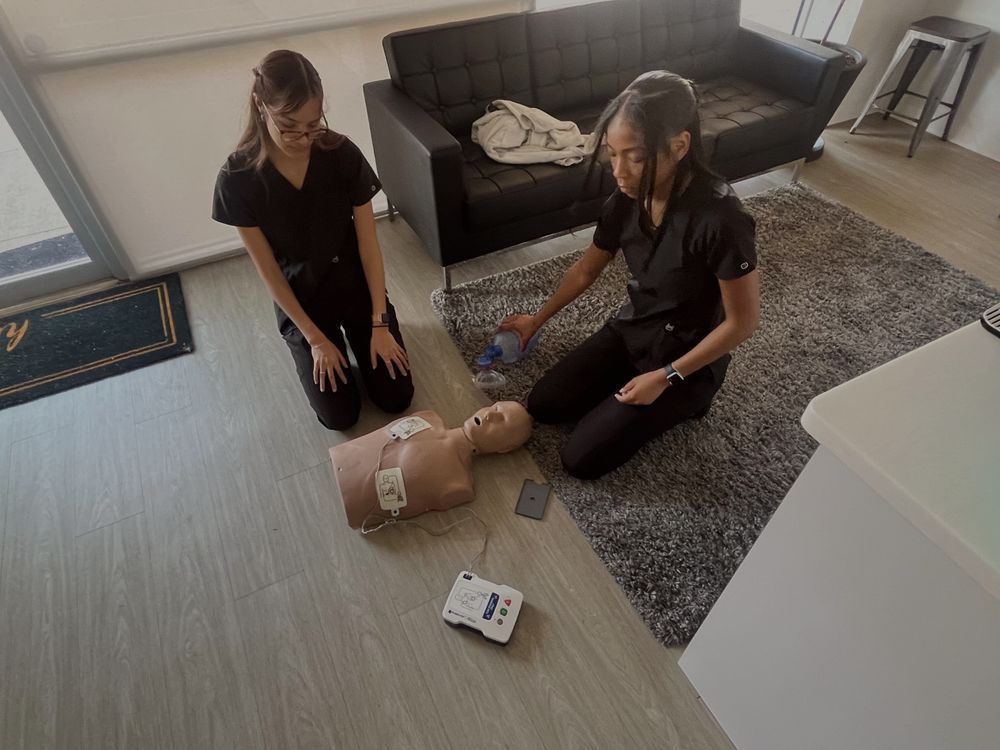
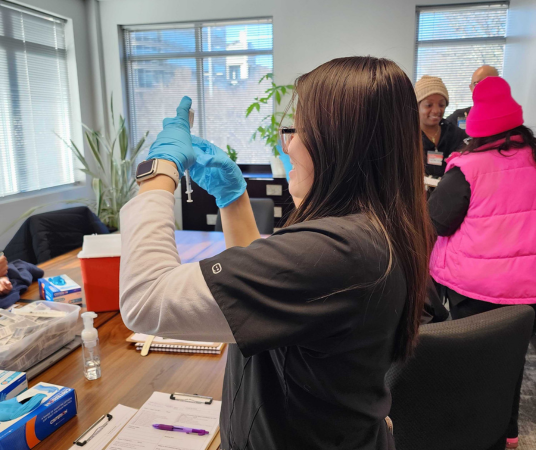
Exams expect you to understand the why behind every clinical procedure—something much easier when you’ve actually performed an injection, assisted in a phlebotomy session, or practiced sterile field setup during labs.
Reviewing Exam Competencies
Every certification organization publishes a content outline. Reviewing these guides helps you ensure you’re studying the right material—not just guessing.
Using Practice Tests
Practice exams help you:
Become familiar with question style
Become familiar with question style Identify knowledge gaps
Build test-taking stamina
Reduce exam-day anxiety
Most learners see significant score improvements after completing multiple practice tests.
Organized Study Plans
Studying in predictable segments—like 30–45 minutes a day—outperforms marathon study sessions. Medical terminology, anatomy, infection control, and pharmacology benefit from spaced repetition.
Asking for Help
Instructors, study groups, and online communities can clarify confusing concepts and keep you accountable.
The key is consistent, focused preparation. Certification exams aren’t designed to trick you—they’re designed to validate the skills you’re already learning. When training and review work together, exam day becomes an opportunity rather than an obstacle.
Certification Opens the Door to Better Pay, More Job Offers, and Career Growth
While certification is technically optional in some states, employers overwhelmingly prefer or require certified medical assistants (CMAs, CCMAs, RMAs, etc.) because certification reduces training time, ensures clinical competency, and shows commitment to the field.
Here’s what certification can do for your career:
Stronger Job Prospects
Certified medical assistants are more competitive candidates, especially in:
Hospitals
Outpatient centers
Surgical clinics
Specialty offices (cardiology, dermatology, orthopedics, pediatrics)
Faster Career Advancement
Faster Career Advancement
Certification can unlock opportunities such as:
Lead MA positions
Specialized clinical roles (phlebotomy, EKG tech, scribe)
Office management
Billing and insurance coordination
Pathways into nursing and other allied health fields
Professional Confidence
Certification proves—objectively—that you are competent, reliable, and ready to support patient care.
Most importantly, certification shows employers that you take your future seriously—and that you meet high national standards for safety, professionalism, and clinical quality.
Certification Is the Bridge Between Training and a Real Healthcare Career
Medical assistant certification exams may feel intimidating at first, but understanding them removes the mystery. You now know that:
There are multiple certification pathways.
Exams cover both clinical and administrative competencies.
Question styles and formats are predictable.
The right preparation is the key to passing.
The right preparation is the key to passing. Certification leads to stronger job opportunities and higher earning potential.
If you’re pursuing a career in healthcare, certification isn’t just a box to check—it’s your launchpad. It validates your training, boosts your professional credibility, and signals to employers that you’re ready to deliver excellent patient care from day one.
Ready to Become a Certified Medical Assistant?
Ready to Become a Certified Medical Assistant? If you’re preparing for a medical assistant certification exam, the right training program makes all the difference. Pulse Medical Assistant School is an online-first, 16-week medical assistant program that blends flexible online coursework with intensive, in-person lab training. Learners get hands-on experience with real clinical skills—vital signs, injections, phlebotomy, EKGs, patient communication, and more—so they can walk into their certification exam (and their first job) with confidence.
You’ll graduate ready to care for real patients, support real providers, and step into a career that truly makes an impact.
You’ll graduate ready to care for real patients, support real providers, and step into a career that truly makes an impact. Start your journey with Pulse Medical Assistant School—where future medical assistants learn the skills, build the confidence, and gain the certifications they need to thrive.
You're only a few months from the medical assistant career you deserve.