What You Should Know Before Enrolling in a Medical Assistant Bootcamp
What You Should Know Before Enrolling in a Medical Assistant Bootcamp
Breaking into healthcare doesn’t have to take years of schooling or tens of thousands of dollars in tuition. For many students, a medical assistant (MA) bootcamp offers a faster, more affordable, and highly focused path into patient care. These programs are designed to give you the clinical and administrative skills employers want—without the long prerequisites or heavy academic structure that traditional degree programs require.
But before you enroll in a medical assistant bootcamp, it’s smart to know exactly what you’re signing up for. Every program has its own format, expectations, and career outcomes, and choosing the right one can shape your confidence, job readiness, and long-term success in healthcare. Below are five essential things every student should understand before starting their MA training journey.
Bootcamps Are Accelerated—You Must Be Ready for a Fast Pace
Medical assistant bootcamps are intentionally condensed so students can enter the workforce quickly. Unlike associate degree programs, which may take two years to complete, most MA bootcamps run anywhere from 12 to 24 weeks. That short timeline means the curriculum is intensive and hands-on from day one.
Students should expect to complete multiple modules each week, often combining clinical skills training, administrative procedures, and anatomy concepts. There’s very little downtime, and assignments are designed to reinforce real-world skills rather than theory alone.
This fast pace is great for career changers or recent graduates who don’t want to wait long to start earning a paycheck. However, it also means you must be prepared to manage your time, stay organized, and prioritize your training. Bootcamps aren’t “dip your toe in the water” programs—if you commit, you need to be all in.
If you’re someone who works well under time pressure and thrives in structured learning environments, the accelerated pace can be a major advantage. But if you prefer slower, more academic learning, a traditional program may be a better fit.
Not All Bootcamps Include Hands-On Clinical Training—But They Should
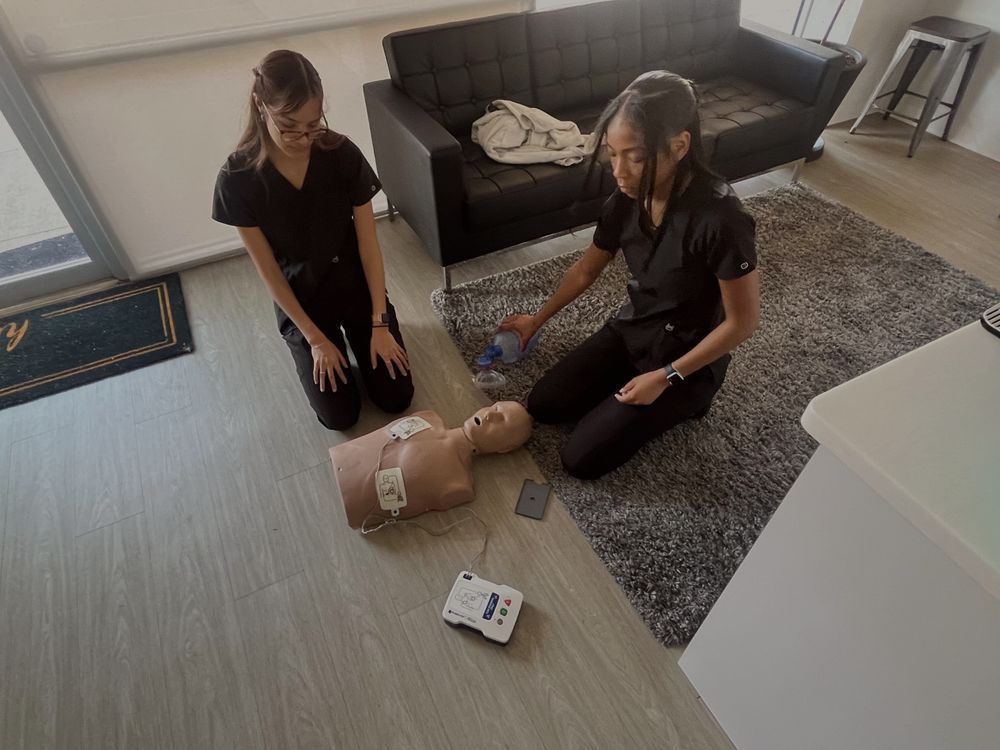
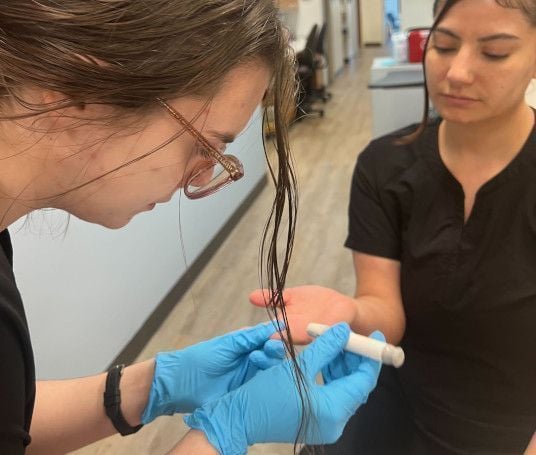
A good medical assistant bootcamp teaches both administrative and clinical skills. While administrative tasks like scheduling and billing are important, clinical skills are what employers rely on MAs for most. These hands-on techniques include:
Taking vital signs
Administering injections
Performing EKGs
Conducting laboratory tests
Preparing exam rooms and equipment
Preparing exam rooms and equipment
Assisting physicians during procedures
Some programs rely heavily on online coursework and offer limited in-person labs. While online flexibility is convenient, hands-on labs are crucial for building confidence and muscle memory. Employers want to know you can interact with patients safely and perform clinical tasks accurately—not just pass online quizzes.
When researching programs, ask:
How many hours of hands-on lab work are included?
How many hours of hands-on lab work are included?
Who teaches the labs—experienced MAs, nurses, or instructors without clinical backgrounds?
Are labs taught in small groups so students receive individualized instruction?
Are skills checked off and evaluated before graduation?
If a program does not include robust, instructor-led lab sessions, it may not fully prepare you for the realities of patient care. The best bootcamps pair online theory with high-quality in-person clinical training to ensure you graduate ready for real medical settings.
Bootcamps Prepare You for Entry-Level Roles—But Certification Still Matters
Medical assistant bootcamps give you the training needed to qualify for entry-level MA positions, but many employers also prefer or require certification. After completing a bootcamp, graduates often sit for one of several industry-recognized exams, such as:
Certified Clinical Medical Assistant (CCMA)
Registered Medical Assistant (RMA)
Certified Medical Assistant (CMA)
Certification demonstrates professionalism, mastery of skills, and commitment to patient safety. Even when it’s not required, it can significantly improve job opportunities and earning potential.
Before enrolling, review whether your bootcamp:
Includes exam preparation or dedicated review modules
Provides practice tests or study materials
Covers the cost of the certification exam (some do, some don’t)
Aligns its curriculum with the competencies tested on national exams
If certification is part of your career plan—and for most students, it should be—make sure your chosen program supports that goal. A well-designed bootcamp doesn’t just teach you skills; it gets you ready for the credential employers value most.
Career Support Can Make or Break Your Job Search
A medical assistant bootcamp equips you with the training, but the right career support helps you secure the job. Healthcare employers are consistently hiring, yet that doesn’t mean it’s easy to land your first clinical role without guidance.
Look for programs that offer:
Resume and Cover Letter Coaching
Your first MA resume must highlight hands-on skills, externship experience, and patient care knowledge. A strong program will help you tailor your resume for clinical settings—not just general employment.
Mock Interviews and Job Coaching
Practicing with an experienced coach can help you answer common interview questions such as:
“Describe a time you worked under pressure.”
“How do you handle nervous or upset patients?”
“What are your strongest clinical skills?”
Good coaching helps you communicate confidence and competence.
Partnerships with Local Clinics, Urgent Cares, and Hospitals
Some schools maintain relationships with local healthcare employers, giving graduates a direct path into interviews. Others offer externships as part of the curriculum, which can serve as both training and an extended job interview.
Lifetime or Extended Career Services
Lifetime or Extended Career Services Healthcare is an industry where people frequently grow into new roles. Programs with long-term support make it easier to move from entry-level MA positions into specialties such as dermatology, cardiology, OB/GYN, or even into leadership roles later.
If a bootcamp offers little or no career support, you’ll be on your own in a competitive job market. The best programs stay with you until you’re hired—and often well beyond.
A Bootcamp Is Only the Beginning—Be Prepared for Continuous Learning
Medical assisting is a dynamic field. New technologies, EHR systems, clinical procedures, and patient care standards evolve constantly. A successful MA isn’t just someone who completes a bootcamp—they’re someone who continues to learn and adapt.
Before enrolling, consider your long-term goals:
Do you eventually want to work in a specialty like pediatrics, cardiology, or dermatology?
Are you interested in advancing to roles like practice manager, medical office administrator, or patient care coordinator?
Do you plan to pursue additional certifications such as phlebotomy, EKG tech, or billing and coding?
Would you like to use medical assisting as a stepping stone into nursing, radiology, or physician assistant programs?
Bootcamp graduates often find that the MA role gives them a strong understanding of patient care and healthcare workflows. Many go on to complete additional training, degrees, or specializations.
The key is choosing a program that builds a solid foundation while inspiring ongoing growth. The right bootcamp doesn’t just teach you how to take vital signs—it teaches you how to thrive in a healthcare environment and chart a long-term career path.
Ready to Begin Your Medical Assistant Journey?
Ready to Begin Your Medical Assistant Journey? A medical assistant bootcamp is one of the fastest, most efficient ways to start a healthcare career—but not all bootcamps are created equal. Before enrolling, make sure you understand the program’s pace, hands-on expectations, certification readiness, career services, and long-term growth opportunities. When these elements are in place, you gain more than an education—you gain a confident launch into a meaningful, patient-centered profession.
If you’re looking for a program that combines flexible online coursework with real, hands-on clinical training, Pulse Medical Assistant School offers the perfect balance. Pulse is an online-first, 16-week medical assistant program built for busy learners who want to start working quickly. With intensive, in-person labs, you’ll build the skill set and confidence you need to help real patients receive real care—starting from your very first day on the job.
Whether you’re exploring healthcare for the first time or making a career change, Pulse gives you the training, support, and experience to thrive.
You're only a few months from the medical assistant career you deserve.