What You_ll Learn in a Medical Assistant Program_ Common Courses Explained
What You’ll Learn in a Medical Assistant Program: Common Courses Explained
Choosing to become a medical assistant is one of the fastest, most reliable ways to start a hands-on career in healthcare. But before enrolling, many students want to know exactly what they’ll learn in a medical assistant program. These programs are designed to teach practical, job-ready skills that help graduates confidently support physicians, nurses, and patients in real clinical settings. Whether you’re just beginning your healthcare journey or planning to advance later on, understanding the curriculum helps you feel prepared for what’s ahead.
Medical assistant training blends clinical knowledge, administrative skills, and patient-care preparation. That combination makes medical assistants uniquely valuable in medical offices, urgent care centers, and specialty practices. While every school structures its curriculum a little differently, most programs cover a common set of courses designed to build foundational competence and confidence. Below, we’ll walk through six essential things you can expect to learn in a medical assistant program—and how each prepares you for real work with real patients.
Human Anatomy and Physiology Basics
Nearly every medical assistant program begins with an introduction to anatomy and physiology. You’ll learn how the body’s major systems work—from the circulatory and respiratory systems to the nervous and digestive systems. This foundational knowledge helps you understand why physicians order certain tests, how diseases develop, and how to communicate effectively with patients about their symptoms.
In addition to learning core body functions, you’ll become familiar with medical terminology. This includes prefixes, suffixes, and root words that help you decode complex medical language. Understanding these terms ensures you can read charts, document patient information accurately, and communicate clearly with other clinical professionals.
Clinical Procedures and Patient Examination Skills
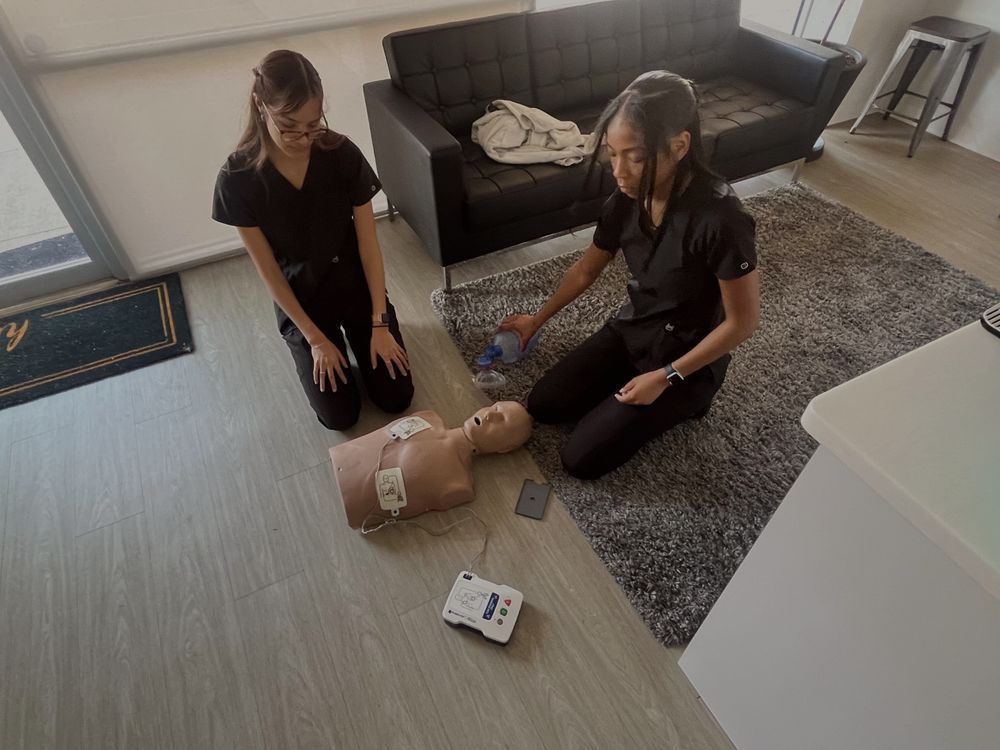
Medical assistants play a crucial role in patient care, which is why learning hands-on clinical procedures is a major part of training. These courses teach you how to take vital signs, measure height and weight, perform vision tests, prepare patients for exams, and assist during procedures. You’ll also learn the proper techniques for infection control, sterilization, and maintaining a clean, safe clinical environment.
Programs also introduce diagnostic procedures such as electrocardiograms (EKGs), pulse oximetry, and specimen collection. Being comfortable with medical equipment allows you to work confidently in physician offices, outpatient clinics, and specialty practices like cardiology or dermatology. These skills form the foundation of a medical assistant’s day-to-day clinical responsibilities.
Phlebotomy and Laboratory Techniques
Many medical assistant programs include coursework in phlebotomy, teaching you how to draw blood safely and accurately. You’ll learn venipuncture techniques, how to identify the right tubes for specific tests, and how to label and store samples according to lab standards. Drawing blood is one of the most in-demand skills employers look for in medical assistants.
Alongside phlebotomy, you’ll learn basic laboratory procedures such as urinalysis, rapid testing protocols, and specimen handling. These courses prepare you to work closely with lab technicians and ensure that samples used for patient diagnoses are collected and processed correctly. The combination of clinical and lab skills makes you a versatile addition to any healthcare team.
Medical Office Administration and Electronic Health Records (EHRs)
While clinical skills are a major part of the job, medical assistants also play a key role in running the front office. Courses in medical office administration will teach you how to schedule appointments, verify insurance, handle patient communication, and manage billing processes. You’ll also learn how to maintain HIPAA compliance and protect patient privacy—an essential responsibility in modern healthcare.
One of the most important administrative skills you’ll gain is proficiency in electronic health record (EHR) systems. Practicing in simulated EHR environments allows you to practice charting patient histories, entering physician orders, and managing documentation accurately. Because nearly all clinics use digital systems, this training prepares you to step seamlessly into a real practice.
Pharmacology and Medication Management
A medical assistant program will also introduce you to basic pharmacology. You’ll learn common medications, how they’re categorized, and how they affect the body. Understanding drug interactions, dosage calculations, and safety precautions helps you support physicians when reviewing medication lists or preparing patients for care.
Some programs also cover how to handle medication refills, how to document medication administration, and what medical assistants can and cannot legally do when it comes to prescriptions. Since regulations vary by state, learning these guidelines ensures you practice safely and ethically wherever you work. Pharmacology knowledge helps you better assist both providers and patients in managing ongoing treatments.
Professionalism, Communication, and Patient Interaction
Medical assistants are often the first friendly face a patient sees, making communication skills essential. Many programs include coursework focused on patient interaction, customer service, empathy, and professionalism in a clinical setting. You’ll learn how to greet patients, gather medical histories, and explain procedures in a way that reduces anxiety and builds trust.
These classes also teach conflict resolution, teamwork skills, and how to communicate effectively with physicians, nurses, office staff, and patients from diverse backgrounds. Strong communication skills make you more effective in fast-paced healthcare environments and prepare you for leadership roles or future career advancement in fields like nursing, sonography, or healthcare administration.
Find a Future in Healthcare
A medical assistant program offers a powerful combination of clinical training, administrative education, and patient-care skills that prepares you to succeed from your first day on the job. You’ll learn how the human body works, how to assist during exams, how to draw blood, how to run a medical office, and how to interact professionally with patients and healthcare teams. These courses ensure you can deliver safe, effective, and compassionate care in real clinical settings.
If you’re ready to start a healthcare career built on confidence and hands-on experience, Pulse Medical Assistant School offers an online-first, 16-week medical assistant program with intensive, in-person labs that prepare you to help real patients receive real care. Pulse gives aspiring medical assistants the training, support, and practical skills needed to step into the medical field with certainty and purpose.
You're only a few months from the medical assistant career you deserve.