Why Medical Assisting Is a Great First Step Into Healthcare
Why Medical Assisting Is a Great First Step Into Healthcare
Breaking into the healthcare field can feel overwhelming, especially for those who are eager to help patients but aren’t sure where to begin. With so many clinical and administrative roles available, finding the right entry point is key. Medical assisting has quickly become one of the most popular paths for new healthcare professionals because it blends hands-on patient care with practical skills that translate across the industry. For students, recent graduates, and career changers alike, this role offers a fast, supported, and meaningful way to start a long-term healthcare journey.
Medical assistants (MAs) work in nearly every type of healthcare environment—from family practices and urgent care centers to specialty clinics and surgical offices. Their work directly supports physicians, nurses, and other providers, giving them a rare front-row seat to the real-world dynamics of patient care. Whether your goal is to build a stable career as an MA or to use this role as the foundation for future medical training, medical assisting offers the perfect blend of experience, growth opportunity, and job stability.
Medical Assisting Provides Fast and Accessible Entry Into Healthcare
One of the biggest advantages of medical assisting is how quickly you can enter the field. While many healthcare careers require years of college coursework or professional certification, medical assistant training programs are typically short, focused, and designed to get learners job-ready without major delays. For students eager to begin working, earning a paycheck, and gaining hands-on experience, medical assisting provides an incredibly efficient path.
Most medical assistant programs can be completed in under a year, and accelerated options allow students to earn their credentials in just a few months. These programs prioritize real-world skills over lengthy academic prerequisites, making them accessible even if you don’t have previous clinical experience. You’ll learn essential techniques like taking vital signs, drawing blood, performing injections, preparing patients for exams, and handling medical records—core competencies that employers value immediately.
Once you finish training, the transition from the classroom to the workforce is direct and seamless. Medical assistants are in high demand nationwide, enabling new graduates to step into rewarding roles quickly. This fast entry point gives you an early advantage in the broader healthcare environment, helping you build experience while other peers may still be completing more advanced degrees or multi-year programs.
Medical Assistants Develop Valuable Clinical and Administrative Skills
Few healthcare roles offer the dual-skill training that medical assisting does. MAs are cross-trained in both clinical and administrative responsibilities, making them uniquely versatile. This blend of skills not only helps medical assistants support providers efficiently—it also helps new professionals figure out which areas of healthcare interest them most.
On the clinical side, medical assistants learn a wide range of hands-on tasks that expose them to daily patient care. These include taking patient histories, measuring vital signs, performing EKGs, assisting during procedures, sterilizing instruments, explaining treatment plans, and collecting lab specimens. Exposure to these tasks builds confidence and helps new professionals understand how clinical workflows function in real time.
Administratively, medical assistants learn how to manage patient scheduling, medical billing, health insurance verification, electronic health record (EHR) systems, and front-desk operations. This gives MAs experience with the business side of healthcare—an area often overlooked in other entry-level roles. Understanding both aspects of a medical office opens doors to a wide range of future career paths in practice administration, operations, or advanced clinical programs.
The skill set gained through medical assisting doesn’t just make you employable—it makes you adaptable. No matter where your healthcare career takes you, the foundational knowledge built as an MA provides long-term value.
Medical Assisting Helps You Explore Healthcare Careers Before Committing to a Path
Many people know they want to work in healthcare but aren’t sure which specific role fits them best. With dozens of high-impact careers—nursing, dental assisting, radiology, phlebotomy, physical therapy, surgical technology, and more—it’s normal to feel uncertain about where to start. Medical assisting acts as a built-in exploration phase, giving you the chance to observe healthcare roles up close before making bigger commitments.
Working as an MA provides daily access to physicians, nurses, specialists, and allied health professionals. You get to observe procedures, follow workflows, and understand each role’s responsibilities. You’ll learn what a day in the life of a nurse looks like, how physician assistants interact with patients, how phlebotomists perform blood draws, and what it takes to excel in specialty clinics like dermatology or cardiology.
This exposure is valuable not only for clarification—it’s also beneficial when applying to advanced programs later. Many nursing, physician assistant, and medical schools require or strongly prefer hands-on clinical experience. Medical assisting fulfills that requirement while giving you broad insight into the patient-care environment. By the time you apply to your next program, you’ll have firsthand knowledge of what your future role might look like and a strong foundation of professional experience to support your application.
Medical assisting lets you “try on” healthcare roles before investing years into a specialized career path—saving you both time and money while empowering you to make the most informed decision.
Medical Assistants Work in a Variety of Settings and Specialties
Healthcare is a massive industry, and medical assistants have the unique advantage of being able to work across nearly all of it. This flexibility is ideal for people who want to explore different types of healthcare environments or discover which patient populations they enjoy working with most.
Medical assistants are employed in:
Medical assistants are employed in:
Family medicine and primary care practices
Pediatric clinics
OB/GYN offices
Dermatology offices
Orthopedic and sports medicine practices
Cardiology and pulmonology clinics
Pain management centers
Outpatient surgery centers
Urgent care facilities
Community health clinics
Each setting offers different responsibilities, patient populations, and learning opportunities. For instance, working in dermatology may involve assisting with skin biopsies, cosmetic injections, or surgical prep, while an orthopedic clinic may expose you to cast placement, physical therapy coordination, and injury assessments. Medical assistants in pediatrics learn how to communicate with children and parents, while those in urgent care gain rapid-assessment experience.
This breadth of opportunity helps new professionals develop a strong sense of preference and direction. Whether you love fast-paced environments, detailed administrative work, or hands-on clinical tasks, medical assisting gives you the flexibility to follow your interests without needing to retrain each time.
Medical Assisting Offers Strong Job Security and Growth Potential
Healthcare remains one of the most stable career fields in the United States, and the demand for medical assistants continues to grow. According to data from the U.S. Bureau of Labor Statistics, medical assisting jobs are projected to increase much faster than the average for all occupations, driven by an aging population, expanded access to healthcare, and the continued need for skilled support staff in medical practices.
This job security gives new professionals confidence that the time and effort they invest will lead to long-term opportunities. Medical assistants often begin in entry-level roles and quickly progress into leadership or specialized positions. Common career growth paths include:
Lead medical assistant
Clinical coordinator
Practice manager
EHR specialist
Medical office administrator
Phlebotomist
Patient care technician
Specialty medical assistant (OB/GYN, dermatology, cardiology, etc.)
Nursing or physician assistant programs
Healthcare education or training roles
Because medical assistants gain broad experience early on, they’re well-positioned to step into roles that require leadership, clinical judgment, or advanced administrative skill. Many healthcare leaders credit medical assisting as the role that gave them their start, helping them develop the confidence, knowledge, and professionalism needed for long-term success in the field.
Medical Assisting Is the Ideal Launchpad Into Healthcare
Starting a healthcare career doesn’t have to be complicated or overwhelming. Medical assisting offers a straightforward, supportive, and practical entry point into one of the most meaningful industries in the world. With fast training, valuable hands-on skills, exposure to multiple specialties, and strong career growth potential, it’s the perfect starting role for anyone who wants to make an impact in patient care.
If you’re ready to start your healthcare journey but aren’t sure where to begin, medical assisting gives you the foundation you need—whether your goal is long-term job stability or a stepping stone into advanced clinical training.
Start Your Healthcare Career With Confidence
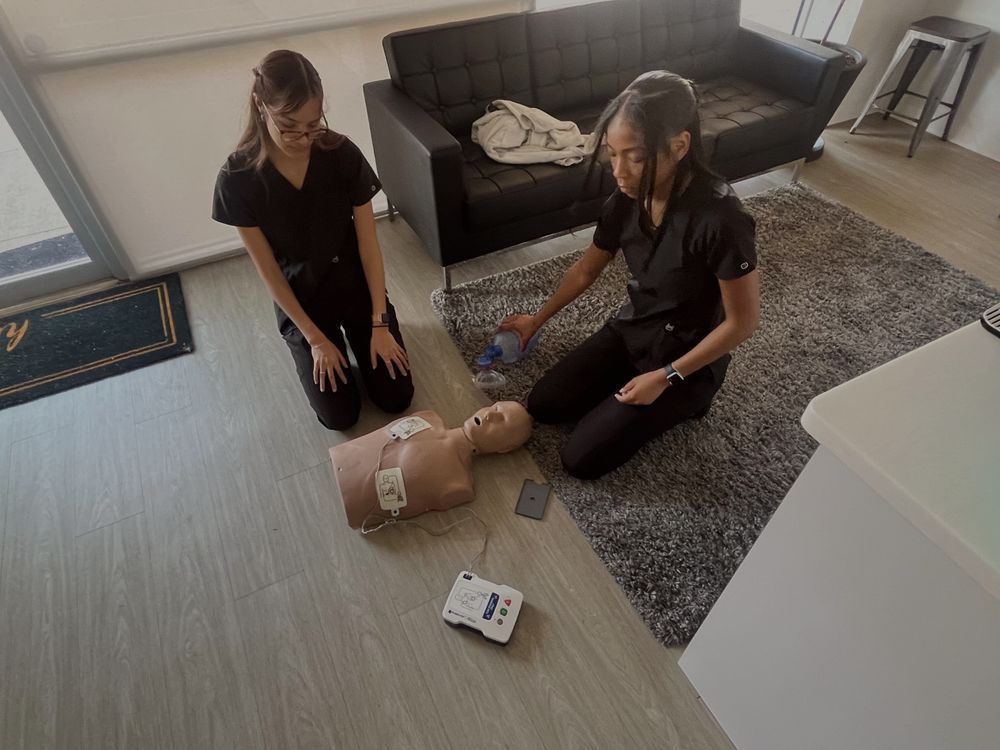
Start Your Healthcare Career With Confidence If you’re inspired to take the first step into healthcare, Pulse Medical Assistant School offers an online-first, 16-week medical assistant program designed for learners who want flexibility without sacrificing real-world experience. With intensive, in-person labs, Pulse gives aspiring medical assistants the clinical confidence and hands-on practice they need to help real patients receive real care. It’s the fastest, most supportive way to begin a meaningful and impactful career in the medical field.
You're only a few months from the medical assistant career you deserve.