Working Evening or Weekend Shifts as a Medical Assistant_ Pros and Cons

Working Evening or Weekend Shifts as a Medical Assistant: Pros and Cons
Medical assisting is a career built around flexibility, teamwork, and patient needs—and that often means schedules that don’t look like a traditional 9-to-5. Depending on where you work, you might be offered (or prefer) evening shifts, weekend shifts, or a mix of both. For many medical assistants (MAs), these schedules create opportunities: better work-life fit, different clinic workflows, or additional pay. For others, they can be challenging, especially when it comes to sleep, family routines, and long-term burnout prevention.
If you’re considering evenings or weekends, the best approach is to weigh the practical pros and cons based on your goals, personality, and the type of healthcare setting you want to work in. Some MAs thrive in fast-paced urgent care centers with evening rushes. Others prefer weekend coverage in specialty clinics with steadier patient volumes. The right choice isn’t universal—it’s personal. Let’s break down what to expect, what’s great about these shifts, and what you’ll want to plan for before you say “yes” to a nontraditional schedule.
Why Evening and Weekend Shifts Exist in Medical Assisting
Why Evening and Weekend Shifts Exist in Medical Assisting Healthcare doesn’t stop when office hours end. Many clinics and facilities extend hours to meet patient demand—especially for working adults, families with school schedules, and patients who can’t easily take time off. That’s why evening and weekend shifts are common in settings like:
Urgent care centers and walk-in clinics
Retail clinics and community health sites
Hospital outpatient departments
Specialty practices with extended hours (orthopedics, dermatology, pediatrics, etc.)
Imaging centers and labs with weekend appointments
Some primary care practices offering after-work slots
As an MA, your role in these environments may include patient intake, vital signs, EHR documentation, assisting providers, phlebotomy (if trained), room turnover, patient education, and follow-up coordination. The tasks often stay the same, but the pace and staffing patterns can feel very different after hours.
The Pros of Working Evening or Weekend Shifts as a Medical Assistant
The Pros of Working Evening or Weekend Shifts as a Medical Assistant 1) Schedule Flexibility That Fits Real Life
One of the biggest benefits is simple: nontraditional shifts can align better with your actual life. If you have responsibilities during weekday mornings—like childcare, classes, side work, or caregiving—an evening or weekend schedule can make it possible to stay employed without constantly feeling like you’re juggling two incompatible calendars.
Some MAs also like stacking shifts (for example, three 12-hour shifts or a set of weekend shifts) to free up weekdays for errands, appointments, or even just downtime. When your “off days” are weekday mornings, the world is quieter, lines are shorter, and life can feel easier to manage.
2) Potential for Shift Differentials or Extra Earnings
In many healthcare settings, evening, night, and weekend hours come with added pay—often called a shift differential. Not every employer offers it, and the amount varies, but it can add up over time. Even when the base pay is the same, nontraditional schedules sometimes open the door to overtime, holiday pay, or more available hours when weekday schedules are fully staffed.
If one of your near-term goals is to boost income, pay down debt, save for a big purchase, or build a financial cushion, evenings and weekends can be a strategic move—especially if you’re in a facility that consistently needs coverage.
3) Different Pace and Workflow (Sometimes Smoother, Sometimes Focused)
Evenings and weekends can feel different from the weekday rush. In some clinics, the patient flow may be steadier, with fewer scheduled procedures and more straightforward visits. In others—especially urgent care—there may be a predictable evening surge after school and work let out.
Either way, the workflow can become more “task-focused.” You might spend less time dealing with administrative back-and-forth and more time on direct patient care: rooming, vitals, documentation, and assisting. For MAs who enjoy hands-on work, that can be a big plus.
4) Strong Team Bonding and Independence
After-hours teams are often smaller. That can create a tighter, more supportive environment where everyone knows each other’s strengths and communicates clearly. Smaller teams also mean you may get more responsibility sooner—within your scope—because there are fewer layers between tasks getting done and the shift running smoothly.
If you’re someone who likes to stay busy, take initiative, and grow quickly, evening/weekend shifts can build confidence fast. You’ll learn to prioritize, anticipate provider needs, and handle patient concerns with professionalism, even when resources are limited.
5) Patient Access and Appreciation Can Feel Higher
A lot of patients coming in evenings and weekends are there because they truly need that time slot. They may be grateful your clinic is open when they can’t take time off work, can’t find childcare, or need urgent attention. That can translate into more patient appreciation—and for many MAs, it’s deeply motivating.
You may also see a broader variety of patients: people with chronic conditions trying to squeeze in follow-ups, parents bringing in sick kids, and patients who delayed care all week. That variety can sharpen your communication skills and your ability to stay calm under pressure.
The Cons of Working Evening or Weekend Shifts as a Medical Assistant
The Cons of Working Evening or Weekend Shifts as a Medical Assistant 1) Sleep Disruption and Energy Management Challenges
Evening and weekend shifts can take a real toll on your sleep—especially if you’re switching between day schedules and evening schedules in the same week. Many people underestimate how difficult it is to consistently sleep well when your workday ends late, your body wants to wind down, and the rest of the household is on a different routine.
Even if you’re not working overnight, late shifts can reduce sleep quality. You might get fewer hours, fall asleep later, and wake up feeling like you never fully recovered. Over time, that can affect mood, focus, and patience—three things you absolutely need in patient care.
2) Work-Life Balance Can Get Weird (Social and Family Trade-Offs)
Weekend shifts can mean you miss birthdays, family dinners, sports events, and social plans. Even if you have weekdays off, your friends and family may not. That mismatch can create tension, especially if your schedule rotates or changes frequently.
Evening shifts can also shift your “family time.” If you work 2 p.m. to 10 p.m., you may miss after-school hours with kids or evening routines with a partner. Over time, you may need a stronger planning system—and honest communication—to protect relationships and avoid resentment.
3) Staffing Can Be Leaner, Which Can Increase Stress
After-hours shifts often run with fewer staff. That can mean fewer hands available for rooming, phone calls, inventory, sterilization, or urgent tasks. If the clinic gets busy unexpectedly, the shift can feel intense—fast.
In urgent care and walk-in settings, patient flow can spike without warning. That can be stressful, especially for newer MAs who are still mastering documentation speed, triage workflows, and clinical confidence. Lean staffing can also mean fewer people available to train you during the shift, which may create a steeper learning curve.
4) Limited On-Site Resources or Support Services
During weekday hours, clinics often have full support: supervisors, billing teams, management, IT support, lab courier pickups, specialists on call, or extra clinical staff. On evenings and weekends, those resources may be reduced.
That doesn’t mean your job becomes unsafe—but it can mean you have to problem-solve more. If a patient’s insurance verification is complicated, if a system issue pops up, or if supplies run low, you may have to troubleshoot until the next day. That can feel frustrating if you prefer clear escalation pathways and immediate help.
5) Increased Risk of Burnout Without Good Boundaries
Burnout is possible in any schedule, but evenings and weekends can make it harder to recover if you’re not intentional. If you work weekends and still try to live a “weekend social life,” you may never truly rest. If you work evenings and spend mornings doing errands and chores, you might be “on” all day long.
The risk is highest when your schedule rotates frequently—like alternating weeks of mornings and evenings. Your body and brain struggle to adapt, and recovery becomes inconsistent. Over time, that can reduce job satisfaction and increase the urge to leave the role altogether.
How to Decide If Evening or Weekend Shifts Are Right for You
How to Decide If Evening or Weekend Shifts Are Right for You If you’re trying to choose wisely, consider these practical questions:
What do I need most right now—time flexibility, higher pay, faster experience growth, or stability?
What do I need most right now—time flexibility, higher pay, faster experience growth, or stability?
Do I function well later in the day, or do I feel drained at night?
Is my support system aligned with this schedule (childcare, partner, transportation, safety)?
Is the schedule fixed or rotating—and how far in advance is it posted?
Is the schedule fixed or rotating—and how far in advance is it posted?
What setting is it (urgent care vs. specialty clinic)? What’s the typical patient volume?
What setting is it (urgent care vs. specialty clinic)? What’s the typical patient volume? Will I get proper onboarding and support on my assigned shift?
Also, think about your “dealbreakers.” Some MAs love weekends but refuse late evenings. Others prefer evenings and want weekends protected. Knowing your boundaries in advance helps you choose an opportunity that’s sustainable—not just survivable.
Tips for Thriving on Evening or Weekend Shifts
If you take a nontraditional schedule, a few habits can make a huge difference:
Protect your sleep like it’s a clinical skill. Use a consistent wind-down routine, limit caffeine late in the shift, and consider blackout curtains if you sleep in.
Meal prep or plan easy meals. Late shifts can lead to skipping meals or grabbing whatever is convenient.
Set boundaries for your off time. If you’re off weekdays, don’t fill every “free” hour with tasks—build in real rest.
Communicate with your people. Shared calendars and predictable routines reduce friction at home.
Ask about safety and support. Especially if you’re leaving a facility late at night—parking, escorts, and protocols matter.
Track how you feel. If you notice irritability, chronic fatigue, or dread before shifts, those are signals to adjust your routine or advocate for change.
Final Takeaway: The “Best” Schedule Is the One You Can Sustain
Evening and weekend shifts can be a smart move for the right person in the right season of life. They can offer flexibility, extra earnings, and fast growth—especially in settings where you’re hands-on and constantly learning. But they also demand stronger recovery habits, clear boundaries, and honest assessment of how your body and relationships handle nontraditional hours.
If you’re exploring medical assisting as a career, it helps to choose training that prepares you for real-world environments—whether you end up in a weekday clinic or an after-hours care setting.
Train for Real Clinics, Real Patients, and Real Confidence
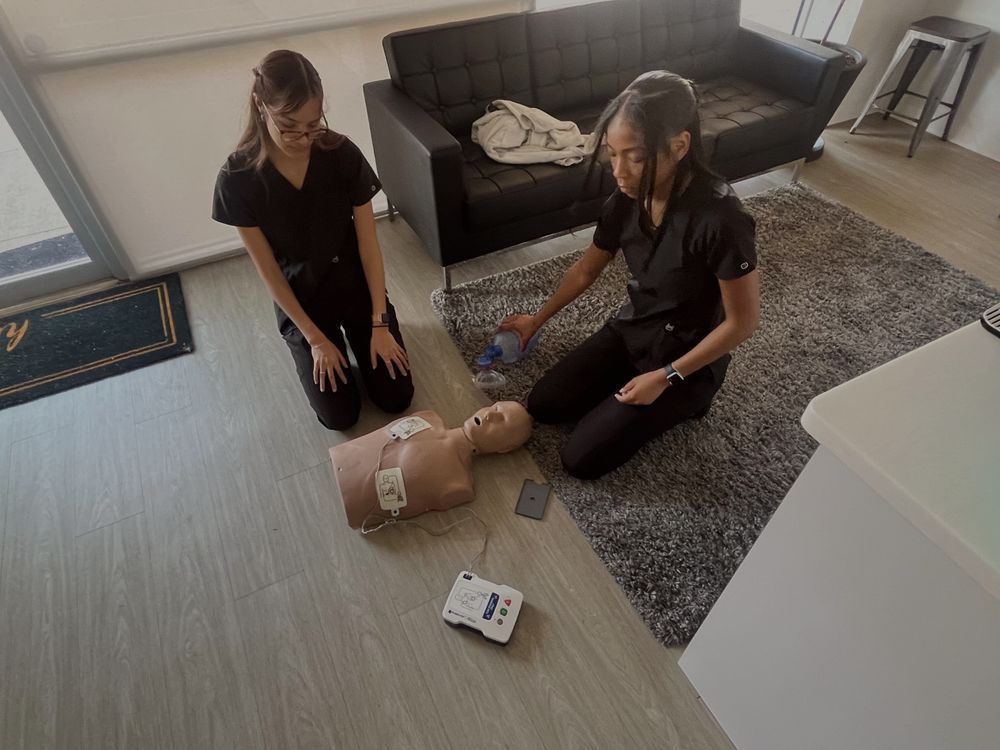
If you’re ready to step into medical assisting with the skills employers need, Pulse Medical Assistant School can help you prepare. Pulse is an online-first, 16-week medical assistant program with intensive, in-person labs designed to build hands-on confidence—so you’re ready to help real patients receive real care in the settings and schedules that fit your goals.
You're only a few months from the medical assistant career you deserve.