Working Holidays and Weekends_ What MAs Should Know
Working Holidays and Weekends: What MAs Should Know
Working as a medical assistant (MA) means stepping into a role where patient care comes first—sometimes even before your own weekend plans or holiday traditions. Healthcare never stops, and that often means MAs must be ready to support clinics, urgent care centers, and hospitals during times when most people are off work. While this can be an adjustment, many MAs also find that working holidays and weekends comes with unique rewards, professional growth opportunities, and a deeper sense of purpose.
Understanding what to expect can make these nontraditional hours far more manageable. With the right mindset—and a few practical strategies—medical assistants can succeed in schedules that include holidays and weekends while still maintaining a healthy balance. Below are five important things every MA should know about working during these timeframes.
Holiday and Weekend Shifts Are Common in Many Healthcare Settings
It’s no surprise that healthcare is a 24/7 field. Illnesses and injuries don’t take days off, which is why many clinics, urgent care facilities, specialty practices, and hospital departments need MAs available on weekends and during holidays. While some outpatient offices operate Monday through Friday, many others—especially high-demand clinics—offer extended hours to better serve their communities.
Weekend and holiday shifts are particularly common in:
Urgent care centers
Hospital outpatient departments
Specialty clinics with rotating on-call teams
Primary care practices offering extended hours
Telehealth support centers
For new medical assistants, learning this early helps set realistic expectations. You may not work every holiday or weekend, but you’ll likely be scheduled for some, especially as a newer team member. Many clinics rotate these shifts fairly so that everyone shares the responsibility.
Despite the demand, many MAs discover that nontraditional hours come with perks. Weekend shifts are often steadier and sometimes less hectic depending on the setting. Some employers also offer shift differentials, which means you earn a higher hourly wage for working weekends or holidays. This can make these shifts financially beneficial—even appealing—for MAs who prefer fewer weekday commitments.
Working Holidays and Weekends Helps You Strengthen Key MA Skills
Holiday and weekend shifts are known for being unpredictable, and that environment can help you level up your clinical and administrative abilities quickly. These shifts often have smaller teams on duty, meaning more responsibility falls on the MAs working them. That increased responsibility gives you hands-on practice and confidence that may take much longer to develop during traditional weekday hours.
For example, you may become stronger at:
For example, you may become stronger at: Triage and multitasking: With fewer staff available, MAs often help assess patient needs faster and more independently.
Patient communication: Patients visiting on weekends or holidays may be stressed, frustrated, or worried about missing work themselves—so these shifts are great training for calming, empathetic communication.
Problem-solving: When support staff is limited, MAs learn how to troubleshoot small issues on their own, from equipment setup to workflow adjustments.
Administrative adaptability:
Weekend and holiday shifts frequently require MAs to check patients in, answer phones, update records, manage scheduling changes, and coordinate care alongside clinical tasks.
These skills don’t just make you better at your job—they make you more promotable. Supervisors take notice of MAs who willingly take on challenging shifts and maintain professionalism under pressure. If you’re aiming for future roles like lead MA, supervisor, or healthcare administrator, excelling during weekend and holiday hours can help you stand out.
You’ll Need Strong Work–Life Balance Strategies
One of the biggest adjustments for medical assistants working holidays and weekends is learning how to manage personal time effectively. While your friends and family may have predictable schedules, yours might rotate, shift, or vary week to week. Without good planning, this can lead to burnout.
The key is to control the time you can control.
The key is to control the time you can control.
Here are some work–life balance strategies successful MAs use:
Plan ahead—especially for holidays
If you know you’ll be scheduled to work Christmas Eve, Thanksgiving weekend, or the Fourth of July, start planning early. Celebrate the holiday on another day with loved ones, or create new traditions that fit your schedule.
Communicate with your family
If people understand your schedule, they’re more likely to support it and help you maintain realistic expectations.
Create routines around your work hours
Consistent habits—meal prepping, regular sleep times, weekly check-ins with family—can help stabilize an otherwise irregular schedule.
Take advantage of quieter days off
Weekday days off can offer benefits most people overlook: shorter lines at stores, quieter errands, more flexible appointments, and peaceful time to yourself.
Use time off strategically
Many MAs choose PTO around weekends or holidays they must work, allowing them to balance high-demand days with proper rest.
The more intentional you are, the easier it becomes to thrive in a schedule outside the typical 9-to-5. And remember: many medical assistants prefer alternative shifts once they get used to them. They often enjoy shorter commutes, quieter shifts, and greater autonomy.
Weekend and Holiday Work Can Build Stronger Team Bonds
Healthcare teams rely on each other, especially during shifts when staffing is lighter. Working holidays and weekends often accelerates the sense of camaraderie among medical assistants, nurses, and providers.
These shifts tend to feel different from weekdays. The pace may vary, but there’s always a sense that teamwork matters more than ever. Over time, MAs who work weekends and holidays develop strong relationships with their colleagues because they:
Navigate unpredictable situations together
Support each other during challenging or emotional moments
Celebrate small holiday traditions in the clinic
Share snacks, meals, or decorations to brighten long shifts
Step into roles outside their typical duties to help the team
Because the team is smaller, MAs may also interact more closely with providers, giving them better mentorship and exposure to clinical decision-making. This enhanced teamwork experience can make you a more confident, collaborative MA—qualities that strengthen your résumé and your long-term career options.
In many clinics, the people who work holidays and weekends together become some of the most tightly bonded units in the workplace. That support network can make challenging shifts not only manageable but rewarding.
The Right Mindset Makes These Shifts More Meaningful
Even though working holidays and weekends can be demanding, many medical assistants say these shifts become some of the most meaningful parts of their job. Not only are you helping patients who genuinely need care outside normal office hours, but you’re also supporting your clinic’s mission during high-impact times.
Here’s how to keep your mindset positive and resilient:
Focus on the value you bring
Patients who come in on holidays or weekends are often in pain, anxious, or dealing with unexpected issues. Your professionalism and compassion can make a huge difference in their experience.
Embrace the opportunity to learn
These shifts are rich with real-world practice. View them as stepping stones to mastery instead of temporary inconveniences.
Celebrate small victories
A well-handled triage, a patient who leaves feeling reassured, a smooth workflow during a hectic shift—these moments matter.
Build personal traditions
Many MAs bring small touches to make holiday shifts enjoyable: wearing festive scrubs, bringing potluck dishes, exchanging treats, or decorating the break room.
Remember: your role has purpose
Working when others are off isn’t always easy, but your contribution directly impacts your community. You’re helping people access care when they need it most.
Working when others are off isn’t always easy, but your contribution directly impacts your community. You’re helping people access care when they need it most. When you can shift your perspective from “I have to work this holiday” to “I’m helping people who rely on our clinic,” these shifts become not just tolerable—but meaningful.
Start Your MA Career With Confidence
Start Your MA Career With Confidence Working holidays and weekends is a reality for many medical assistants, but it doesn’t have to be overwhelming. With clear expectations, strong communication, mindful scheduling, and an appreciation for the unique opportunities these shifts offer, MAs can thrive even when working outside standard hours.
Whether you’re just entering the field or already navigating a rotating schedule, understanding what these shifts look like will help you manage your workload, protect your personal time, and take advantage of the professional growth that comes with them.
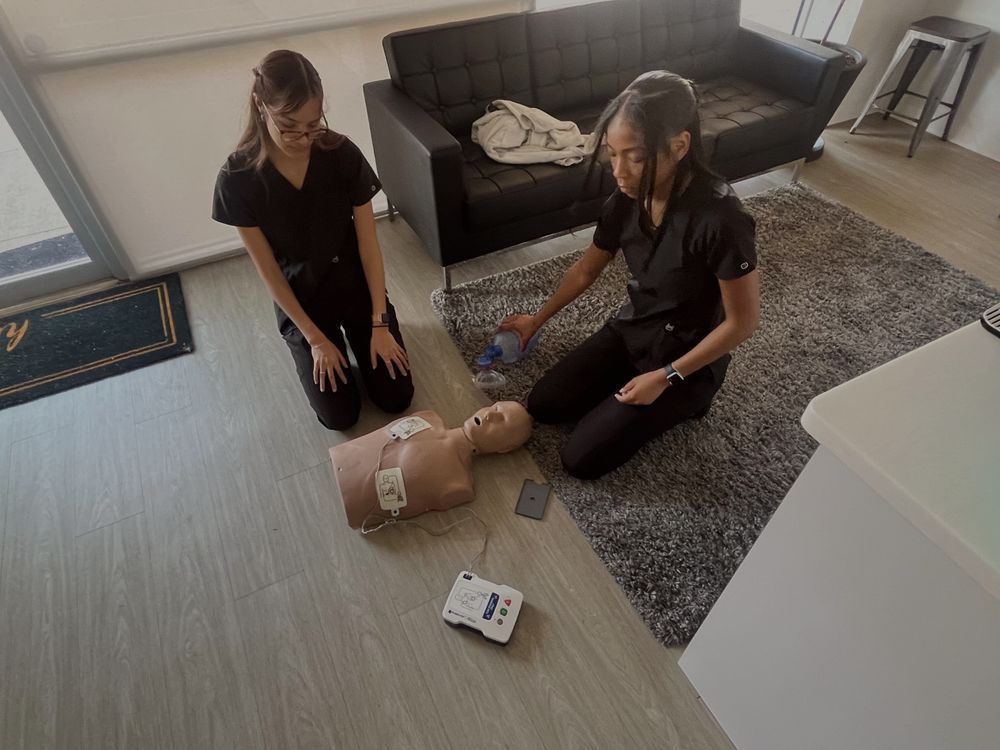
If you’re ready to become a medical assistant and want the skills to excel—no matter the shift—Pulse Medical Assistant School can help you get there. Pulse is an online-first, 16-week medical assistant program that includes intensive, in-person labs, giving you the real-world practice needed to help real patients receive real care. You’ll graduate with confidence, hands-on skills, and the preparation to succeed in fast-paced healthcare environments, including weekends and holidays.
You're only a few months from the medical assistant career you deserve.