Working in Mental Health Clinics as a Medical Assistant_ What to Expect
Working in Mental Health Clinics as a Medical Assistant: What to Expect
Mental health clinics play a critical role in today’s healthcare system, supporting patients who are navigating conditions such as anxiety, depression, bipolar disorder, PTSD, and substance use disorders. As awareness around mental health continues to grow, so does the demand for compassionate, well-trained healthcare professionals—including medical assistants—who can help clinics operate smoothly while supporting patient care.
For medical assistants, working in a mental health clinic can feel very different from roles in primary care, pediatrics, or specialty practices. The pace, patient interactions, and daily responsibilities often require a unique blend of clinical skill, emotional intelligence, and professionalism. If you’re considering this career path, understanding what to expect can help you prepare for both the challenges and rewards of working in a behavioral health setting.
A Different Type of Clinical Environment
One of the first things medical assistants notice when working in a mental health clinic is that the environment often feels calmer and more conversational than traditional medical offices. While physical exams and procedures may be limited, patient interactions tend to be longer and more focused on communication, observation, and support. Appointments may involve therapy sessions, psychiatric evaluations, or medication management rather than routine physical care.
That said, mental health clinics are still fast-moving healthcare environments. Schedules can be full, documentation requirements are extensive, and coordination between providers, therapists, and support staff is essential. Medical assistants are often the glue that holds daily operations together, ensuring that patients are checked in smoothly, records are accurate, and providers have what they need to deliver effective care.
Expect Strong Emphasis on Patient Communication and Trust
In mental health clinics, patient communication is central to nearly every task a medical assistant performs. Patients may arrive feeling anxious, overwhelmed, guarded, or emotionally vulnerable, and their comfort level can directly impact the success of their care. Medical assistants are often the first point of contact, setting the tone for each visit through respectful, calm, and nonjudgmental interactions.
Building trust takes time and consistency. Patients may disclose sensitive information, struggle to articulate their needs, or express frustration with their symptoms or treatment history. Medical assistants must listen actively, communicate clearly, and know when to escalate concerns to providers. Even small actions—such as explaining wait times or confirming next steps—can help patients feel respected and supported.
This emphasis on communication also extends to families and caregivers. In many mental health settings, medical assistants interact with parents, spouses, or guardians who are seeking clarity and reassurance. Balancing patient privacy with compassionate communication requires professionalism and a solid understanding of confidentiality guidelines.
Expect Limited Hands-On Procedures—but Expanded Administrative Responsibility
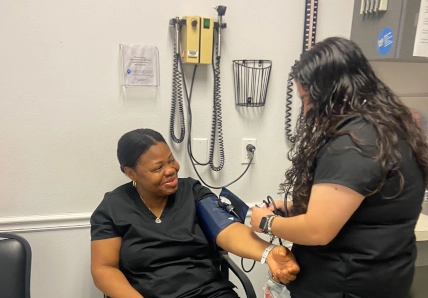
Unlike medical assisting roles in urgent care or family medicine, mental health clinics often involve fewer physical procedures. You may not take vitals at every visit, perform injections, or assist with minor surgeries. Instead, your responsibilities are more likely to center on administrative and clinical support tasks that keep care running efficiently.
Common duties may include preparing charts for psychiatric evaluations, verifying medication lists, coordinating lab work ordered by providers, and managing referrals or follow-up appointments. You may also assist with medication prior authorizations, insurance verification, and communication with pharmacies—especially for controlled or specialized psychiatric medications.
Documentation plays a significant role in behavioral health. Medical assistants must ensure records are accurate, timely, and compliant with both medical and mental health regulations. Attention to detail is critical, as errors can impact treatment plans, medication safety, or continuity of care.
Expect Heightened Focus on Confidentiality and Professional Boundaries
While confidentiality matters in all healthcare settings, it is especially critical in mental health clinics. Patients trust providers and staff with deeply personal information, and medical assistants must strictly adhere to privacy laws such as HIPAA while also following clinic-specific policies related to behavioral health records.
Medical assistants often handle sensitive documents, therapy notes, and medication histories that require careful access control. Understanding who is authorized to view or receive information—and when—is essential. Even casual conversations in hallways or waiting areas must be handled thoughtfully to avoid breaches of confidentiality.
Professional boundaries are equally important. Patients may become emotionally attached to staff members or seek reassurance beyond the medical assistant’s role. Knowing how to remain empathetic without crossing professional lines protects both the patient and the clinic. Training, clear protocols, and strong communication with supervising providers help medical assistants navigate these situations confidently.
Expect Collaboration With Multidisciplinary Care Teams
Mental health clinics often rely on multidisciplinary teams that include psychiatrists, psychologists, licensed therapists, social workers, and case managers. As a medical assistant, you become part of this collaborative ecosystem, supporting multiple professionals with different responsibilities and perspectives.
This collaboration requires flexibility and strong organizational skills. You may help coordinate appointments across departments, relay messages between providers, or assist with care planning logistics. Understanding each team member’s role allows you to anticipate needs and contribute more effectively to patient care.
Medical assistants in mental health settings also play a key role in continuity of care. By tracking follow-ups, monitoring medication changes, and ensuring documentation is complete, you help create a seamless experience for patients who may already feel overwhelmed by navigating the healthcare system.
Expect Emotional Challenges—and Meaningful Rewards
Working in a mental health clinic can be emotionally demanding. Medical assistants may encounter patients experiencing crisis, grief, trauma, or severe mental illness. Some days can feel heavy, especially when witnessing patients struggle or hearing difficult stories. Self-awareness, resilience, and access to supportive colleagues are essential for long-term success in this environment.
At the same time, the rewards can be profound. Many medical assistants find deep satisfaction in knowing they are helping patients access care that truly changes lives. Supporting someone through stabilization, progress, or recovery can be incredibly meaningful, even when your role is behind the scenes.
Mental health clinics also offer opportunities for personal and professional growth. You develop advanced communication skills, emotional intelligence, and a strong understanding of behavioral health systems—experience that can open doors to leadership roles or further specialization within healthcare.
Preparing for a Career in Mental Health Medical Assisting
Preparing for a Career in Mental Health Medical Assisting Success in a mental health clinic starts with strong foundational training. Medical assistants need a solid understanding of medical terminology, electronic health records, professionalism, and patient communication. Exposure to real-world clinical environments helps build confidence and prepares students for the nuances of behavioral health settings.
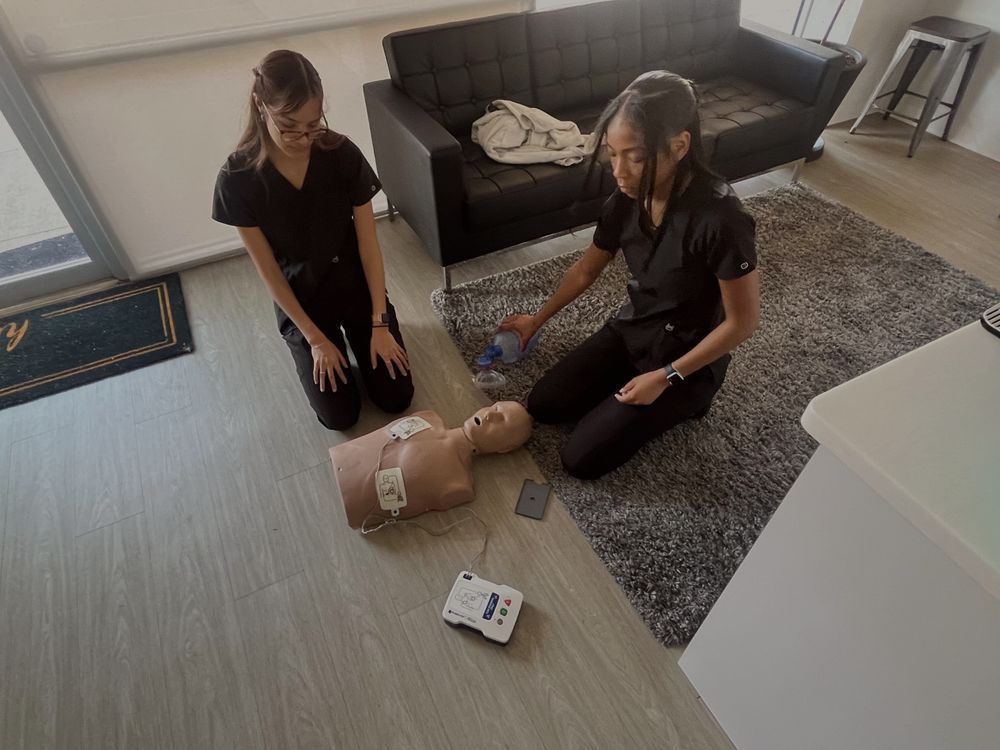
Programs that combine online coursework with hands-on lab experience are particularly valuable for aspiring medical assistants. This blended approach allows students to learn theory at their own pace while still gaining practical skills that translate directly to patient care. In-person labs provide opportunities to practice scenarios, ask questions, and develop confidence before entering the workforce.
Take the Next Step With Pulse Medical Assistant School
Take the Next Step With Pulse Medical Assistant School If you’re interested in working in mental health clinics—or any patient-centered healthcare setting—choosing the right training program matters. Pulse Medical Assistant School offers an online-first, 16-week medical assistant program designed for today’s learners, combining flexible coursework with intensive, in-person labs that focus on real-world clinical skills.
Pulse’s hands-on training helps aspiring medical assistants build the confidence they need to support real patients in real healthcare environments, including behavioral health and mental health clinics. With a curriculum grounded in practical application and professional readiness, Pulse Medical Assistant School prepares students to enter the workforce ready to make an impact.
If you’re ready to start a meaningful career in healthcare—one that allows you to support patients, collaborate with care teams, and grow professionally—Pulse Medical Assistant School can help you take that next step with confidence.
You're only a few months from the medical assistant career you deserve.