Working in Urgent Care as a Medical Assistant_ What to Know

Working in Urgent Care as a Medical Assistant: What to Know
Working in urgent care offers medical assistants a fast-paced, unpredictable, and deeply rewarding career path. Unlike traditional clinics, urgent care centers operate on walk-in visits and treat a wide variety of immediate but non-emergency needs. That means medical assistants in these settings must be quick on their feet, adaptable, and confident in both clinical and administrative responsibilities. For many aspiring healthcare professionals, urgent care becomes an ideal environment to build clinical experience, grow essential patient-care skills, and contribute meaningfully to a team that helps patients when they need it most.
But urgent care also brings unique challenges, from fluctuating patient volumes to rapidly shifting priorities. Understanding what to expect—and how to prepare—can make a major difference in your confidence, effectiveness, and ability to thrive in this high-demand field. Below are six essential recommendations for working in urgent care as a medical assistant, designed to help you navigate the pace, maintain professionalism, and deliver exceptional patient care from day one.
Expect Constant Variety in Patient Cases
Urgent care facilities treat everything from sprains and minor fractures to flu symptoms, allergic reactions, and workplace injuries. As a medical assistant, this means each shift brings new learning opportunities and requires you to stay mentally flexible. You might go from assisting with X-rays to performing a strep test to preparing a room for wound care—all within minutes.
This variety is one of the biggest advantages of working in urgent care because it exposes you to a broader range of clinical procedures than many traditional outpatient settings. You’ll become comfortable with frequent transitions, learn to adapt quickly, and gain experience that strengthens your problem-solving skills.
However, it also demands strong organization and sharp attention to detail. With a wide range of cases coming through the door, it’s important to ensure every chart is updated accurately, every supply is prepared correctly, and every patient receives clear and consistent communication. The more efficiently you manage the flow of tasks, the better the entire clinic operates.
Stay Prepared for High Patient Volumes
Urgent care centers often experience significant fluctuations in patient volume. Some days may feel slow, while others can bring nonstop walk-ins from open to close. Weekends, evenings, and flu season often increase the demand even further. Medical assistants play an essential role in keeping the clinic running smoothly during these busy periods.
Fast triage, efficient rooming, and organized workflow management become vital when patient numbers spike. By mastering quick but accurate intake processes—such as verifying vitals, documenting symptoms, and updating medical histories—you help providers see patients sooner and reduce bottlenecks.
High patient volume can feel overwhelming at first, but over time you learn strategies for pacing yourself and prioritizing tasks. This includes anticipating what providers will need, preparing rooms ahead of time, and communicating closely with your team. Staying calm under pressure not only improves the patient experience but also helps you maintain your own focus and energy through even the busiest shifts.
Strengthen Your Communication Skills
Clear communication is essential in urgent care, where patients often arrive anxious, uncomfortable, or unsure about the severity of their symptoms. As one of the first people they interact with, your ability to listen attentively, answer questions, and provide reassurance helps set the tone for a positive experience.
You’ll communicate constantly—not only with patients but also with providers, nurses, and other team members. Urgent care relies heavily on quick, accurate information exchange, so verbal clarity and concise charting are crucial. Miscommunications can lead to delays, frustration, or errors that affect patient care.
In this environment, you’ll also develop a communication style that balances efficiency with empathy. Even during high-volume hours, taking a moment to offer calm explanations or check in on a patient’s comfort level can make a meaningful difference. Over time, you’ll become skilled at reading situations quickly and adapting your approach to support both patients and colleagues effectively.
Build Confidence in Clinical Procedures
Urgent care medical assistants often perform a wider range of clinical tasks than those in standard outpatient clinics. This can include assisting with minor procedures such as wound dressing, splinting, administering injections, performing diagnostic tests, and supporting providers during exams. Because urgent care sees so many types of conditions, MAs grow comfortable with hands-on skills quickly.
Training programs and on-the-job experience help build your competence, but your confidence also grows through repetition. The more procedures you observe and assist with, the more prepared you’ll feel when providers rely on your support.
To excel, make ongoing learning part of your routine. Ask questions, review protocols, and observe as many procedures as possible. Staying updated on clinical best practices ensures you provide safe, consistent, and effective care no matter what type of case comes through the door. Your willingness to continue expanding your skill set will not only benefit patients but also make you a valued member of the urgent care team.
Learn to Prioritize and Multitask Effectively
Because urgent care moves quickly, multitasking is not just helpful—it’s essential. Medical assistants often juggle patient intake, room preparation, supply restocking, administrative duties, and clinical tasks simultaneously. The ability to prioritize helps you stay organized and prevent important steps from being overlooked.
For example, if a new patient arrives with urgent symptoms while you’re preparing lab samples, your ability to identify the more time-sensitive task ensures the clinic responds appropriately. Prioritization also involves planning ahead: keeping rooms stocked, anticipating needs, and adjusting your workflow based on the clinic’s pace.
Multitasking becomes easier the longer you work in urgent care. As you learn common patterns, develop efficient systems, and understand provider preferences, you’ll naturally become faster and more confident. The key is balancing speed with accuracy—two elements that define successful urgent care operations.
Maintain Professional Composure in Stressful Moments
Urgent care differs from emergency rooms, but patients still arrive in situations that feel urgent or distressing. Some may be in pain, worried about a loved one, or frustrated by long wait times. Keeping your composure helps stabilize the environment and ensures patients feel supported even when the clinic is under pressure.
Professional composure includes managing your tone, staying patient during difficult interactions, and keeping emotions in check during chaotic moments. It also involves caring for yourself—taking breaks when allowed, hydrating, and practicing small habits that help you reset during a busy shift.
Your ability to remain calm directly influences the overall energy of the clinic. Providers work more efficiently, patients feel more at ease, and the workflow becomes more manageable when medical assistants lead with steady professionalism. Over time, this resilience becomes one of your most valuable strengths in urgent care.
Start Your Medical Assistant Journey with Confidence
Start Your Medical Assistant Journey with Confidence Working in urgent care as a medical assistant offers a unique blend of challenge, excitement, and opportunity. You’ll experience a wide range of clinical tasks, meet patients in critical moments, and become an essential support to providers and nurses. With preparation, adaptability, and a commitment to continuous learning, you can thrive in this environment and build a strong foundation for future healthcare roles.
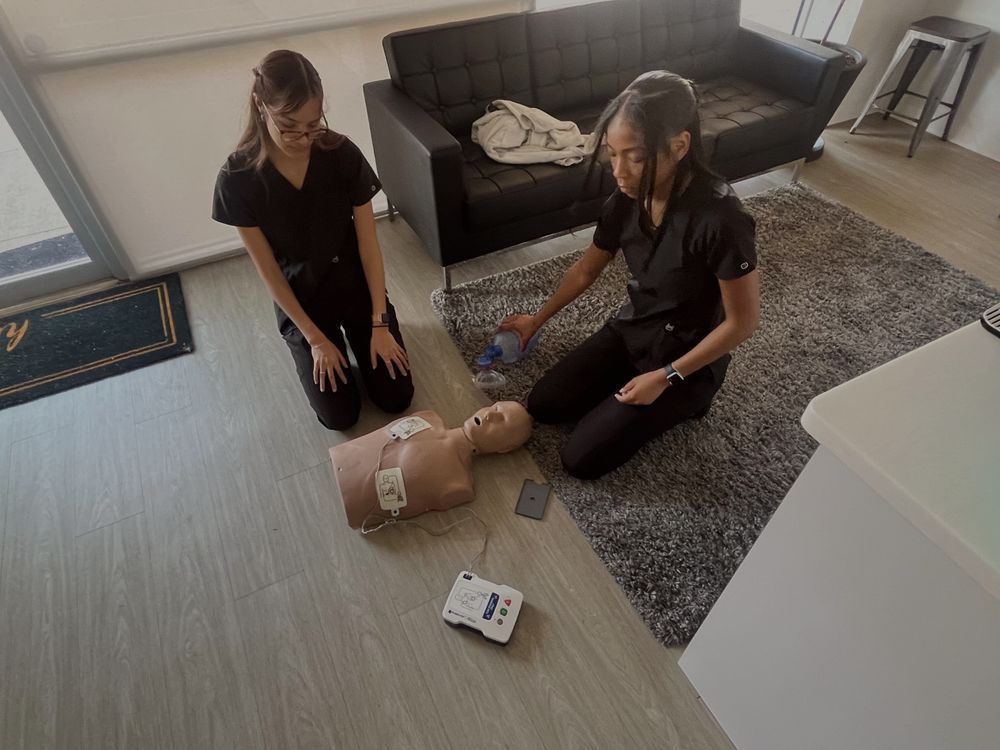
If you’re ready to build the clinical skills, professionalism, and confidence needed to succeed in urgent care or any other healthcare setting, Pulse Medical Assistant School can help you get there. Pulse is an online-first, 16-week medical assistant program with intensive, in-person labs that give aspiring medical assistants the real-world experience they need to help real patients receive real care. It’s a flexible, career-focused path designed to prepare you for fast-paced environments—like urgent care—where skilled medical assistants make a meaningful impact every day.
You're only a few months from the medical assistant career you deserve.