Working With Non-English-Speaking Patients_ A Quick MA Guide

Working With Non-English-Speaking Patients: A Quick MA Guide
Medical assistants play a critical role in creating positive patient experiences, especially for individuals who face language barriers in healthcare settings. For non-English-speaking patients, navigating appointments, understanding instructions, and communicating concerns can be stressful and intimidating. In these moments, medical assistants often become the first—and most important—point of connection between patients and providers.
As patient populations become more diverse, medical assistants must be prepared to support clear, respectful, and accurate communication across languages and cultures. This quick guide outlines five best practices medical assistants can use when working with non-English-speaking patients to improve safety, trust, and quality of care—while remaining compliant with professional and ethical standards.
Use Professional Medical Interpreters Whenever Possible
One of the most important best practices for working with non-English-speaking patients is knowing when and how to use professional medical interpreters. Medical interpreters—whether in person, by phone, or via video—are trained to accurately convey medical terminology, patient concerns, and provider instructions without adding personal interpretation or bias. Relying on professional interpreters helps reduce misunderstandings that could lead to errors in diagnosis, treatment, or medication use.
Medical assistants should never assume that a patient’s limited English proficiency means they understand basic medical concepts. Even patients who can hold casual conversations in English may struggle with clinical terms, consent forms, or discharge instructions. When language barriers are present, offering an interpreter demonstrates respect for the patient’s needs and supports informed decision-making.
It is also important for medical assistants to understand that family members, friends, or children should not be used as interpreters in most clinical situations. These individuals may lack the medical vocabulary needed to communicate accurately, and sensitive information may be filtered or withheld. By proactively arranging interpreter services and documenting their use, medical assistants help ensure patient safety and compliance with healthcare regulations.
Speak Clearly, Slowly, and Avoid Medical Jargon
When interacting directly with non-English-speaking patients, medical assistants should adjust their communication style to support understanding. Speaking clearly, at a moderate pace, and using simple language can make a significant difference. Short sentences and common words are easier to process, especially for patients who may be translating information mentally or relying on partial language comprehension.
Avoiding medical jargon is especially important. Terms like “hypertension,” “benign,” or “administer” may be confusing even for English-speaking patients, and they can be especially challenging for those with limited English proficiency. Medical assistants should practice translating complex ideas into plain language, such as saying “high blood pressure” instead of “hypertension” or “take this medicine” instead of “administer this medication.”
It is also helpful to pause frequently and check for understanding rather than rushing through explanations. Medical assistants should resist the urge to speak louder, as volume does not improve comprehension and can feel disrespectful. Thoughtful, simplified communication helps patients feel more comfortable and reduces the risk of miscommunication.
Use Visual Aids and Written Translations to Support Understanding
Visual tools can be powerful communication aids when language barriers exist. Medical assistants can use diagrams, pictures, models, and demonstration techniques to help explain procedures, medication instructions, or body systems. Visual aids can reinforce verbal explanations and help patients grasp concepts they may not fully understand through words alone.
Many healthcare facilities also provide translated materials such as intake forms, consent documents, after-visit summaries, and medication instructions. Medical assistants should know where to find these resources and offer them whenever appropriate. Providing written information in a patient’s preferred language helps reinforce instructions and allows patients to review details later at home.
When using visual or written tools, medical assistants should still verify understanding by asking patients to explain information back in their own words or through gestures. This approach helps identify gaps in comprehension and allows corrections before the patient leaves the clinical setting. Combining verbal communication with visual support creates a more inclusive and effective patient experience.
Demonstrate Cultural Sensitivity and Respect
Language barriers often intersect with cultural differences, making cultural sensitivity a vital skill for medical assistants. Non-English-speaking patients may have different beliefs about healthcare, family involvement, pain expression, or authority figures. Medical assistants should approach each interaction with curiosity, respect, and an open mindset rather than assumptions.
Simple behaviors—such as using correct name pronunciation, observing personal space preferences, and being mindful of cultural norms—can help build trust. Medical assistants should also be aware that some patients may feel hesitant to ask questions or express confusion due to cultural expectations or fear of embarrassment. Creating a welcoming and non-judgmental environment encourages patients to speak up.
Cultural sensitivity also includes recognizing that patients may rely on family members for support while still ensuring professional boundaries are maintained. By showing patience, empathy, and respect, medical assistants help reduce anxiety and foster stronger patient-provider relationships, even when language differences exist.
Confirm Understanding and Document Communication Clearly
Ensuring that non-English-speaking patients truly understand their care instructions is a critical responsibility for medical assistants. Rather than asking yes-or-no questions like “Do you understand?”, medical assistants should use teach-back methods whenever possible. Asking patients to demonstrate how they will take a medication or explain follow-up instructions helps confirm comprehension in a respectful way.
Medical assistants should also be diligent about documenting communication efforts in the patient’s chart. This may include noting the use of an interpreter, the patient’s preferred language, and any educational materials provided. Clear documentation supports continuity of care and helps other members of the healthcare team understand how information was shared.
When misunderstandings are identified, medical assistants should address them promptly and seek additional support if needed. Taking the time to verify understanding not only improves patient outcomes but also reduces liability risks and strengthens overall care quality.
Preparing for Real-World Communication as a Medical Assistant
Preparing for Real-World Communication as a Medical Assistant Working with non-English-speaking patients is becoming increasingly common across healthcare settings, from primary care offices to specialty clinics. Medical assistants who develop strong communication skills, cultural awareness, and confidence using interpreter resources are better prepared to support diverse patient populations effectively.
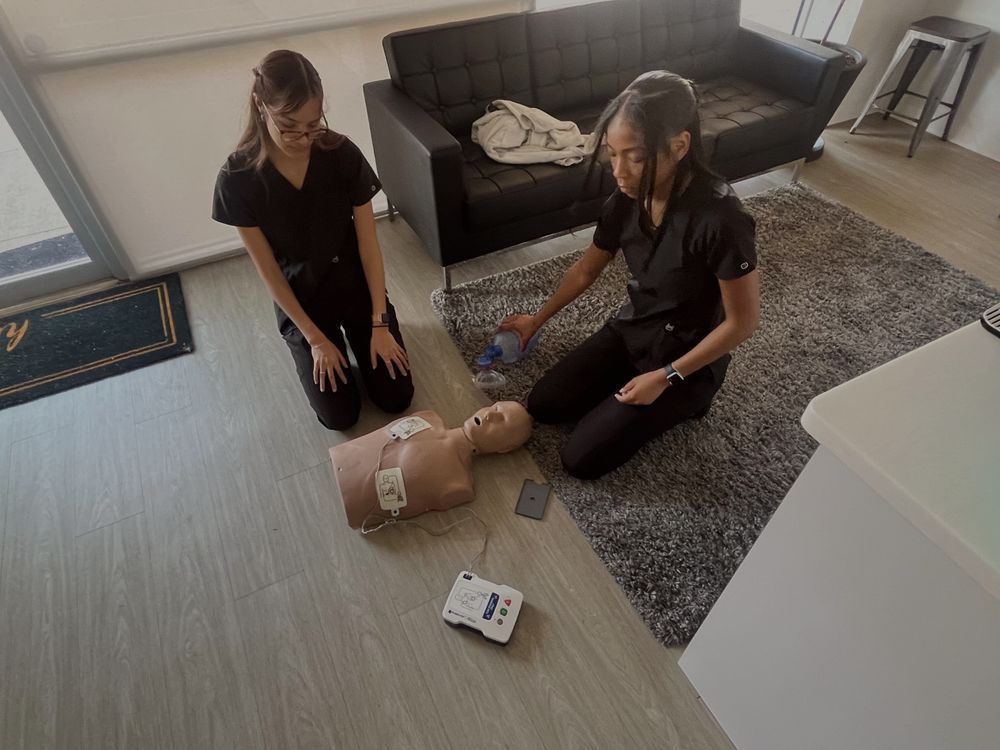
Training programs that emphasize real-world scenarios, patient communication, and hands-on practice help medical assistants feel more confident navigating language barriers. Exposure to simulated patient interactions and clinical labs allows students to apply best practices in a supportive learning environment before entering the workforce.
Start Your Medical Assisting Career With the Right Training
Start Your Medical Assisting Career With the Right Training If you’re interested in becoming a medical assistant who feels confident working with diverse patient populations, the right training matters. Pulse Medical Assistant School offers an online-first, 16-week medical assistant program designed to prepare students for real clinical environments. The program combines flexible online coursework with intensive, in-person labs, giving aspiring medical assistants hands-on experience with patient communication, clinical skills, and professional best practices.
At Pulse Medical Assistant School, students don’t just learn theory—they build the confidence to help real patients receive real care. Whether you’re preparing to work in a multilingual community or a fast-paced medical office, Pulse’s focused training helps you develop the skills employers value most.
You're only a few months from the medical assistant career you deserve.