Working with Pediatric Patients as a Medical Assistant
Working with Pediatric Patients as a Medical Assistant
Working with pediatric patients can be one of the most rewarding—and challenging—areas of medical assisting. Children are not simply “small adults.” They have unique physical, emotional, and developmental needs that shape every interaction, from taking vital signs to explaining procedures. For medical assistants (MAs), success in pediatric care requires a blend of clinical knowledge, communication skills, patience, and emotional intelligence.
Medical assistants often serve as the first point of contact for pediatric patients and their families. Whether you’re working in a pediatric clinic, family practice, urgent care center, or specialty office, your role helps set the tone for the entire visit. Understanding what makes pediatric care different—and how to navigate those differences—can help you deliver better care while building confidence in both young patients and their caregivers.
Understanding Developmental Differences Is Essential
Understanding Developmental Differences Is Essential One of the most important things to know about working with pediatric patients as a medical assistant is that children move through distinct developmental stages, each with its own needs and behaviors. Infants, toddlers, school-aged children, and adolescents all experience healthcare environments differently. A one-size-fits-all approach simply doesn’t work.
For example, toddlers may be fearful of strangers and medical equipment, while school-aged children often want explanations and reassurance. Adolescents may be more concerned about privacy and independence. Medical assistants must adjust their communication style, tone, and expectations based on a child’s age and developmental level.
Understanding these differences helps medical assistants anticipate reactions and reduce anxiety. Explaining a blood pressure cuff as a “hug for your arm” may comfort a young child, while a teenager may appreciate a straightforward explanation of what’s happening and why. Pediatric care requires flexibility and empathy, both of which grow with experience and training.
Communication Involves Both the Child and the Caregiver
Communication Involves Both the Child and the Caregiver Another key aspect of pediatric medical assisting is learning how to communicate effectively with both children and their caregivers. Parents and guardians play a central role in a child’s healthcare decisions, and medical assistants must balance addressing the child’s needs while keeping caregivers informed and reassured.
Clear communication helps build trust. Medical assistants often explain procedures, give instructions, collect health histories, and answer questions—all while managing emotions on both sides. A nervous child can make a parent anxious, and a worried parent can increase a child’s stress. Remaining calm, confident, and compassionate helps create a more positive experience for everyone involved.
Medical assistants should also be mindful of language and cultural differences when communicating with families. Using simple, clear explanations and confirming understanding can prevent misunderstandings and improve compliance with care instructions. In pediatric settings, strong communication skills are just as important as clinical ones.
Creating a Child-Friendly Environment Matters
Creating a Child-Friendly Environment Matters Pediatric medical assistants play an important role in making healthcare settings feel safe and welcoming for children. While clinics may already include child-friendly décor or toys, the MA’s behavior often has the greatest impact on a child’s comfort level.
Simple actions—such as smiling, kneeling to a child’s eye level, or speaking in a calm and friendly voice—can make a big difference. Taking a moment to introduce yourself, explain what will happen next, or offer reassurance helps children feel more in control of an unfamiliar situation.
Medical assistants also help maintain a safe environment by following infection control protocols, properly sanitizing equipment, and ensuring exam rooms are prepared for pediatric patients. Creating a space where children feel comfortable encourages cooperation, which makes clinical tasks easier and more effective.
Pediatric Clinical Skills Require Special Attention
While many core medical assistant skills apply across patient populations, working with pediatric patients requires additional care and precision. Tasks such as measuring vital signs, administering vaccines, collecting specimens, and assisting with exams must be adapted for smaller bodies and developing systems.
For example, pediatric vital signs differ from adult norms, and medical assistants must understand what is considered healthy at different ages. Proper positioning and technique are especially important to ensure accurate measurements and minimize discomfort. Vaccinations, a common part of pediatric care, also require skill, speed, and reassurance to help reduce fear and pain.
Medical assistants must remain attentive to safety at all times, particularly with younger children who may move unexpectedly or become distressed. Training and hands-on practice help MAs develop the confidence and competence needed to perform pediatric clinical tasks effectively.
Emotional Awareness and Patience Are Critical
Emotional Awareness and Patience Are Critical Perhaps one of the most overlooked aspects of pediatric medical assisting is emotional awareness. Children may cry, resist procedures, or express fear in ways that adults typically do not. Medical assistants must respond with patience, understanding, and professionalism—even in challenging situations.
It’s important to remember that a child’s behavior is often driven by fear or discomfort rather than defiance. Staying calm, offering comfort, and working efficiently can help de-escalate stressful moments. In many cases, the medical assistant’s demeanor sets the emotional tone for the visit.
Medical assistants working with pediatric patients also support families during difficult moments, such as receiving a diagnosis or managing chronic conditions. Being emotionally present while maintaining professional boundaries is a skill that develops through experience and intentional training.
Building Long-Term Relationships in Pediatric Care
Building Long-Term Relationships in Pediatric Care Unlike some healthcare settings where visits are brief or one-time, pediatric care often involves long-term relationships. Children return for routine checkups, vaccinations, and follow-up visits over many years. Medical assistants may watch patients grow from infancy into adolescence.
This continuity allows medical assistants to build trust with both children and their families. Familiar faces can reduce anxiety and make appointments feel less intimidating. Over time, these relationships contribute to better patient experiences and improved health outcomes.
Medical assistants who enjoy working with pediatric patients often find this continuity deeply fulfilling. Being part of a child’s healthcare journey—and supporting families along the way—adds meaning and purpose to the role.
Training Makes a Difference in Pediatric Confidence
Training Makes a Difference in Pediatric Confidence Working with pediatric patients requires confidence, preparation, and hands-on experience. Medical assistants who receive focused training are better equipped to handle the unique challenges of pediatric care, from developmental communication to specialized clinical skills.
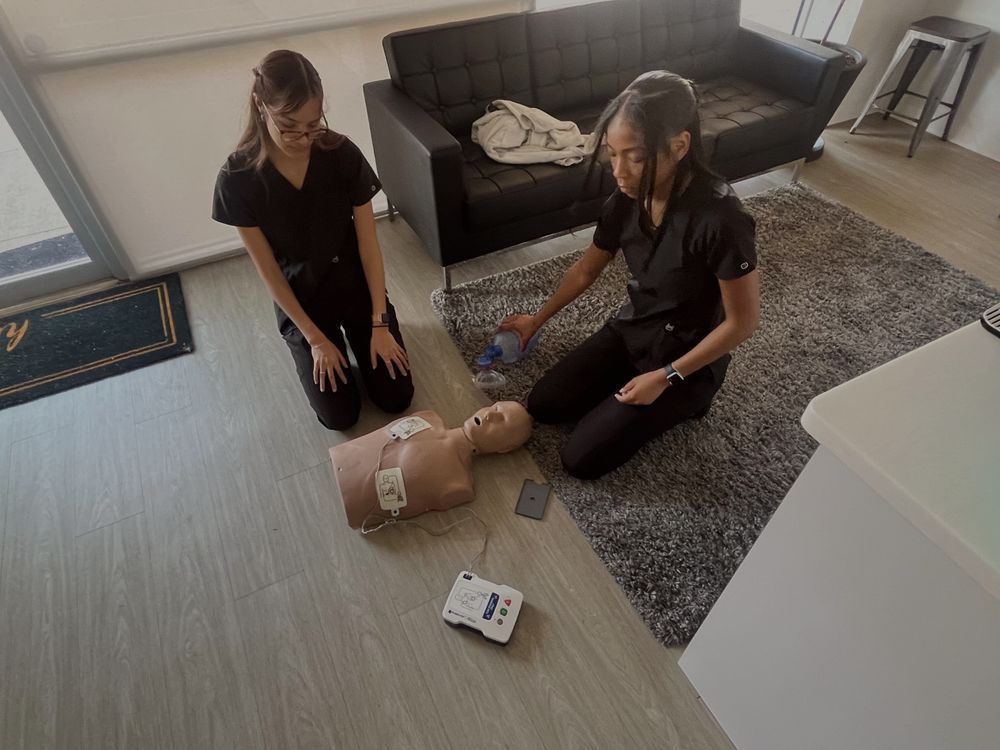
Exposure to pediatric scenarios during training helps aspiring medical assistants feel more prepared when entering the workforce. Practice in real-world or lab settings allows students to refine techniques, ask questions, and learn how to respond to different situations before working with actual patients.
Strong training builds confidence not only in clinical abilities but also in professionalism and patient interaction. For medical assistants interested in pediatric care, choosing the right training program is an important first step.
A Rewarding Path for Compassionate Medical Assistants
A Rewarding Path for Compassionate Medical Assistants Working with pediatric patients as a medical assistant can be demanding, but it is also incredibly rewarding. Helping children feel safe during medical visits, supporting families, and contributing to positive healthcare experiences makes a lasting impact.
Medical assistants who thrive in pediatric settings often possess empathy, adaptability, and a genuine desire to help others. With the right training and mindset, pediatric medical assisting can offer long-term career satisfaction and growth opportunities across a wide range of healthcare environments.
Take the Next Step Toward a Career in Medical Assisting
Take the Next Step Toward a Career in Medical Assisting If you’re interested in working with pediatric patients—or any patient population—strong training is essential. Pulse Medical Assistant School offers an online-first, 16-week medical assistant program designed to prepare students for real-world healthcare environments. With intensive, in-person labs, Pulse helps aspiring medical assistants build hands-on skills, confidence, and professionalism—so they’re ready to help real patients receive real care from day one.
You're only a few months from the medical assistant career you deserve.