Your Complete Guide to Starting a Medical Assistant Career
Your Complete Guide to Starting a Medical Assistant Career
Starting a medical assistant career is one of the fastest ways to begin working in healthcare. Medical assistants support physicians, nurses, and care teams by taking vital signs, preparing patients for exams, scheduling appointments, managing electronic health records, and helping ensure smooth clinical operations. It’s a role that blends people skills, technical ability, and a genuine desire to make a difference—making it ideal for anyone who wants to work directly with patients without spending years in school.
The demand for medical assistants continues to grow as more clinics, outpatient centers, and specialty practices expand their teams. According to industry projections, medical assisting remains one of the most reliable entry points into healthcare, offering strong job stability and opportunities to grow into leadership, billing and coding, phlebotomy, or even nursing roles. If you’re ready to enter a field where your work genuinely matters, here’s your complete guide to getting started.
Step 1: Understand the Medical Assistant Role and What It Involves
Before beginning the journey, it’s important to clearly understand what medical assistants actually do. Although duties vary by state and employer, medical assistants typically perform a mix of administrative and clinical responsibilities. This means you’ll support your healthcare team in multiple ways throughout the day, keeping both the front office and exam rooms running smoothly.
On the clinical side, medical assistants frequently measure vital signs, perform patient intake interviews, assist during examinations, handle specimen collection, sterilize instruments, and ensure exam rooms are properly stocked. On the administrative side, they update patient charts, schedule appointments, process insurance information, handle patient communications, and support the practice’s daily workflow. This combination of tasks makes the medical assistant role ideal for people who like variety, problem-solving, and staying busy.
Understanding these expectations early on helps you determine whether the role fits your interests, personality, and career goals. It also gives you a clear foundation for the skills you’ll need to develop as you begin training. Medical assisting is hands-on, fast-paced, and deeply meaningful—perfect for anyone who wants to contribute directly to patient care.
Step 2: Complete a Medical Assistant Program with Hands-On Training
The most important step for becoming a medical assistant is enrolling in a high-quality training program that prepares you for real patient environments. While some jobs offer on-the-job training, most employers prefer candidates who have completed a structured program—especially one that includes in-person labs, clinical simulations, and instructor-guided practice.
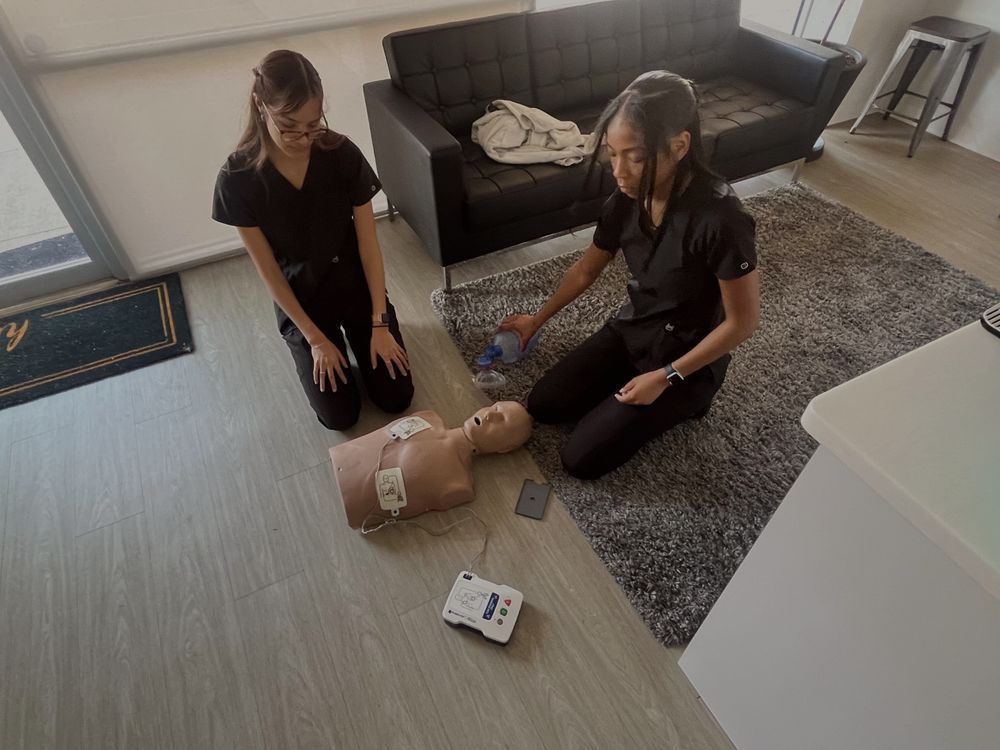
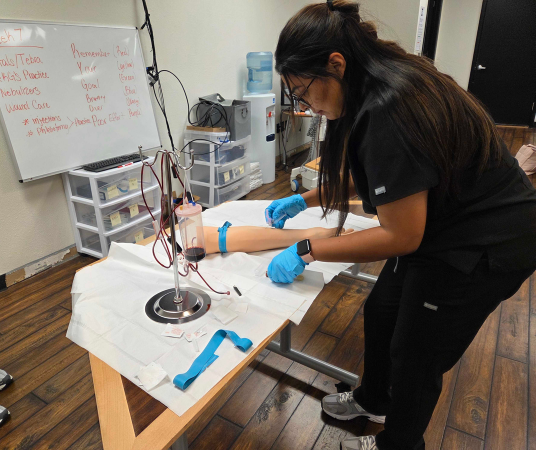
A great option is a 16-week medical assistant program that combines online coursework with intensive, in-person labs. This hybrid approach gives students the best of both worlds: the flexibility of online learning and the essential, real-world skill-building that only in-person training can deliver. During labs, students learn how to take vital signs accurately, administer injections, perform EKGs, conduct specimen collection, and practice standard clinical procedures under the supervision of experienced healthcare professionals.
This form of hands-on training builds confidence and competence—two qualities employers value highly. By the time students complete the program, they’re comfortable interacting with patients, familiar with essential equipment, and prepared to handle the responsibilities of a medical assistant from day one.
Step 3: Build Essential Clinical and Administrative Skills
Although your training program lays the foundation, becoming a strong medical assistant requires practicing and refining a core set of skills. Successful MAs are equally comfortable using medical software as they are taking blood pressure or assisting during an exam. The more well-rounded you become, the more valuable you’ll be to employers.
On the clinical side, focus on mastering tasks like measuring vital signs, performing EKGs, preparing exam rooms, sterilizing equipment, and supporting providers during patient care. Understanding infection control protocols, HIPAA rules, and medical terminology will also serve you well as you transition into a professional setting.
Administrative skills are just as important. Most medical assistants interact with electronic health record (EHR) systems daily, meaning you’ll need strong computer skills and attention to detail. Sharpening your communication abilities, learning to navigate appointment scheduling systems, and understanding how insurance verification works will help you stand out to hiring managers.
As you build these competencies, remember that medical assistants are often the first and last people patients interact with during their visit. Your professionalism, patience, and empathy directly shape a patient’s experience. Employers look for team members who can remain calm in busy environments, multitask effectively, and provide excellent customer service.
Step 4: Prepare for National Certification Exams
While certification is not legally required in every state, it is widely encouraged—and often preferred—by employers. Earning a national certification demonstrates professionalism, validates your skills, and opens the door to higher-paying roles in top clinics and specialty practices.
The most common medical assistant certification exams include:
The most common medical assistant certification exams include:
Certified Clinical Medical Assistant (CCMA) through NHA
Registered Medical Assistant (RMA) through AMT
Certified Medical Assistant (CMA) through AAMA
National Certified Medical Assistant (NCMA) through NCCT
Your training program should help you prepare for the exam you plan to take by providing review materials, practice tests, and certification guidance. Many students choose the CCMA because it is widely recognized, accessible, and aligned with the hands-on clinical skills taught in most hybrid medical assistant programs.
After completing your training and passing your exam, you’ll be prepared to enter the workforce with the credentials and confidence that employers expect. National certification also makes it easier to pursue future career opportunities in specialized fields such as cardiology, pediatrics, dermatology, or internal medicine.
Step 5: Start Applying for Medical Assistant Jobs and Launch Your Career
Once you’ve completed your training and earned your certification, you’re ready to begin your job search. Medical assistants work in a wide range of environments, each offering a different pace, patient population, and daily experience. Common workplaces include:
Primary care clinics
Urgent care centers
Specialty practices (cardiology, orthopedics, dermatology, pediatrics)
Outpatient surgery centers
Chiropractic and rehabilitation clinics
Women’s health and OB/GYN practices
When applying for positions, highlight your hands-on training, lab experience, and any externship or clinical hours completed during your program. Employers want to know that you can step confidently into a patient-facing environment and contribute immediately to the flow of care.
During interviews, be prepared to demonstrate your communication skills, provide examples of how you handle stressful situations, and discuss your comfort level with various clinical tasks. The more clearly you can explain your training and experience, the more attractive you’ll be as a candidate.
Once hired, many medical assistants grow quickly within their organizations. Some specialize in phlebotomy or EKG technology, while others move into office management, medical billing, or clinical leadership roles. With experience, you can even continue your education and transition into nursing or other allied health careers. A medical assistant career is truly a strong foundation for a long future in healthcare.
Start Your Medical Assistant Career with Pulse Medical Assistant School
Start Your Medical Assistant Career with Pulse Medical Assistant School Starting a medical assistant career doesn’t require years of school—it requires commitment, hands-on training, and the right support along the way. By understanding the role, completing a high-quality training program, building essential skills, preparing for certification, and confidently entering the job market, you’ll be ready to join one of the fastest-growing and most impactful career fields in healthcare.
If you’re ready to take the first step, now is the perfect time.
If you want a faster, smarter, and more supportive path into healthcare, Pulse Medical Assistant School is the ideal place to begin. Pulse offers an online-first, 16-week medical assistant program with intensive, in-person labs that give aspiring medical assistants the confidence to help real patients receive real care.
With flexible online learning, hands-on clinical training, and guidance from experienced instructors, Pulse prepares you to step into your new career with skill and certainty.
With flexible online learning, hands-on clinical training, and guidance from experienced instructors, Pulse prepares you to step into your new career with skill and certainty. Take the first step toward your future in healthcare. Enroll with Pulse Medical Assistant School today.
You're only a few months from the medical assistant career you deserve.