Pros and Cons of Earning Your Medical Assistant Certificate Online
Pros and Cons of Earning Your Medical Assistant Certificate Online
Earning a medical assistant certificate is one of the fastest, most accessible ways to begin a career in healthcare—and in today’s world, many students choose to complete their training online. Online medical assistant programs have grown significantly over the past decade, especially as adult learners, career changers, and recent high school graduates look for flexible ways to enter the workforce. Whether you’re balancing a job, managing family responsibilities, or simply prefer learning at your own pace, online medical assistant training can be an appealing choice.
But just like any education format, online training comes with both advantages and potential drawbacks. Understanding these pros and cons ahead of time helps you make a confident, informed decision about the learning environment that fits you best. Below, we explore what online medical assistant programs offer, where they fall short, and how to choose the option that supports your goals.
The Pros of Earning Your Medical Assistant Certificate Online
Flexible Scheduling for Busy Students
One of the biggest advantages of an online medical assistant program is flexibility. Traditional in-person programs usually require you to attend classes on specific days and times, which can be challenging if you work full-time, raise a family, or have other commitments. Online programs allow students to access course modules, lectures, and assignments anytime that fits their schedule.
For adult learners or career changers—who often cannot step away from their current job while training—this flexibility is essential. You can study early in the morning, during lunch breaks, or late at night, without rearranging your entire life. This is one of the main reasons online certificate programs have become so popular with working professionals.
Learn at Your Own Pace
Online medical assistant programs typically allow students to move through lessons at a pace comfortable for them. If you need extra time to review anatomy concepts or clinical terminology, you can pause, rewind, and rewatch lectures as needed. This self-paced structure supports different learning styles and helps students build confidence before moving forward.
In traditional classrooms, instructors must keep the group moving, and you may find yourself either falling behind or wanting to advance more quickly. Online learning offers more control over your progress, which can reduce stress and promote deeper understanding of the material.
Lower Overall Tuition and Costs
Online medical assistant programs often cost less than their on-campus counterparts. Because schools save money on physical facilities, equipment, and staffing, tuition is typically more affordable. Additionally, online students avoid commuting costs, parking fees, or relocating to attend classes.
Many online programs also provide digital textbooks or learning materials, which keeps the cost of supplies low. For budget-conscious learners—and especially for those who want to enter the workforce quickly without taking on significant debt—online education can be a smart financial choice.
Accessible From Anywhere
Location is no longer a barrier to high-quality medical assistant training. Whether you live in a rural area, a busy city, or somewhere without nearby training programs, online education allows you to complete coursework from virtually anywhere. As long as you have a stable internet connection, you can access lectures, quizzes, and discussions without needing to commute or relocate.
For students in remote areas or those without reliable transportation, this accessibility opens the door to a career that might otherwise be out of reach.
Build Digital Skills While Learning Healthcare Skills
Healthcare settings continue to adopt more digital tools—electronic health records, telemedicine platforms, scheduling software, and mobile communication systems. Completing your medical assistant training online helps you build the computer literacy and digital communication skills that employers value.
Online programs require you to submit assignments electronically, participate in virtual discussions, and navigate learning platforms. These digital competencies transfer directly into modern healthcare environments, making online graduates well-prepared for today’s tech-driven clinics and medical offices.
The Cons of Earning Your Medical Assistant Certificate Online
Limited Hands-On Training Without a Hybrid Model
Medical assisting is a hands-on career. You’ll take vital signs, prepare exam rooms, perform clinical tasks, and interact face-to-face with patients. While online modules can effectively teach theory, anatomy, medical terminology, and administrative skills, they cannot replace the feel of real equipment or the experience of working directly with people.
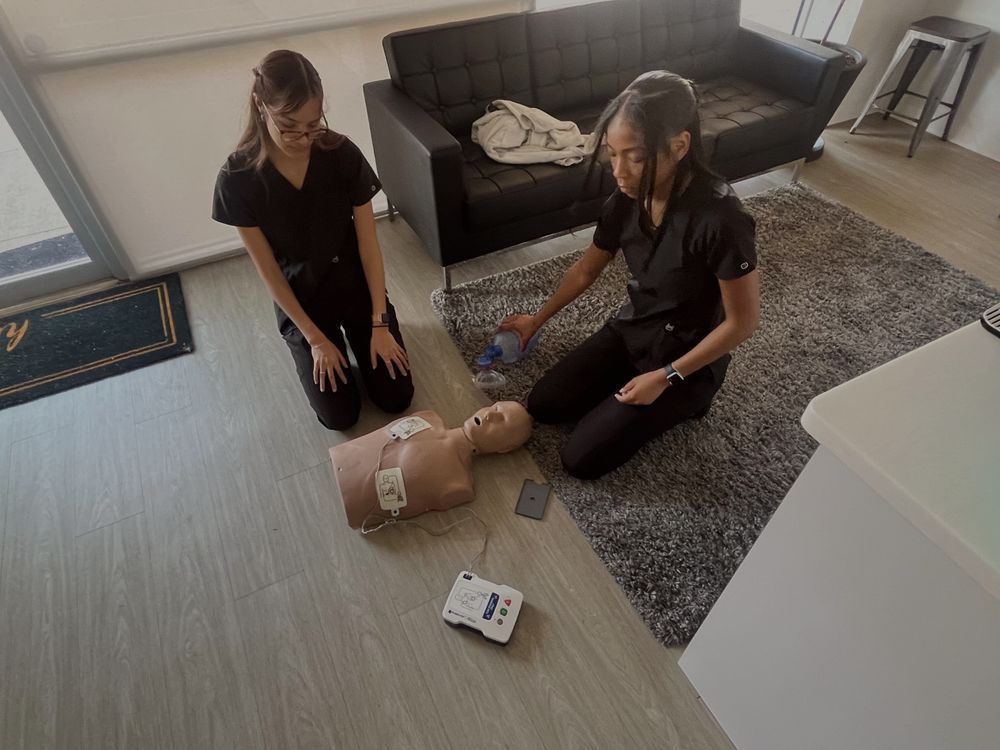
Fully online programs that lack in-person labs may leave students underprepared for the clinical portion of the job. The most reputable online medical assistant programs solve this by offering hybrid learning—online coursework paired with scheduled in-person lab sessions. Without this type of hands-on component, graduates may feel less confident applying their skills in the real world.
Requires Strong Self-Discipline and Time Management
Online learning demands a high level of personal responsibility. Without a fixed classroom schedule, it’s up to you to manage your time, stay on track with assignments, and complete your coursework without constant reminders. For some students, this freedom is empowering. For others, it can quickly become overwhelming.
If you struggle with procrastination or need in-person accountability, online programs might pose a challenge. Students who succeed in online training often create a structured routine, use digital planners, and find ways to eliminate distractions during study time.
Less Face-to-Face Interaction With Instructors and Peers
While online programs frequently offer discussion boards, video meetings, and messaging tools, they do not always replicate the experience of being in a classroom with peers and instructors. Some learners thrive in collaborative environments where they can ask questions in real time, hear others’ perspectives, and interact socially.
If you prefer hands-on demonstrations, group activities, or in-person conversations, an online program may feel isolating. However, hybrid programs with in-person labs often reduce this drawback by giving students opportunities to practice skills together and build relationships within their cohort.
Technology Requirements Can Be a Barrier
Online education depends on reliable internet access, up-to-date devices, and comfort with digital platforms. If you lack strong WiFi, have an outdated computer, or aren’t confident using digital tools, completing an online program can be frustrating. Technical issues may interfere with lectures, exams, or assignment submissions.
Most online programs publish recommended technology requirements before enrollment, so make sure your setup meets these standards. Many schools also offer technical support, but troubleshooting issues still falls largely on the student.
Not All Online Programs Are Created Equal
The rise of online education has also resulted in programs with vastly different levels of quality. Some lack accreditation, provide minimal student support, or do not offer hands-on labs—all of which can negatively impact your ability to find employment after graduation.
Before choosing an online medical assistant program, research:
Whether it is accredited
Whether it offers in-person labs or clinical training
Graduate job placement support
Student reviews and outcomes
Program length and structure
Tuition transparency
A lower price might look appealing, but incomplete or low-quality training could slow down your career progress or limit your job opportunities.
A lower price might look appealing, but incomplete or low-quality training could slow down your career progress or limit your job opportunities.
How to Decide Whether an Online Medical Assistant Certificate Is Right for You
How to Decide Whether an Online Medical Assistant Certificate Is Right for You Choosing the right medical assistant program is a personal decision based on learning preferences, schedule, finances, and long-term career goals. Here are some important questions to explore while evaluating whether online learning fits your situation.
How Do You Learn Best?
If you thrive with independent study, enjoy technology, and prefer controlling your pace, online programs can be an excellent match. If you learn better through direct demonstration, hands-on guidance, or live interaction, a hybrid or in-person program may be a better choice.
Do You Have Time to Attend In-Person Labs?
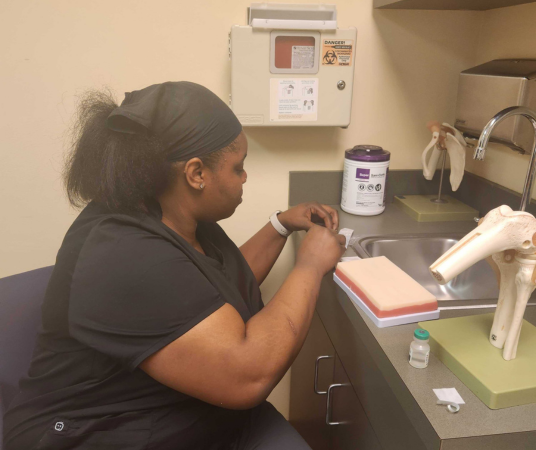
The best online medical assistant programs include hands-on lab training. Even if most of your coursework is online, you should expect to attend labs for skills such as:
The best online medical assistant programs include hands-on lab training. Even if most of your coursework is online, you should expect to attend labs for skills such as: Taking blood pressure
Performing injections
Conducting EKGs
Drawing blood
Sterilizing equipment
Online-only programs without these experiences may leave you unprepared for real clinical duties.
Are You Self-Motivated and Organized?
Online learning requires you to manage deadlines without constant reminders. If you can create a study routine and stick to it, you’ll likely succeed. If structure is important to you, look for hybrid programs that combine flexible online content with scheduled in-person labs.
Do You Need a More Affordable Training Option?
Online programs often cost less than strictly in-person programs. For students who want to avoid student loans or minimize upfront costs, an online or hybrid model may fit well financially.
Do You Want to Enter the Workforce Quickly?
Online programs typically offer accelerated timelines—some as short as a few months. If your goal is to start working as soon as possible, an online-first program can fast-track your entry into healthcare.
Why Hybrid Online Training Is Often the Best of Both Worlds
Why Hybrid Online Training Is Often the Best of Both Worlds Many students discover that the ideal solution is neither fully online nor fully in-person. Hybrid programs—which combine online learning with in-person clinical labs—deliver the flexibility of remote coursework with the essential hands-on practice required for real healthcare environments.
Hybrid training typically includes:
Online modules you complete on your schedule
In-person labs supervised by instructors
Real clinical practice using actual medical equipment
Opportunities to engage with classmates face-to-face
A balance of digital learning and real-world application
This structure provides convenience without sacrificing competency. It also ensures that graduates feel confident taking vital signs, assisting with procedures, communicating with patients, and supporting physicians from day one on the job.
If you want flexibility and skill mastery, hybrid programs offer a strong advantage over fully online formats.
Choosing the Best Path for Your Medical Assistant Career
Choosing the Best Path for Your Medical Assistant Career Online medical assistant programs offer tremendous advantages—flexibility, affordability, accessibility, and the ability to learn at your own pace. But they also come with challenges, such as requiring strong self-discipline and potentially offering less hands-on training. When deciding whether online training is right for you, consider your learning style, your need for structure, your schedule, and your confidence in developing clinical skills.
Ultimately, the best medical assistant programs combine the strengths of online learning with essential hands-on experiences. That ensures students graduate not only with knowledge—but with the practical skills and confidence needed for real patient care.
Start Your Training With Pulse Medical Assistant School
Start Your Training With Pulse Medical Assistant School If you want the flexibility of online learning without missing out on real clinical experience, Pulse Medical Assistant School offers the ideal hybrid solution. Pulse is an online-first, 16-week medical assistant program that pairs convenient digital coursework with intensive, in-person labs. These hands-on sessions give aspiring medical assistants the confidence to support physicians, work with real equipment, and help real patients receive real care.
Whether you’re changing careers or starting your healthcare journey, Pulse gives you the training, support, and practical experience needed to succeed.
You're only a few months from the medical assistant career you deserve.