Why Medical Assistants Are the Heart of the Patient Experience
Why Medical Assistants Are the Heart of the Patient Experience
A great patient experience isn’t just about receiving expert medical care—it’s about feeling supported, reassured, and genuinely cared for every step of the way. While doctors diagnose and nurses treat, medical assistants (MAs) are often the ones who guide patients through the entire visit, ensuring every interaction feels human, comfortable, and compassionate. They are the first voices patients hear, the first faces they see, and the steady support they rely on throughout the appointment.
Because medical assistants work across clinical and administrative areas, they directly shape how patients perceive their care. Their communication skills, empathy, attention to detail, and ability to keep a clinic running smoothly all play major roles in patient satisfaction. In many ways, medical assistants are the heart of the patient experience—connecting people, strengthening trust, and setting the tone for exceptional care.
Medical Assistants Build Trust From the First Interaction
For most patients, the medical assistant is the initial point of contact. Whether greeting patients at the front desk, verifying information, or guiding them to the exam room, MAs help establish the tone for the entire appointment. Their professionalism and warmth create a sense of safety and calm, especially for patients who may be anxious about their visit.
Medical assistants also build trust by listening actively and showing genuine care. When a patient expresses concerns, confusion, or fear, the MA is often the one who takes time to acknowledge those emotions. This early rapport not only makes patients feel valued—it increases their willingness to share important health information, which strengthens the quality of care they receive. A compassionate MA can transform an ordinary appointment into a positive healthcare experience anchored in trust.
Medical Assistants Support Clear and Compassionate Communication
Effective communication is one of the most important elements of a positive patient experience, and medical assistants excel at bridging the communication gap between patients and providers. They help explain what will happen during the visit, prepare patients for tests, and answer basic questions when patients feel uncertain or overwhelmed.
Because MAs interact with both patients and clinical staff, they serve as essential interpreters—translating medical terminology, clarifying instructions, and ensuring that everyone is on the same page. Patients often feel more comfortable asking an MA for explanations they may hesitate to request from a physician. This approachability helps reduce confusion, prevent misunderstandings, and empower patients to participate more confidently in their own care.
Clear communication also extends to after-visit guidance. Medical assistants reinforce care instructions, schedule follow-ups, and help patients understand next steps, ensuring no one leaves feeling unsure about their treatment plan. Their ability to communicate with empathy and precision dramatically improves the overall patient journey.
Medical Assistants Keep Clinics Running Smoothly
Behind every seamless patient experience is a medical assistant managing the operational flow of the clinic. From scheduling appointments to preparing exam rooms to assisting with procedures, MAs balance countless tasks that keep healthcare facilities organized and efficient. Their ability to multitask while staying calm under pressure ensures that providers can focus on delivering quality medical care without delays or disruptions.
When the clinic runs smoothly, patients benefit. Shorter wait times, accurate records, properly sanitized rooms, and organized workflows all contribute to a sense of professionalism and reliability. Medical assistants often notice small details that make a big difference—such as realizing a patient needs extra time, identifying scheduling conflicts, or preparing equipment ahead of a busy day.
In many ways, MAs are the backbone of daily operations. Their behind-the-scenes efforts create an environment where patients feel respected, cared for, and never forgotten. Without medical assistants, the patient experience would be far less efficient, far less personal, and far more stressful—for both patients and providers.
Medical Assistants Provide Hands-On Clinical Support That Builds Patient Confidence
During clinical procedures, patients depend on medical assistants to guide them, reassure them, and support them through each step. Whether taking vitals, performing EKGs, administering injections, or preparing specimens, MAs help patients feel calm and informed during vulnerable moments. Their confidence and competence speak volumes—especially when patients are nervous or unfamiliar with the procedure.
Medical assistants also play a major role in patient comfort. Their bedside manner can turn a stressful situation into one that feels manageable. A gentle explanation, a steady tone, or a moment of kindness often makes all the difference in how patients perceive their care. And because MAs spend more time with patients than many other healthcare professionals, they build relationships that foster trust and reassurance.
By delivering high-quality clinical support with compassion, medical assistants strengthen a patient’s confidence in their healthcare team. The work they do in the exam room directly shapes how safe, respected, and cared for patients feel, making it a central pillar of the overall patient experience.
Medical Assistants Advocate for Patients and Ensure Their Needs Are Met
Medical assistants are uniquely positioned to advocate for patients because they spend so much time listening to their concerns, answering questions, and observing their emotional and physical needs. They notice when a patient seems nervous, confused, or uncomfortable—and they step in to help.
This advocacy can take many forms:
Asking the provider to revisit an explanation
Helping a patient understand treatment options
Noticing when a patient needs additional accommodations
Communicating urgent concerns on behalf of the patient
By ensuring patients feel seen and heard, MAs make healthcare more inclusive and compassionate. They bridge gaps that might otherwise go unnoticed and ensure no patient feels alone in navigating their care. Their advocacy not only improves individual experiences—it strengthens the overall culture of care within a clinic.
Patients often remember the MA who checked on them, explained a procedure clearly, or offered encouragement during a difficult moment. These small acts of compassion shape long-term impressions and reinforce the idea that high-quality healthcare is built on human connection.
Launch Your Medical Assisting Career With Confidence
Launch Your Medical Assisting Career With Confidence As healthcare systems grow more complex and fast-paced, the need for empathetic, highly skilled medical assistants has never been greater. They are the heartbeat of patient care—the ones who greet, comfort, guide, support, and advocate throughout every step of the healthcare journey. By balancing administrative expertise, clinical skill, and genuine human compassion, medical assistants ensure that every patient receives not just care, but kindness.
Their work enriches the entire patient experience and strengthens the relationship between patients and providers. Without medical assistants, clinics wouldn’t just run less efficiently—they would lose the warmth and connection that make healthcare meaningful.
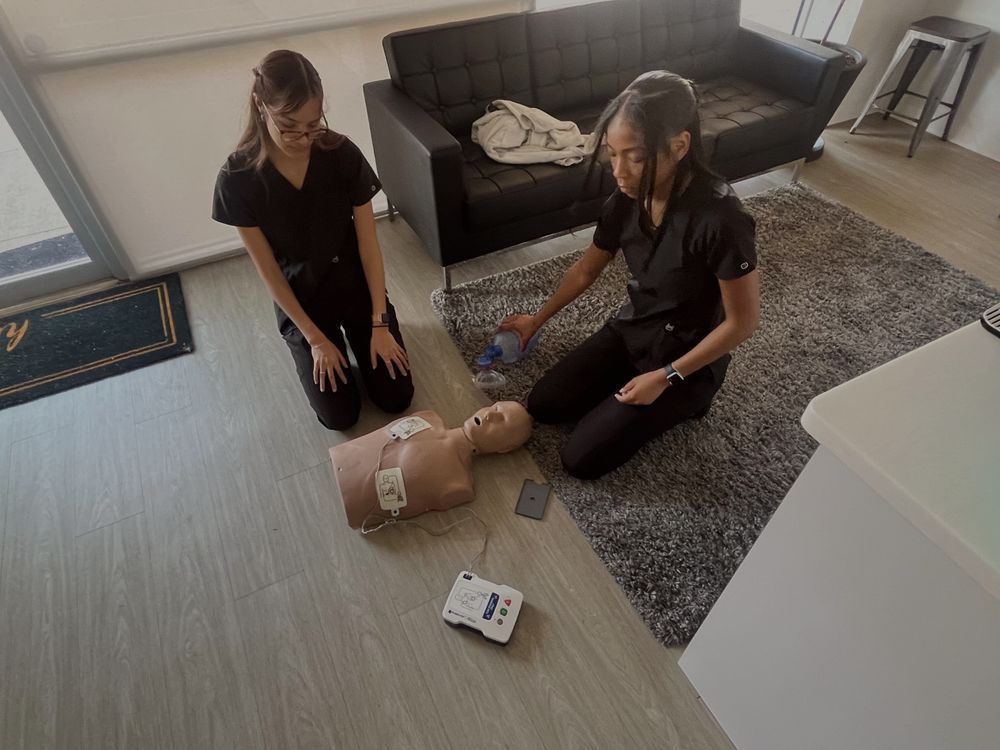
If you’re inspired to play a meaningful role in patient care, a career as a medical assistant may be the perfect fit. Pulse Medical Assistant School offers an online-first, 16-week medical assistant program designed for busy learners who want comprehensive training without sacrificing flexibility. With intensive, in-person labs that build confidence and hands-on skill, Pulse prepares aspiring medical assistants to help real patients receive real care.
Start your journey toward a rewarding healthcare career today.
You're only a few months from the medical assistant career you deserve.