Medical Assistant Interview Prep_ Questions You Should Practice
Medical Assistant Interview Prep: Questions You Should Practice

22 Common Medical Assistant Interview Questions (With Sample Answers)
Preparing for a medical assistant interview can feel intimidating, especially if it’s your first step into the healthcare field. Whether you’re new to the role or shifting jobs, understanding what hiring managers are likely to ask—and how to answer—can give you a much-needed confidence boost. Interviewers want to assess not only your technical skills, but also your ability to work with patients, handle stress, and contribute positively to the medical team.
In this guide, we’ll walk through 22 of the most common medical assistant interview questions, complete with sample answers. These examples aim to help you demonstrate your clinical knowledge, professionalism, and readiness to make a difference in patient care.
Sample Answer: “I’ve always been passionate about helping others and interested in healthcare. Becoming a medical assistant allows me to work directly with patients and contribute to their well-being. I also appreciate the variety of responsibilities in this role—it keeps me engaged and learning every day.”
Sample Answer: “My greatest strengths are my communication skills and attention to detail. I make sure patients feel heard and comfortable, and I’m diligent when recording medical histories or managing administrative tasks.”
Sample Answer: “I used to struggle with delegating tasks, often taking on too much myself. But I’ve learned that trusting my team improves efficiency and patient care, so I’ve worked on speaking up and asking for help when needed.”
Sample Answer: “In high-pressure environments, I take a moment to breathe and prioritize tasks. I remind myself that staying calm helps both patients and coworkers. I also focus on solving one issue at a time to avoid becoming overwhelmed.”
Sample Answer: “At my externship, a patient was upset about a long wait. I calmly explained the delay, offered water, and updated them regularly. They eventually appreciated the transparency, and the situation de-escalated.”
Sample Answer: “I assess what’s most urgent based on patient needs and the clinic’s workflow. I stay organized with checklists and communicate with the rest of the team to ensure nothing falls through the cracks.”
Sample Answer: “Yes. I received hands-on training and understand the importance of safety protocols and proper sanitation when handling blood or other specimens.”
Sample Answer: “I follow HIPAA guidelines strictly, never discussing patient information in public spaces or with unauthorized individuals. I also secure digital and physical records as required by clinic policy.”
Sample Answer: “I trained on Epic and have some experience with Cerner. I’m comfortable learning new systems and adapt quickly with hands-on practice.”
Sample Answer: “I’m skilled at managing several responsibilities at once, from answering phones and scheduling appointments to preparing patients for exams. I stay focused by organizing my tasks and setting small priorities throughout the day.”
Sample Answer: “During my training, I completed multiple successful blood draws under supervision. I understand vein anatomy, patient preparation, and post-draw procedures to ensure comfort and safety.”
Sample Answer: “I’d approach them privately and professionally to discuss our differences. I believe clear, respectful communication can resolve most issues before they escalate.”
Sample Answer: “I welcome feedback—it helps me grow. If a supervisor points something out, I take it seriously, reflect on it, and make adjustments to improve my performance.”
Sample Answer: “During flu season, our clinic was short-staffed, so we all had to step up. I helped manage the front desk while also assisting in the back, ensuring smooth patient flow. Teamwork was essential to getting through each day.”
Sample Answer: “I’d be honest and let them know I haven’t done it before, but I’d be eager to learn. I’d ask for guidance or supervision to ensure it’s done correctly and safely.”
Sample Answer: “I use digital scheduling tools and written checklists to manage appointments, follow-ups, and lab work. Staying organized ensures patients get the care they need without delays.”
Sample Answer: “Compassion, reliability, attention to detail, and strong communication. A great medical assistant keeps patients comfortable and ensures the clinic runs smoothly.”
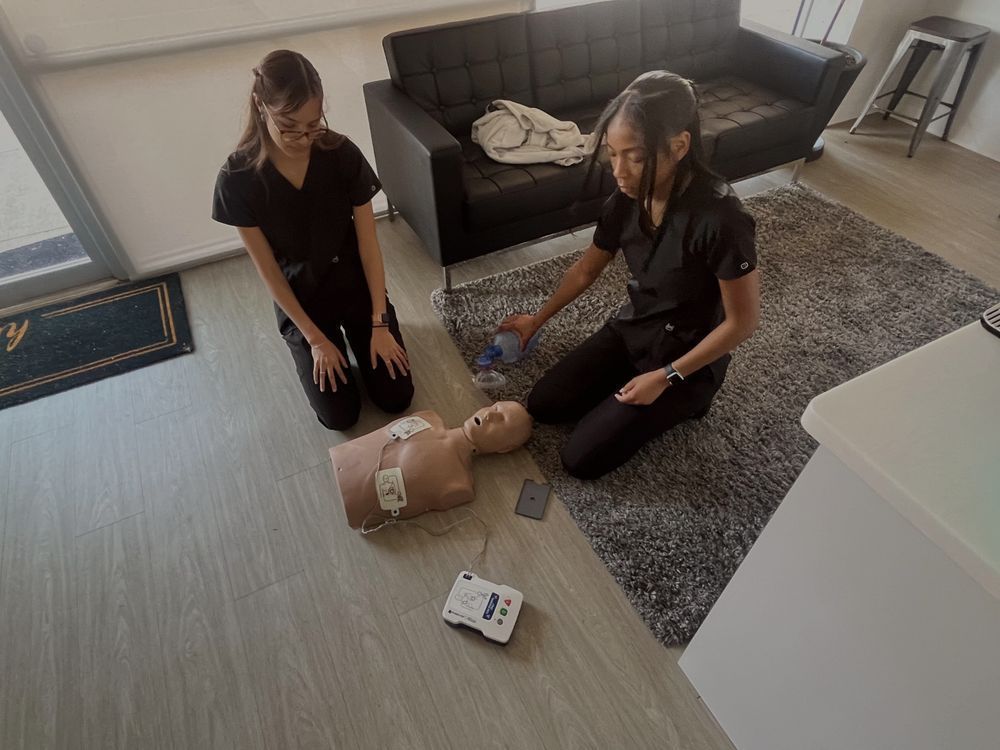
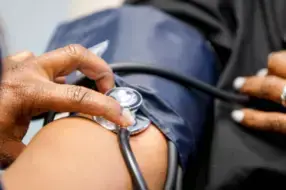
Sample Answer: “I completed a 16-week training program that included in-person labs and an externship at a busy family practice. I practiced clinical tasks like taking vitals, drawing blood, and managing EHRs while learning from experienced professionals.”
Sample Answer: “I’d politely explain our policy on late arrivals, check with the provider about availability, and do my best to fit them in or reschedule as needed—always with empathy.”
Sample Answer: “I’d use translation services or tools provided by the clinic. I’d also speak slowly, use visual aids when possible, and remain patient to ensure the patient feels respected and understood.”
Sample Answer: “I love making a difference in patients’ lives. Whether it’s offering comfort during a procedure or helping someone understand their treatment, those moments are incredibly rewarding.”
Sample Answer: “I hope to continue growing in healthcare. I’d like to gain more clinical experience, potentially earn additional certifications, and eventually step into a leadership role in a medical office.”
Prepare With Confidence
Interviewing for a medical assistant role doesn’t have to be nerve-wracking. The key is preparation—knowing what questions to expect and how to answer them clearly and professionally. Use these common interview questions and sample answers as a guide to reflect on your own experiences and highlight your strengths. When you respond with confidence and authenticity, you help hiring managers see your value.
Build the Confidence to Succeed in Interviews and On the Job
Pulse Medical Assistant School offers an online-first, 16-week medical assistant program with intensive, in-person labs. You’ll gain the clinical skills, administrative knowledge, and hands-on experience needed to succeed in interviews and make a real difference in patients’ lives. Train with experts, complete your externship, and start your career with confidence—because real care starts with real preparation.