Can Medical Assistants Work from Home_ Remote Roles Explained
Can Medical Assistants Work from Home? Remote Roles Explained
Medical assistants are traditionally thought of as hands-on healthcare professionals—the people who take vital signs, prepare exam rooms, support physicians, and help keep patient visits running smoothly. But as the healthcare industry continues shifting toward telehealth, digital care coordination, and remote patient support, more medical assisting responsibilities are moving online. Today, many healthcare facilities are embracing hybrid and fully remote teams, creating flexible opportunities for medical assistants who want to contribute from home.
If you’re considering a medical assisting career but hope to avoid the full in-clinic schedule, you may be wondering whether remote roles are possible—and the answer is yes. While not every duty can be done virtually, medical assistants can absolutely work from home in a variety of administrative and patient-support positions that keep clinics running efficiently. Below, you’ll find a detailed look at the types of remote jobs medical assistants can pursue, the skills required, and how training programs prepare students for both in-person and virtual healthcare roles.
Can Medical Assistants Really Work From Home?
Yes—medical assistants can work remotely, especially as healthcare organizations invest in telemedicine and digital patient engagement. The rise of electronic health records, online scheduling platforms, virtual triage systems, and remote monitoring tools has opened the door to positions that don’t require daily in-office presence.
It’s important to understand that clinical tasks (like drawing blood or taking vitals in person) cannot be performed remotely. However, administrative, patient-facing, and technology-supported roles are entirely possible from a home office. Many employers now hire remote or hybrid medical assistants to help reduce front-office workload and streamline patient care.
Below are the most common remote roles available to medical assistants today.
Remote Medical Assistant Roles Explained
Telehealth Medical Assistant
Telehealth medical assistants support providers before, during, and after virtual patient appointments. Their role is essential in ensuring telemedicine visits feel just as organized as in-person care.
What Telehealth MAs Do
What Telehealth MAs Do
Conduct pre-visit intake calls
Gather patient history and symptoms
Verify insurance and update records
Prepare the provider for virtual appointments
Troubleshoot basic patient technology issues
Document provider instructions after the visit
Why This Role Works Remotely
Why This Role Works Remotely Much of a telehealth MA’s job involves communication, documentation, and patient support—all tasks that can be done over the phone or through telemedicine platforms. Clinics rely heavily on these assistants to keep virtual appointments running smoothly.
Remote Administrative Medical Assistant
Some medical assistants focus entirely on administrative support, which can often be completed away from the clinic.
Key Administrative Duties
Key Administrative Duties Scheduling and rescheduling appointments
Managing provider calendars
Updating electronic health records
Coordinating referrals
Processing prior authorizations
Handling patient calls and email inquiries
Verifying insurance and billing information
Why This Role Works Remotely
Why This Role Works Remotely Administrative tasks require organization, computer skills, and an understanding of healthcare workflows—not in-office presence. Many clinics outsource these jobs to remote MAs to reduce staffing costs and increase availability beyond standard office hours.
Remote Patient Care Coordinator
Patient care coordinators help patients navigate treatment plans, follow-up care, medication instructions, and specialist referrals. It’s a highly patient-centered role that relies on communication more than in-person contact.
Common Responsibilities
Common Responsibilities
Following up after provider visits
Teaching patients how to manage conditions
Providing instructions for medication or procedures
Explaining next steps in the care plan
Ensuring patients schedule follow-up appointments
Coordinating care between multiple providers
Why This Role Works Remotely
Why This Role Works Remotely These responsibilities can occur via phone, video call, email, or patient portals, making them perfect for a home-based schedule. Strong communication and multitasking skills make medical assistants an ideal fit.
Remote Clinical Documentation Specialist
Electronic health records (EHRs) are essential to modern healthcare, and medical assistants trained in documentation can help providers keep those records accurate and updated.
Typical Duties
Recording patient histories
Updating EHRs after patient encounters
Reviewing records for accuracy
Entering diagnostic codes
Ensuring compliance with privacy standards
Communicating with providers to clarify documentation
Why This Role Works Remotely
Why This Role Works Remotely Because EHR systems are digital, trained MAs can access records securely from home. Clinics often hire remote documentation specialists to reduce the burden on physicians and nurses.
Remote Prior Authorization Specialist
Prior authorizations require attention to detail, insurance knowledge, and strong communication with providers and insurance companies—which makes medical assistants uniquely qualified.
Prior authorizations require attention to detail, insurance knowledge, and strong communication with providers and insurance companies—which makes medical assistants uniquely qualified.
Common Responsibilities
Common Responsibilities Reviewing medical records
Preparing documentation for insurance approval
Preparing documentation for insurance approval Communicating with insurance representatives
Updating patients on approval status
Documenting all communication in EHRs
Why This Role Works Remotely
Why This Role Works Remotely The entire prior authorization process—submission, communication, review, and follow-up—can be performed online or over the phone.
Remote Medical Billing and Coding Assistant
Although billing and coding is a separate specialty, many medical assistants gain foundational knowledge as part of their training. With additional education, some transition into fully remote billing and coding roles.
Typical Tasks
Processing claims
Entering billing codes
Communicating with insurance companies
Reviewing claim denials
Updating patient billing records
Why This Role Works Remotely
Why This Role Works Remotely Billing and coding occur entirely within software platforms, making these roles perfect for remote teams.
Remote Patient Intake Specialist
Medical assistants can also complete patient intake from home, ensuring providers have all necessary information before appointments.
Medical assistants can also complete patient intake from home, ensuring providers have all necessary information before appointments. Responsibilities Include
Collecting medical history
Reviewing current medications
Asking screening questions
Verifying demographic and insurance information
Entering details into the EHR
Why This Role Works Remotely
Why This Role Works Remotely Because intake interviews are conducted verbally, medical assistants can easily perform them over the phone or through secure digital forms.
Remote Health Coach or Patient Educator
Medical assistants who excel at communication and patient support may move into health coaching roles, especially with experience in chronic disease education.
Medical assistants who excel at communication and patient support may move into health coaching roles, especially with experience in chronic disease education.
Key Coaching Activities
Key Coaching Activities
Motivating patients to follow care plans
Teaching lifestyle strategies for chronic conditions
Conducting virtual check-ins
Identifying patient challenges and barriers
Reporting progress to healthcare providers
Why This Role Works Remotely
Why This Role Works Remotely Health coaching is often conducted through phone calls or video sessions, allowing MAs to work from anywhere.
Remote Medical Call Center Representative
Medical call centers serve hospitals, clinics, insurance companies, and telehealth providers. These roles rely heavily on medical knowledge and patient communication experience.
Common Tasks
Common Tasks Answering patient questions
Scheduling appointments
Assisting with prescription refills
Providing instructions for simple health concerns
Directing urgent calls to appropriate clinicians
Why This Role Works Remotely
Why This Role Works Remotely Call centers frequently hire fully remote teams to handle high call volume from multiple locations.
Essential Skills for Remote Medical Assistant Roles
Essential Skills for Remote Medical Assistant Roles
Working from home requires more independence and digital literacy than a traditional clinic role. Successful remote MAs typically have:
Working from home requires more independence and digital literacy than a traditional clinic role. Successful remote MAs typically have:
Strong Communication Skills
Remote roles require clear explanations, active listening, and professional writing—skills medical assistants naturally develop during training.
Proficiency with Digital Tools
Electronic health records, telehealth platforms, scheduling software, and secure messaging systems are part of everyday remote work.
Time Management
Remote MAs must stay focused, meet deadlines, and handle tasks without in-person supervision.
Understanding of Healthcare Workflows
Understanding of Healthcare Workflows Even remote workers must understand the clinic’s processes, documentation requirements, and patient-care standards to keep operations running smoothly.
Customer Service Experience
Because many remote roles involve patient support, professionalism and empathy are essential.
Benefits of Working as a Remote Medical Assistant
Benefits of Working as a Remote Medical Assistant Remote medical assistant roles do more than offer flexibility—they create long-term career value. Here’s how:
Flexible Scheduling
Remote MAs often have more control over their hours, making it easier to balance work and personal commitments.
Reduced Commute Stress
Working from home saves time, money, and energy—something especially valuable in busy healthcare careers.
Broader Job Opportunities
Remote roles are not tied to a single geographic area; medical assistants can apply to positions nationwide.
Stronger Job Stability
Telehealth continues to grow, and organizations need trained professionals who understand both clinical and administrative workflows.
Opportunity for Career Advancement
Remote MAs can transition into care coordination, health coaching, billing, coding, or even telehealth management.
How Medical Assistant Training Prepares You for Remote Work
How Medical Assistant Training Prepares You for Remote Work Even if your goal is to work from home, you still need foundational medical assistant skills. Employers want remote MAs who understand clinical workflows, patient communication, and healthcare documentation.
A strong MA program should include:
Comprehensive online coursework
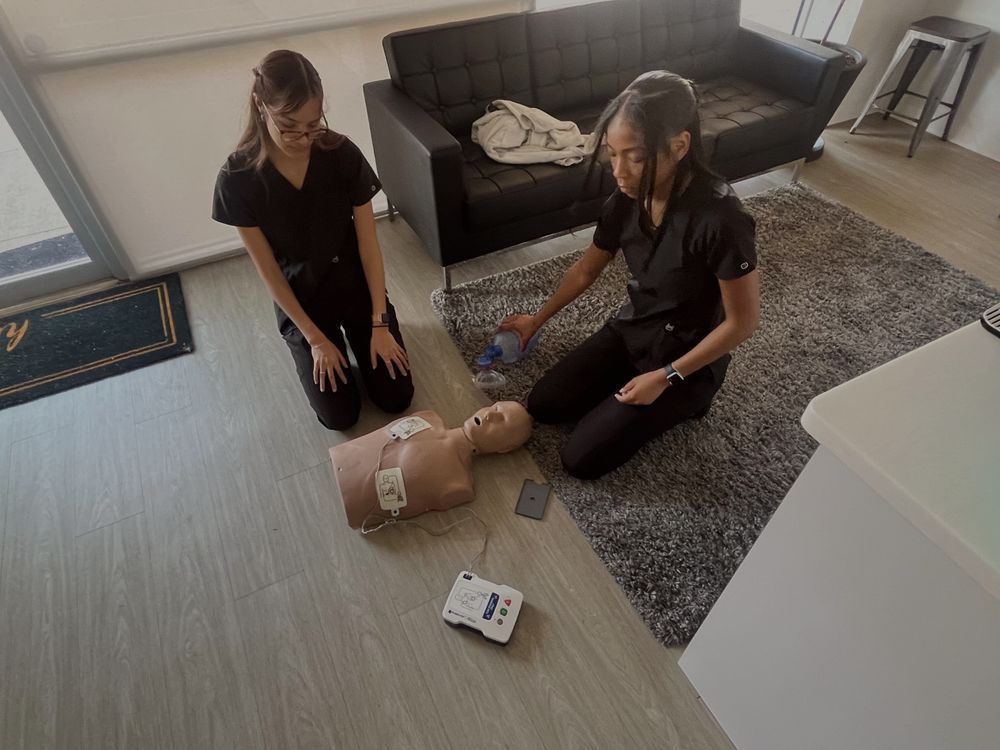
Hands-on labs to build real clinical skills
Training in digital tools and EHRs
Training in digital tools and EHRs
Preparation for certification exams
Experience with administrative and patient-support tasks
Pulse Medical Assistant School excels in all of these areas.
Remote Medical Assistant Careers Are Growing Fast
Medical assistants are no longer limited to exam rooms and front desks. With the growth of telehealth and digital care models, remote MA jobs are more accessible than ever. Whether you’re interested in telehealth support, care coordination, documentation, billing, or patient education, there are meaningful work-from-home roles that let you contribute to patient care without being in the clinic every day.
And the best way to qualify for these opportunities is by completing a high-quality medical assistant training program that teaches both clinical and digital healthcare skills.
Start Your Medical Assistant Career with Confidence
Start Your Medical Assistant Career with Confidence If you’re ready to build a flexible, future-focused medical assisting career—including remote opportunities—Pulse Medical Assistant School can help you get there.
Pulse is an online-first, 16-week medical assistant program with intensive, in-person labs that give aspiring medical assistants the confidence to help real patients receive real care. You’ll graduate with hands-on experience, digital healthcare training, and the readiness to step into clinical or fully remote roles.
Take the first step toward a career that fits your life—your future in healthcare starts with Pulse.
You're only a few months from the medical assistant career you deserve.