How Fast Can You Train to Become a Medical Assistant_
How Fast Can You Train to Become a Medical Assistant?
Becoming a medical assistant is one of the quickest ways to start a hands-on healthcare career, especially for people who want to join the workforce fast without spending years in school. As the healthcare industry continues to expand, clinics, specialists, and urgent care centers are hiring medical assistants at a rapid pace. That means there’s a strong demand for skilled professionals—and an even stronger interest in fast, efficient medical assistant training programs that help learners get job-ready quickly.
Many people are surprised to learn that medical assisting does not require a college degree. In fact, modern training programs are designed for speed, flexibility, and real-world readiness. Today’s accelerated programs blend online learning with practical skills training so students can build the knowledge and confidence needed to support patient care. So, how fast can you actually become a medical assistant? Faster than you might think.
Accelerated Medical Assistant Training Takes Just Four Months
One of the biggest advantages of pursuing a medical assistant career is the ability to complete training in a short period of time. Accelerated programs allow students to finish in about four months, making it possible to transition into a new healthcare career before many traditional students even finish a semester of college.
These fast-track programs are structured to maximize learning without overwhelming students. Coursework is streamlined, focused on the most essential skills and knowledge that medical employers look for. Because the curriculum is concentrated and efficient, motivated learners can move through it quickly while still gaining everything they need for certification and employment.
A four-month medical assistant program typically includes:
Online coursework that students can complete on their own schedules.
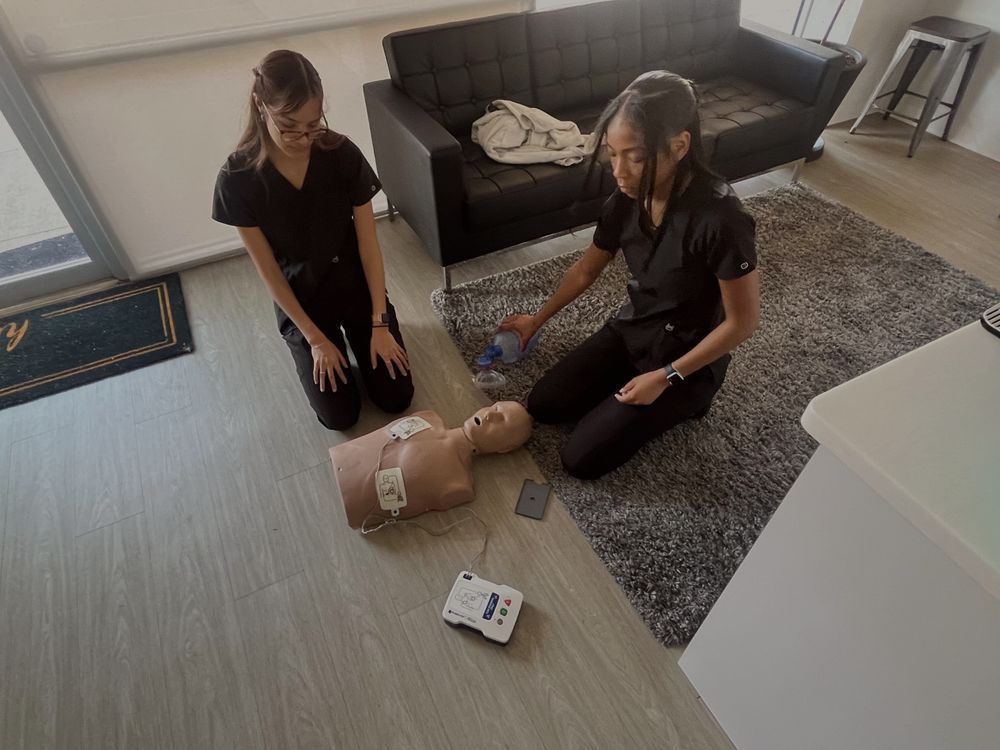
In-person labs to learn essential clinical skills.
Certification preparation to help graduates confidently sit for recognized medical assistant exams.
This accelerated training model is ideal for career changers, working adults, or anyone eager to start helping patients as soon as possible.
This accelerated training model is ideal for career changers, working adults, or anyone eager to start helping patients as soon as possible.
What Students Learn in a Fast-Track Medical Assistant Program
What Students Learn in a Fast-Track Medical Assistant Program Even though accelerated programs are short, they still cover an impressive range of both administrative and clinical competencies. In just a few months, students gain a complete foundation in what medical assistants do every day to support providers and serve patients.
Below are the key areas students learn during an accelerated medical assistant program.
Essential Anatomy, Physiology, and Medical Terminology
Understanding the human body is the foundation of all healthcare roles. Accelerated programs teach core anatomy and physiology concepts so students can:
Understanding the human body is the foundation of all healthcare roles. Accelerated programs teach core anatomy and physiology concepts so students can:
Recognize how the body’s systems work
Understand common medical conditions
Use proper terminology with patients and providers
This knowledge helps medical assistants communicate effectively in clinical settings and carry out tasks with accuracy and confidence.
Administrative and Front Office Responsibilities
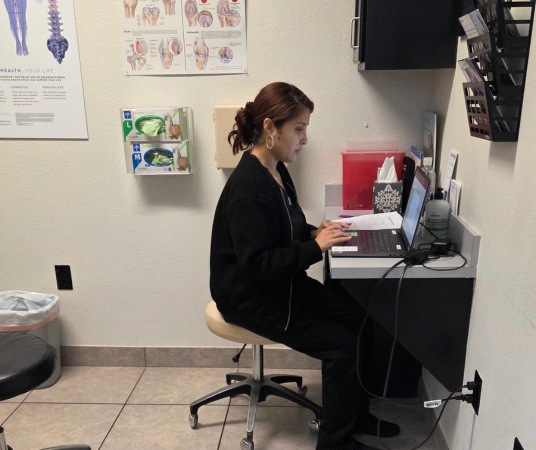
Medical assistants often serve as the first point of contact when patients enter a healthcare facility. Fast-track programs train students on essential front-office skills, including:
Medical assistants often serve as the first point of contact when patients enter a healthcare facility. Fast-track programs train students on essential front-office skills, including: Scheduling appointments
Checking patients in and out
Managing electronic health records (EHR)
Handling insurance information and billing basics
Maintaining HIPAA compliance and patient privacy
These tasks help clinics and physician offices run efficiently while ensuring a smooth patient experience.
Clinical Procedures and Hands-On Patient Care
One of the most exciting parts of accelerated medical assistant training is developing real clinical skills. Students practice a range of procedures, including:
Taking vital signs
Performing patient interviews
Preparing exam rooms and equipment
Preparing exam rooms and equipment Conducting diagnostic tests
Assisting with minor procedures
In-person labs give students the chance to work with real tools, practice techniques, and gain confidence before stepping into a medical setting.
Phlebotomy and Injection Skills
Medical assistants are frequently responsible for tasks like drawing blood and administering injections. These skills require practice and precision, which is why accelerated programs include dedicated hands-on time for:
Venipuncture
Capillary punctures
Vaccinations
Medication administration under supervision
Learning these skills early helps students stand out during job interviews and makes them more valuable in clinical environments.
EKG Testing and Basic Diagnostic Procedures
Many medical assistants learn how to set up and perform electrocardiograms (EKGs), which help providers diagnose heart-related issues. Accelerated medical assistant training teaches students to:
Apply electrodes correctly
Operate EKG machines
Record and interpret basic results
These diagnostic skills increase job versatility and help graduates qualify for more roles, including specialties such as cardiology.
Infection Control and Safety Protocols
Healthcare facilities depend on safe, sterile environments to protect both patients and staff. Accelerated programs thoroughly cover:
OSHA guidelines
Hand hygiene and PPE usage
Sterilization and disinfection
Handling hazardous materials
These protocols are essential for any medical assistant, especially in today’s healthcare climate.
Professionalism, Ethics, and Patient Communication
Medical assistants interact with patients of all ages and backgrounds. That means communication and empathy are critical. Students learn:
Medical assistants interact with patients of all ages and backgrounds. That means communication and empathy are critical. Students learn:
How to communicate with clarity and compassion
How to communicate with clarity and compassion
How to assist anxious or nervous patients
How to assist anxious or nervous patients
How to maintain professionalism under pressure
How to maintain professionalism under pressure
How to support providers during patient care
How to support providers during patient care These soft skills are just as important as clinical skills—and often set great MAs apart from the rest.
Why Fast Training Doesn’t Mean Lower Quality
Why Fast Training Doesn’t Mean Lower Quality Some students worry that accelerated training won’t fully prepare them for the job. In reality, the opposite is true. Today’s fast-track programs are intentionally designed to cut out unnecessary coursework and focus on what employers actually value.
Here’s why accelerated programs work so well:
They’re laser-focused on real skills.
Instead of years of general education, students learn exactly what’s relevant to medical assisting.
They blend online and in-person learning.
This allows students to progress quickly while still gaining crucial hands-on experience.
They prepare students for certification.
Graduates are equipped to sit for nationally recognized exams, proving their readiness.
They’re built for busy adults.
Accelerated programs recognize that many learners are working, parenting, or changing careers—and need a fast pathway to success.
In short, fast does not mean rushed. With the right curriculum, students can build strong clinical skills, administrative knowledge, and professional confidence in a short timeframe.
Is Accelerated Medical Assistant Training Right for You?
A four-month medical assistant program is an excellent option for people who:
Want to start a healthcare career quickly
Want to start a healthcare career quickly Prefer structured online learning with hands-on practice
Are motivated, organized, and ready to learn
Want a clear pathway to certification and employment
Need a flexible option that fits their lifestyle
If you’re eager for a career where you can help people every day—and you want to get started as soon as possible—accelerated medical assistant training might be the perfect fit.
If you’re eager for a career where you can help people every day—and you want to get started as soon as possible—accelerated medical assistant training might be the perfect fit.
Choosing a Program That Prepares You for Real-World Medical Work
Not all medical assistant programs offer the same level of training or support. When choosing a school, look for features like:
Hybrid learning (online coursework + in-person labs)
Dedicated instructors with healthcare experience
Hands-on training with modern medical equipment
Certification exam preparation
Career guidance and graduate support
Career guidance and graduate support These elements help ensure you don’t just finish fast—you finish ready for day one on the job.
Programs that include intensive in-person labs are especially valuable because they allow students to practice essential skills in a controlled, supportive environment. This type of hands-on training builds confidence and ensures graduates feel comfortable working directly with patients.
The Bottom Line: You Can Become a Medical Assistant in Just Four Months
The Bottom Line: You Can Become a Medical Assistant in Just Four Months If you’re looking for a quick, practical, and affordable way to start a healthcare career, accelerated medical assistant training is one of the best paths available. In as little as four months, you can gain the knowledge, skills, and experience needed to support patient care and step confidently into a role that makes a meaningful difference.
The combination of flexible online learning, hands-on labs, and focused curriculum allows students to transition into the workforce quickly—without sacrificing quality. With the right training program, you’ll be prepared for certification, job interviews, and real-world medical responsibilities.
Ready to Start Your Medical Assistant Career Fast?
Ready to Start Your Medical Assistant Career Fast? If you want a fast, flexible, and supportive path into healthcare, Pulse Medical Assistant School is built for you. Pulse is an online-first, 16-week medical assistant program with intensive, in-person labs that give aspiring medical assistants the confidence to help real patients receive real care. It’s one of the strongest options for learners who want high-quality training without years in school.
When you’re ready to begin, Pulse provides the structure, support, and hands-on experience you need to thrive in a high-demand medical career.
You're only a few months from the medical assistant career you deserve.