How to Become a Medical Assistant Without a Degree
How to Become a Medical Assistant Without a Degree
Becoming a medical assistant is one of the fastest, most accessible ways to enter the healthcare field—and you don’t need a college degree to do it. Today’s clinics, specialty practices, and hospitals rely heavily on medical assistants (MAs) to keep patient care running smoothly. Because healthcare demand continues to rise, employers are looking for skilled candidates who can step confidently into a patient-facing role, even if they took a non-traditional path.
In fact, many of the most successful medical assistants launched their careers without earning a two- or four-year degree. What mattered wasn’t a diploma—it was completing focused training, earning a respected certification, and gaining hands-on experience. If you’re ready to work in a meaningful, fast-paced environment that offers long-term stability and advancement opportunities, medical assisting is one of the best first steps you can take.
Below, you’ll learn exactly how to become a medical assistant without a degree—along with five steps you can follow to begin your career with confidence.
Start With Focused Medical Assistant Training (The Fastest Path)
If you don’t have a college degree, the single most effective path into the field is completing a reputable medical assistant training program. These programs are designed specifically for learners who want a direct, streamlined route into the workforce—without spending years in school.
A high-quality program teaches the essentials you’ll use every day: patient intake, vital signs, phlebotomy, EKGs, medical terminology, infection control, scheduling, and the soft skills needed for compassionate patient communication. Rather than stretching learning across semesters, these programs condense everything into an accelerated, career-focused curriculum that prepares you to step into real clinical environments quickly.
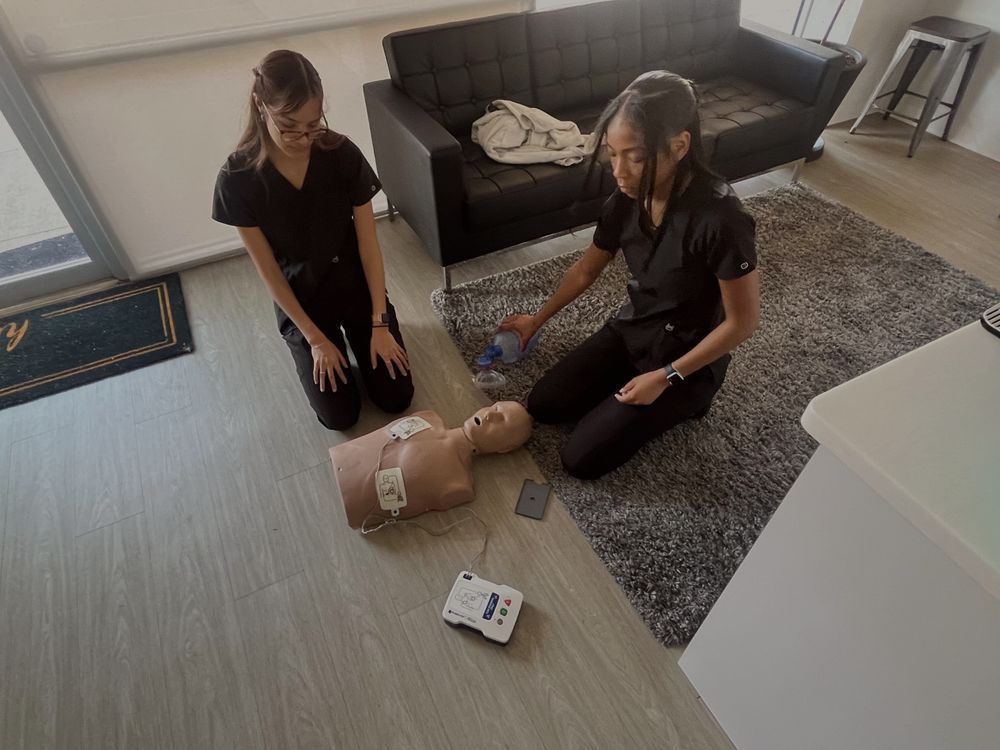
Programs like the 16-week medical assistant training through Pulse Medical Assistant School are built for this exact purpose. Learners complete online coursework at their own pace, supported by instructor guidance and clear weekly structure. Then, they apply what they’ve learned in intensive, in-person labs where they practice real procedures on real equipment. This combination of online flexibility and hands-on experience gives students the confidence to help real patients receive real care on day one.
If you’re looking for the most efficient route into a high-demand healthcare role—without a degree—medical assistant training should always be your first step.
Earn a Recognized Medical Assistant Certification
A degree may not be required for medical assistant careers, but certifications absolutely set candidates apart. Employers value certification because it shows you’ve mastered the foundational skills and knowledge needed for safe, effective patient care.
Medical assistant certification is a fast track to a high-demand career because it demonstrates professional readiness. Clinics and healthcare employers increasingly prefer, and often require, certified candidates due to rising standards in patient care and compliance.
The best training programs—such as Pulse—are specifically designed to prepare you for certification exams. By the time you finish your coursework and labs, you’ll have practiced the skills and reviewed the content needed to walk into your exam with confidence. Certification also opens the door to advancement opportunities that uncertified assistants often miss, including specialty roles in dermatology, orthopedics, cardiology, and pediatrics.
Build Clinical Experience Through Labs, Externships, or On-the-Job Training
Even without a degree, you can stand out by building practical experience early. Hands-on work gives you:
Confidence interacting with patients
Direct familiarity with tools and equipment
A deeper understanding of a clinic’s workflow
Competitive advantage in the hiring process
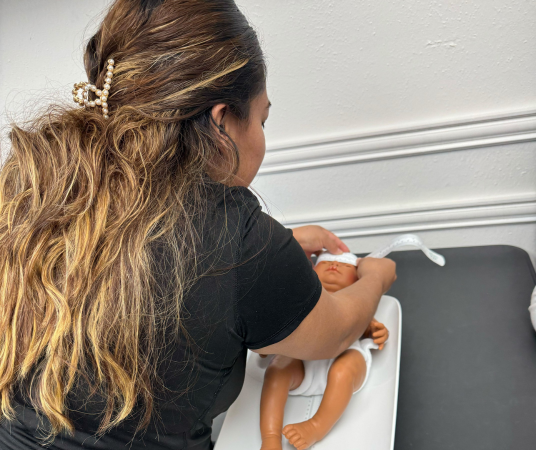
Hands-on labs are the first place most students develop this experience. These labs simulate real clinical environments and allow you to master tasks such as blood draws, injections, specimen collection, patient charting, and more.
Next, many training programs partner with local clinics to offer externships, giving students real-world exposure during or after training. Externships provide a powerful résumé boost—and many students end up receiving job offers from the clinics where they extern.
If your first job is with an employer who offers on-the-job training, that experience counts as well. Some smaller clinics are willing to train highly motivated entry-level assistants, especially those with certification or strong lab performance.
Regardless of the path, the goal is the same: accumulate real patient-care experience that demonstrates your readiness and professionalism.
Apply for Medical Assistant Jobs That Don’t Require a Degree
One of the biggest misconceptions about the healthcare field is that every clinical job requires a degree. Medical assisting proves the opposite. Thousands of clinics, hospitals, and specialty practices hire medical assistants based on skills, certification, and experience—not a college diploma.
When applying for jobs, look for listings that include the following phrases:
“Medical assistant certification required or preferred”
“Medical assistant training program completion required”
“No degree required”
“Entry-level medical assistant”
These roles can be found in:
Primary care and family medicine offices
Urgent care centers
Specialty practices (dermatology, cardiology, pediatrics, orthopedics)
Outpatient clinics
Surgical centers
Community health centers
Because medical assistants are essential to nearly every patient-care setting, job opportunities are abundant. In fact, the Bureau of Labor Statistics projects continued strong growth for medical assisting due to aging populations, increased healthcare access, and expanding outpatient care services.
When applying, emphasize your:
Completed training
Certifications
Hands-on skills
Externship experience
Reliability and professionalism
Passion for helping patients
With the right preparation, you can quickly transition into a full-time role—no degree required.
Continue Growing Your Skills for Career Advancement
One of the best things about becoming a medical assistant without a degree is that your career doesn’t stop there. Once you’ve gained experience, you can grow in several directions, many of which come with higher pay and increased responsibility.
Common advancement paths include:
Common advancement paths include:
Specialty Medical Assisting
Dermatology, cardiology, gastroenterology, OB/GYN, and orthopedics all rely heavily on skilled MAs. Specialty roles often come with higher pay because they require additional procedures, equipment knowledge, and patient-care responsibilities.
Lead or Senior Medical Assistant
With strong performance, you can move into lead roles where you coordinate schedules, support training, and assist with clinical oversight.
Healthcare Administration
Experience with patient scheduling, billing, electronic health records, and clinic operations can open doors into administrative coordinator or office management roles.
Further Healthcare Education
Many MAs use their experience as a bridge into nursing, radiologic technology, surgical technology, or other medical programs. Because you’ll already understand clinical workflow and patient care, these transitions often feel more natural.
By continually improving your skills, you can build a stable, rewarding, long-term healthcare career—all starting without a degree.
You Can Become a Medical Assistant Without a Degree
You Can Become a Medical Assistant Without a Degree If you want to build a healthcare career quickly, affordably, and without years of school, medical assisting is an ideal path. By completing targeted training, earning certification, gaining hands-on experience, and applying to the right roles, you can enter a high-demand field with meaningful opportunities for growth.
Thousands of medical assistants begin their careers every year without a college degree—but with the right preparation, professionalism, and passion for helping others.
Start Your Journey With Pulse Medical Assistant School
Start Your Journey With Pulse Medical Assistant School If you’re ready to become a medical assistant without a degree, Pulse Medical Assistant School gives you everything you need to begin with confidence. Pulse is an online-first, 16-week medical assistant program with intensive, in-person labs that allow learners to practice real clinical procedures using real equipment. Graduates leave with the hands-on skills and preparation they need to help real patients receive real care—and to step directly into a high-demand medical assistant career.
You're only a few months from the medical assistant career you deserve.