Is Pulse a Legit Medical Assistant School_
Is Pulse a Legit Medical Assistant School?
Becoming a medical assistant is one of the fastest ways to step into a patient-facing healthcare role without spending years in school. But “fast” should never mean “shaky,” especially when it comes to your education. With more online programs popping up every year, it is completely fair to ask: Is Pulse a legit medical assistant school—or just another generic training course with big promises and little follow-through?
The good news is that you can absolutely evaluate a medical assistant program’s legitimacy by looking at a few key areas: its curriculum, instructors, hands-on training, reputation, and the support it offers from enrollment to employment. When you put Pulse Medical Assistant School under that microscope, it holds up as a serious, career-focused training option designed to help learners step confidently into real healthcare roles.
Below are five reasons why Pulse is a legitimate medical assistant educator—and how it gives students tangible skills, real clinical confidence, and a clear path into the workforce.
A Structured, Career-Focused Curriculum (Not Just “Health Content”)
Legitimate schools do not throw together random health modules and call it training. They follow a structured curriculum built around the real duties medical assistants perform in clinics, hospitals, and specialty practices. Pulse is designed with that kind of intentional structure.
The program doesn’t just teach “about” healthcare; it trains you to do the job of a medical assistant. That means you learn both front-office and back-office skills, from taking vital signs and preparing patients for exams to managing electronic health records and supporting busy providers. The coursework is mapped to industry expectations, including the knowledge areas commonly tested on certification exams and the competencies employers expect from entry-level hires.
Because Pulse is an accelerated, 16-week model, the curriculum is tightly focused. There is no filler content or unrelated general education coursework. Instead, you move through a logical sequence of modules that connect directly to the medical assistant role:
Medical terminology, anatomy, and physiology
Infection control and patient safety
Clinical procedures such as phlebotomy, injections, and EKG basics
Administrative workflows and patient communication
Professionalism, ethics, and working as part of a care team
That clarity and focus on employable skills is one of the biggest signs that Pulse functions as a true career program—not just a set of generic online health lessons.
Online-First Design with Real Standards and Accountability
There’s a difference between “online content” and an actual online school. Legit programs have structure, expectations, and support built into the online experience. Pulse is online-first by design, with a clear schedule, deadlines, and guided learning—not a self-serve video library you’re left to figure out on your own.
Students work through lessons, quizzes, assignments, and skill checks that build progressively from basic concepts to more advanced clinical tasks. Instructors and support staff can track your progress, answer questions, and step in if you fall behind. That kind of accountability matters a lot: it shows the school is invested in your success, not just in selling you a login.
The online format also reflects the realities of modern adult learners. Many students are:
The online format also reflects the realities of modern adult learners. Many students are:
Changing careers from non-medical jobs
Balancing family responsibilities and childcare
Working part-time or full-time while they train
Working part-time or full-time while they train Pulse’s online-first structure makes it possible to learn from home while still holding you to clear expectations and timelines. That combination—flexibility plus accountability—is a hallmark of a legitimate modern training provider.
Intensive, In-Person Labs that Build Real Clinical Confidence
If you’re wondering, “Can a mostly online program be legit if I need hands-on skills?” this is where Pulse really stands out. A credible medical assistant education has to go beyond reading and watching videos; you need to practice, make mistakes, and get feedback in controlled, real-world settings before you ever touch a patient.
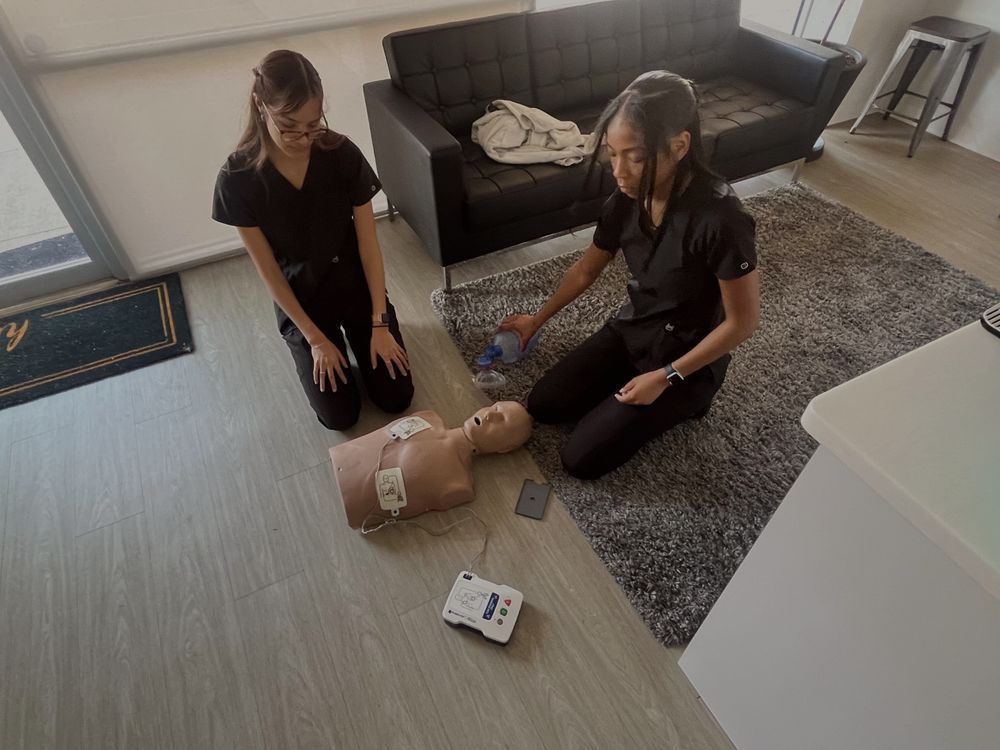
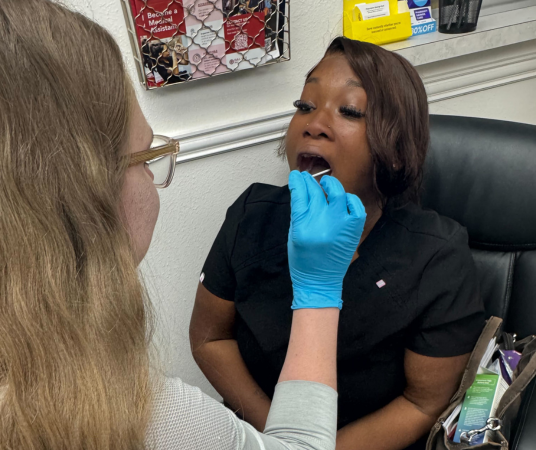
Pulse builds that into the core of the program with intensive, in-person lab experiences. During these labs, students practice key skills under the guidance of experienced instructors, including:
Taking and recording vital signs accurately
Administering injections and performing basic phlebotomy
Using equipment like EKG machines
Preparing exam rooms and assisting with minor procedures
Preparing exam rooms and assisting with minor procedures
Practicing patient communication, body positioning, and workflow
These labs are not an “optional extra”—they’re a central part of the training that helps bridge the gap between online learning and real-world clinical practice.
This combination of structured online coursework plus hands-on labs is exactly what employers and industry experts look for when they evaluate whether a training program is truly preparing job-ready medical assistants. Programs that skip or minimize this step usually struggle to earn respect from clinics and physician practices. Pulse builds it in from day one.
Instruction and Support from Healthcare-Experienced Professionals
One of the clearest indicators of a program’s legitimacy is who is teaching and supporting you. In a serious medical assistant school, instructors and mentors bring real healthcare experience to the classroom—and they understand both the technical skills and the soft skills needed to thrive in clinical settings.
Pulse’s model is built around instruction and support from professionals who know the field, not just generic online facilitators. That matters because:
They can explain not just what you’re learning, but why it matters in real patient care.
They know how clinics and offices actually work, including workflows, time pressure, and communication.
They can help you prepare for certification exams and job interviews based on current hiring expectations.
In addition to the teaching staff, legitimate programs surround students with support structures that help them stay on track and move into the workforce:
Student support and advising: Help with time management, pacing, and navigating the program from start to finish.
Career readiness guidance: Resume support, interview prep, and tips for presenting yourself as a strong entry-level candidate.
Career readiness guidance: Resume support, interview prep, and tips for presenting yourself as a strong entry-level candidate. Certification guidance: Clarity around which certification options are available and how to prepare for those exams after graduation.
When you combine experienced educators with dedicated student services, you get a program that behaves like a true school—not just a website that hands you content and disappears. Pulse fits the former, not the latter.
A Clear Path from Classroom to Clinic—and a Strong Reputation for Outcomes
Legitimacy is not just about how a program looks on paper—it’s about what happens to students after they finish. Real medical assistant schools are focused on outcomes: graduates getting hired, feeling prepared on the job, and successfully building careers in healthcare.
Pulse is designed around that outcome-driven mindset. From the structure of the curriculum to the focus on labs and real-world skills, everything is oriented toward one goal: helping you become a confident, safe, and employable medical assistant in a relatively short timeframe.
Here are a few practical signs that point to Pulse’s legitimacy as a medical assistant educator:
Job-aligned training: The skills you learn match what entry-level medical assistants actually do in clinics, physician offices, and specialty practices.
Certification readiness: The curriculum is designed to give you a solid foundation for pursuing nationally recognized medical assistant certifications, which many employers prefer or require.
Graduate preparedness: The focus on hands-on labs and realistic scenarios helps graduates step into clinical roles with less on-the-job training required by employers.
On top of that, programs like Pulse earn legitimacy over time by building a reputation with local and regional healthcare employers. Clinics and practices learn which schools consistently graduate prepared students and which ones do not. The emphasis on real skills, labs, and career readiness signals that Pulse is committed to being in the first category.
If you are evaluating whether Pulse is “for real,” it helps to ask the same questions you would of any respected program:
Does it teach the competencies employers expect?
Does it provide hands-on practice, not just theory?
Does it offer real support from instructors and staff?
Does it treat students like future professionals, not just customers?
When you look at Pulse through that lens, it stacks up as a serious, career-focused medical assistant school—not a shortcut or a scam.
Is Pulse Right for You?
At the end of the day, legitimacy isn’t just about logos and websites; it’s about whether a program genuinely prepares you to do the work. If you are serious about entering healthcare quickly, you want a program that:
Respects your time and budget
Fits around your real life
Still gives you the depth, practice, and confidence to walk into a clinic and contribute on day one
Pulse is built for exactly that kind of student—someone who is ready to move into a high-demand, patient-facing role without spending years in school, but who still wants solid, credible training.
If you’ve been wondering whether Pulse is a legitimate medical assistant school, the answer comes down to this: it operates like a real career pathway, not a shortcut. With structured online learning, intensive in-person labs, experienced instructors, and a clear focus on workforce readiness, Pulse offers a serious, practical route into the medical assisting profession.
Take the Next Step with Pulse
Take the Next Step with Pulse If you are ready to stop wondering whether a medical assistant program is legit and start building a real healthcare career, Pulse can help you bridge that gap.
Pulse Medical Assistant School is an online-first, 16-week medical assistant program with intensive, in-person labs that give aspiring medical assistants the confidence to help real patients receive real care.
You're only a few months from the medical assistant career you deserve.