Medical Assistant Certification_ A Fast Track to a High-Demand Career
Medical Assistant Certification: A Fast Track to a High-Demand Career
Breaking into healthcare doesn’t have to require years of school, massive student loans, or a long wait to start earning real income. Medical assisting is one of the few clinical professions where motivated learners can build foundational healthcare skills, earn a respected credential, and begin working in just a matter of months—not years. As more clinics, hospitals, and physician offices confront staffing shortages, certified medical assistants (CMAs) have become essential hires that support patient care, clinical workflows, and administrative efficiency across nearly every healthcare setting.
Demand is especially high for certified medical assistants. While some states do not legally require certification, employers overwhelmingly prefer candidates who have completed a recognized training program and passed an accredited certification exam. Certification signals readiness, competence, professionalism, and commitment—all qualities that healthcare employers rely on when choosing who will work closely with patients. If you’re looking for a fast, respected pathway into a meaningful medical career, earning a medical assistant certification is one of the strongest moves you can make.
Certification Accelerates Career Entry—Often in Just a Few Months
One of the leading reasons medical assistant certification is considered a “fast track” is simply the timeline. Many healthcare careers require two to four years of education before a graduate can become employable. In contrast, medical assistant certification programs—especially accelerated, skills-focused models—prepare students for the field in a fraction of the time.
Most certification-aligned programs can be completed in under a year, and some are designed to deliver even faster results without sacrificing quality. These programs streamline learning by focusing directly on the skills medical assistants use every day: taking vitals, performing injections, conducting EKGs, communicating with patients, managing electronic health records, and supporting physicians during clinical procedures. Instead of general education courses or unrelated electives, every lesson is tied to job-ready skills.
Employers value this rapid readiness. Healthcare facilities face persistent staffing gaps, making fast, reliable onboarding a priority. Certified medical assistants demonstrate that they’ve already mastered essential competencies, dramatically shortening the on-the-job training timeline. Graduates often transition directly into full-time roles soon after passing their exam, making the path from enrollment to employment strikingly efficient.
For career-changers, parents, or working adults who need an accelerated route into a stable healthcare profession, certification-based medical assistant programs offer unmatched speed and flexibility—without compromising clinical readiness.
Certified MAs Are in High Demand Across Every Type of Healthcare Setting
Healthcare staffing shortages have been headline news for years, but some roles feel the impact more than others. Medical assistants rank near the top of that list. According to national labor data, employment for medical assistants is projected to grow significantly faster than the national average for all occupations, due to an aging population, expanding outpatient care models, and rising patient volume.
A medical assistant certification turns that demand into opportunity. Employers know that certified candidates enter the job market with a validated foundation of clinical and administrative skills, which reduces risk and increases reliability. As a result, certified MAs enjoy a wider range of opportunities across diverse healthcare environments, including:
Primary care offices
Urgent care centers
Specialty clinics (cardiology, dermatology, orthopedics, pediatrics, OB/GYN, and more)
Outpatient surgery centers
Hospitals and health systems
Community health clinics
Concierge and private-practice care models
The versatility of medical assisting is a major advantage. While some healthcare careers limit you to one specific setting or specialty, medical assistants can apply their skills broadly—and certification makes them even more desirable. As clinics expand, physicians take on larger patient loads, and practices adopt hybrid administrative–clinical workflows, certified MAs play a central, irreplaceable role in ensuring patient care runs smoothly.
This demand translates into not only more job openings but more stability. Healthcare employers depend on medical assistants to support everything from intake to exams to documentation. Certified professionals enter the workforce with built-in job security and ample room for upward growth.
Certification Leads to Higher Earning Potential and Better Advancement Pathways
While entry into the field is fast, the career runway for certified medical assistants is long—and lucrative. Certification is more than a badge on a résumé; it’s a credential that directly impacts earning potential. Employers consistently offer higher wages to certified MAs because of their proven competencies, reduced training overhead, and ability to take on expanded clinical duties.
Certified medical assistants often qualify for:
Higher starting pay
Faster raises
Expanded responsibilities
Opportunities for specialty roles
Eligibility for lead medical assistant or clinical coordinator positions
Because certification involves external validation through an accredited exam, employers view certified MAs as lower-risk hires who can contribute at a higher level, earlier. This translates into tangible financial benefits from day one.
Certification also opens the door to long-term advancement. Many professionals use medical assisting as the foundation for a broader healthcare career, building experience and income while pursuing additional credentials or degrees. Common paths include:
Licensed Practical Nurse (LPN)
Registered Nurse (RN)
Radiologic Technologist
Phlebotomist
Patient Care Technician (PCT)
Healthcare administration or management
Specialization in areas like cardiology, dermatology, or OB/GYN
Because certified medical assistants gain hands-on patient care experience, strong technical competence, and real-world clinical exposure, they transition into these pathways more smoothly. Certification accelerates the start of a rewarding career and keeps the door open for long-term professional growth.
Certification Builds Real Clinical Confidence and Hands-On Skill Mastery
Healthcare employers consistently say that the biggest difference between certified and non-certified medical assistants is confidence—both in themselves and in the employees they hire. Certification programs do more than teach vocabulary and theory. They train students to work with real equipment, real patient scenarios, and real clinical workflows.
This hands-on training is crucial. To be effective on day one, medical assistants need to be able to:
Perform vital signs with confidence
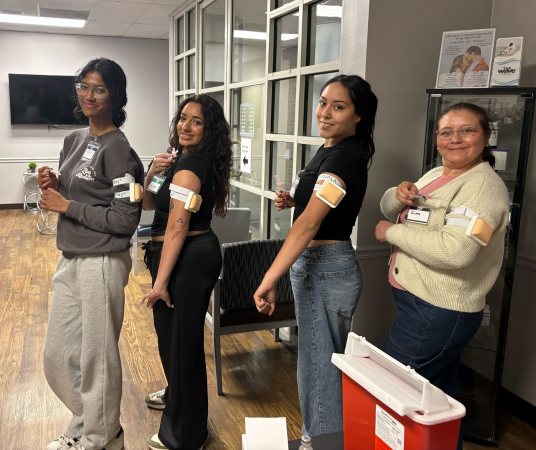
Administer injections safely
Conduct EKGs and point-of-care tests
Assist with minor procedures
Maintain sterile environments
Communicate clearly with patients
Navigate electronic health record (EHR) systems
Support busy medical teams with precision
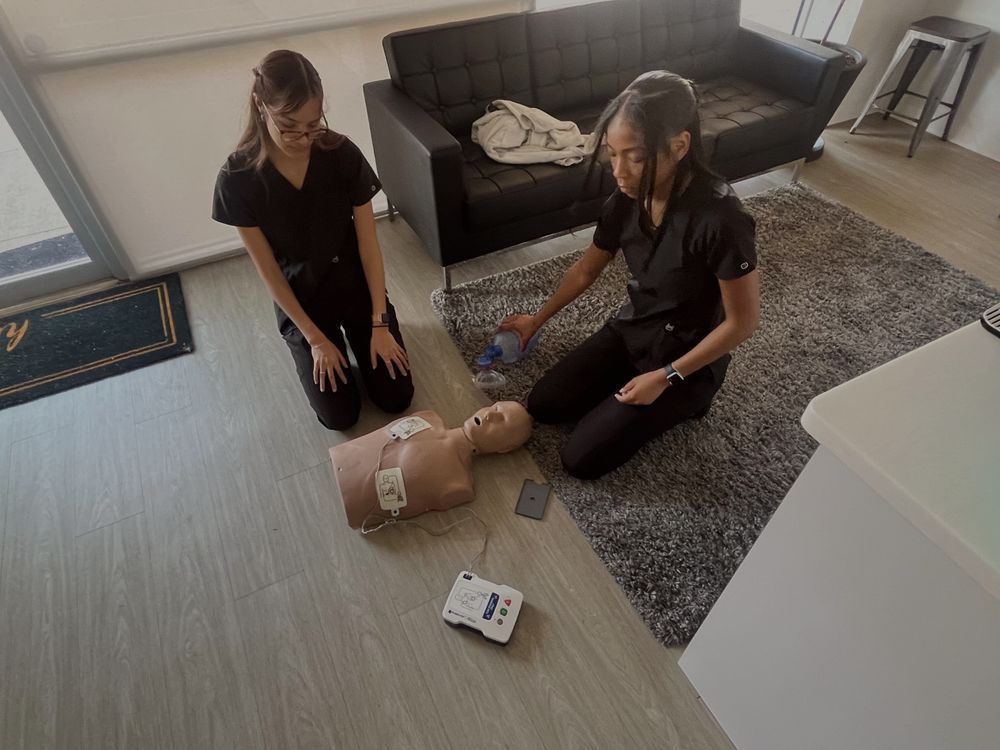
Certification programs incorporate these skills into structured labs, simulations, and clinical practice. Learners graduate not just knowing what to do, but knowing how to do it with competence and professional assurance.
In a field where patient safety and accuracy are non-negotiable, this confidence is valuable. Certified MAs are trusted to handle sensitive tasks, work independently, and support physicians at a higher level. This makes them indispensable in fast-paced clinical environments.
More importantly, certification builds personal confidence. Many students enter the field unsure whether they can succeed in healthcare. Earning a respected credential—and demonstrating mastery of hands-on skills—gives graduates the assurance they need to thrive in patient-facing roles.
Certification Helps You Stand Out in a Competitive Job Market
Healthcare hiring managers review countless applications every year, and certification immediately sets candidates apart. Even in states that don’t legally require certification, employers consistently list it as a preferred or required qualification. In competitive metro regions or large hospital systems, uncertified applicants are often filtered out before interviews begin.
Certification helps you stand out by signaling:
Verified clinical and administrative competence
Commitment to the profession
Completion of standardized training
Readiness to start with minimal supervision
Ability to meet national quality and safety standards
For new entrants to the healthcare workforce, having a standout credential makes a significant difference. Certification reassures employers that you can be trusted with patient care, medical equipment, and sensitive information—responsibilities they cannot delegate lightly.
Better yet, certification is portable. Whether you’re applying locally or across state lines, your credential carries weight nationwide. This gives certified medical assistants geographic flexibility and broad career mobility.
In a job market where employers urgently need reliable, well-trained support staff, certification is often the deciding factor that moves a résumé to the top of the list. For anyone looking to build a stable, respected, high-demand career, certification is one of the most strategic investments you can make.
A Faster, Smarter Way to Start a Rewarding Healthcare Career
Medical assistant certification offers something rare: a fast, affordable, high-demand career pathway that delivers real skills, strong income potential, and long-term professional growth. In just a few months, learners can transition from interest to full employment—equipped with the clinical and administrative expertise employers need most.
As healthcare continues to evolve and expand, certified medical assistants will remain essential pillars of patient care. Whether you’re new to the workforce, exploring a career change, or looking for a stable profession with upward mobility, certification is the key that unlocks opportunity.
Start Your Fast Track with Pulse Medical Assistant School
Start Your Fast Track with Pulse Medical Assistant School If you’re ready to start a high-demand healthcare career quickly—and confidently—Pulse Medical Assistant School is one of the best places to begin. Pulse is an online-first, 16-week medical assistant program with intensive, in-person labs that ensure students graduate with real, hands-on clinical skills. You’ll build the competence, confidence, and patient-care experience employers value—and be fully prepared to begin working as a certified medical assistant.
Your path to a meaningful healthcare career starts today. Ready to take the first step?
You're only a few months from the medical assistant career you deserve.