Why Bilingual Medical Assistants Are in High Demand
Why Bilingual Medical Assistants Are in High Demand
In today’s healthcare system, communication is one of the most powerful tools patients and providers have. When a patient feels understood—both medically and linguistically—they are more likely to trust their care team, share important health information, and follow treatment plans. As the United States becomes more linguistically diverse, medical practices, hospitals, and specialty clinics increasingly rely on bilingual medical assistants to bridge communication gaps and improve the quality of care delivered to patients from a wide range of cultural backgrounds.
Medical assistants already play a crucial role in keeping clinics running smoothly. They perform clinical tasks, manage administrative responsibilities, and serve as the first point of contact for many patients. When those same medical assistants can confidently communicate in more than one language, their value grows significantly—both for employers and for the communities those employers serve. Below, we explore five key reasons why bilingual medical assistants are in such high demand today.
They Improve Patient Communication and Trust
Strong communication is the foundation of effective healthcare. When patients speak a different language than their provider or feel unsure about expressing themselves, they may hesitate to describe symptoms, ask questions, or share sensitive information. This can lead to misdiagnoses, delayed treatment, or unnecessary anxiety during the visit.
Bilingual medical assistants remove this barrier by speaking directly with patients in their preferred language. This creates an immediate sense of trust and comfort, which is essential during medical appointments where individuals may already feel vulnerable or overwhelmed. Being able to communicate clearly with a patient can help them arrive prepared for their visit, understand instructions, and provide more accurate medical histories.
Additionally, bilingual medical assistants help eliminate misunderstandings that can occur with translation apps or rushed third-party interpreting services. When communication is seamless from the moment a patient checks in to the moment they leave the clinic, the experience is more positive and the care is more effective.
They Support Accurate Clinical Documentation
Language barriers don’t just impact conversations—they affect documentation, charting, and care coordination. A patient who struggles to describe their medications, allergies, or medical history in English may unintentionally give incomplete or incorrect information. This creates challenges for physicians, nurses, and specialists who rely on precise details to make clinical decisions.
Bilingual medical assistants help ensure the information entered into a patient’s electronic health records is accurate and complete. They can gather detailed histories, review instructions with patients, and clarify questions that might otherwise go unanswered. This reduces the risk of errors and helps the care team deliver more personalized and safe treatment.
Bilingual communication also helps during clinical tasks such as preparing patients for procedures, explaining sample collection, or reviewing pre-appointment requirements. When patients fully understand what is being asked of them, compliance improves—and so does the overall quality of care.
They Increase Clinic Efficiency and Patient Flow
In busy medical practices, every minute counts. Miscommunication can slow down the check-in process, lengthen appointments, and create duplicate work for the clinical team. When a medical assistant needs to call an interpreter or wait for help translating a conversation, it can disrupt workflow and increase wait times for everyone in the clinic.
A bilingual medical assistant keeps patient flow moving smoothly because they can handle communication directly and without delay. They can check in patients faster, obtain accurate patient histories on the first attempt, and support physicians who need real-time clarification for treatment plans or exam instructions.
This efficiency results in:
Shorter wait times
Smoother scheduling
Fewer appointment backlogs
More satisfied patients
Less stress on the entire care team
For healthcare employers, this translates into better productivity, improved patient ratings, and stronger financial performance. For patients, it means easier access to the care they need—and a more positive experience every time they walk through the door.
They Strengthen Cultural Competency and Patient Inclusion
Healthcare is not just about treating conditions—it’s about understanding people. Cultural competency has become a major focus in clinics across the country, and bilingual medical assistants play an essential part in fostering inclusive, patient-centered care.
Language skills often come with cultural understanding. Bilingual medical assistants may understand cultural norms, expectations, and communication styles better than monolingual team members. This awareness helps them connect more deeply with patients, explain procedures more respectfully, and support sensitive conversations, especially around topics like reproductive health, chronic illness, or mental health concerns.
They also help clinics:
Provide care that respects cultural differences
Reduce patient anxiety and confusion
Build stronger long-term patient relationships
Ensure no one feels excluded due to language barriers
As communities continue to diversify, healthcare organizations recognize the importance of having staff who can relate to and communicate with patients from all backgrounds. Bilingual medical assistants fill that need in a powerful and personal way.
They Create More Opportunities for Career Growth
Finally, being bilingual opens doors for medical assistants who want to build long, successful careers in healthcare. Employers consistently list bilingual applicants as highly desirable, and many clinics actively recruit candidates who speak Spanish, Mandarin, Vietnamese, Arabic, and other commonly used languages.
Bilingual medical assistants may:
Earn higher salaries
Access specialized clinic roles
Move into leadership or patient liaison positions
Support community outreach initiatives
Work in hospitals, urgent care centers, or specialty practices
Become invaluable team members during public health emergencies
Become invaluable team members during public health emergencies Additionally, bilingual skills transfer directly to advanced healthcare credentials. Many bilingual medical assistants later become nurses, care coordinators, community health workers, and even physician assistants—roles where communication remains a critical component of patient care.
Healthcare systems know that employees who can serve a wider patient population help improve outcomes and strengthen trust across entire communities. This makes bilingual medical assistants not just helpful, but essential.
Find a Future in Healthcare
The need for bilingual medical assistants continues to grow as healthcare organizations work to better serve diverse communities and improve patient experiences. From building trust to reducing clinical errors to improving operational efficiency, bilingual team members help bridge the communication gap that often stands between patients and high-quality care.
Whether someone is beginning a new career in healthcare or looking to expand their skill set, bilingual abilities can set them apart in today’s competitive job market. For many aspiring medical assistants, language skills are not just an advantage—they’re a powerful way to make a meaningful difference in patients’ lives.
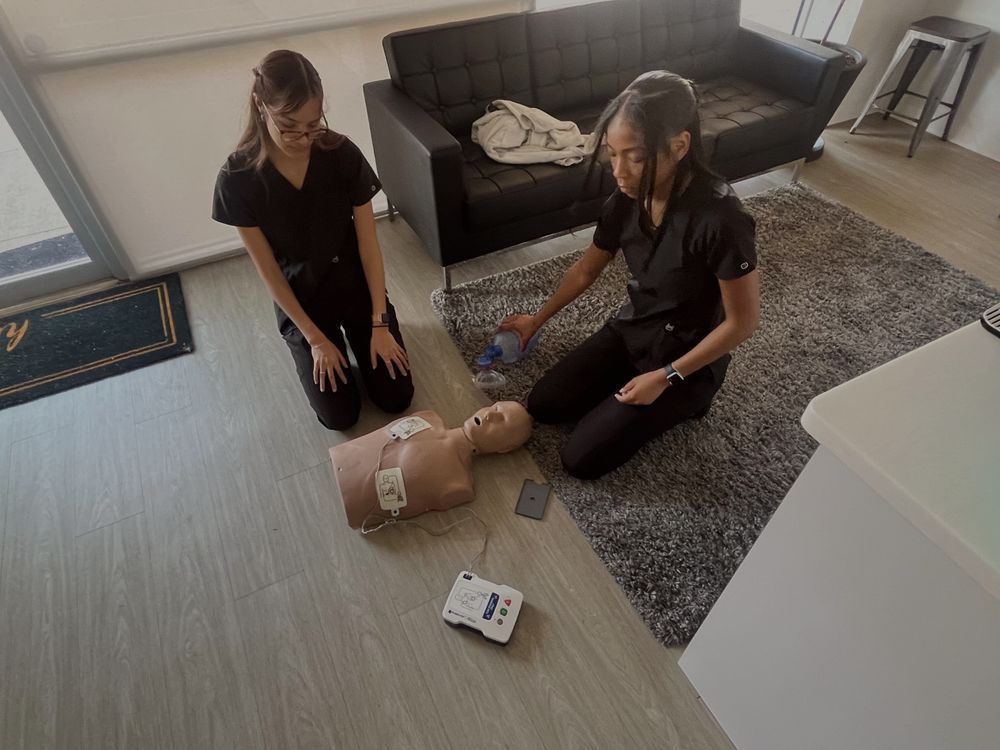
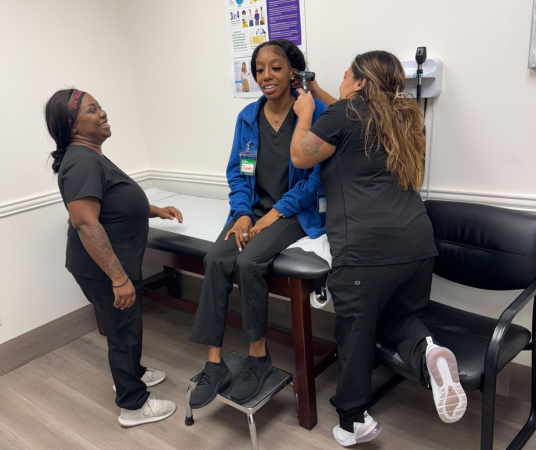
If you’re ready to begin a rewarding career where your bilingual skills can make a real impact, Pulse Medical Assistant School can help you get there. Pulse is an online-first, 16-week medical assistant program designed to prepare you for the demands of modern healthcare. With intensive, in-person labs led by experienced instructors, you’ll graduate with the confidence and hands-on skills needed to help real patients receive real care.
Start your journey today with Pulse Medical Assistant School and open the door to a career where your voice truly matters.
You're only a few months from the medical assistant career you deserve.