Medical Assistant Salary: What You Can Expect and Why Pulse's $2,990 Program Is a Smart Investment
Before you invest in training, you want to know what’s on the other side. Medical assistant salary is one of the first things people research — and for good reason. You need to know whether the career can support your life and whether the cost of training makes financial sense.
Here’s a practical look at what influences medical assistant pay, how certification plays into it, and why Pulse’s program is priced the way it is.
What affects medical assistant salary?
Medical assistant pay isn’t fixed — it depends on several factors:
1. Location
Healthcare wages vary by region. Areas with a higher cost of living or a shortage of trained medical assistants tend to offer higher pay.
2. Type of employer
Where you work matters:
- Physician offices — the most common setting; pay is generally stable
- Outpatient care centers — often faster-paced with slightly higher wages
- Hospitals and health systems — may pay more but often expect more experience
- Specialty practices — dermatology, cardiology, orthopedics, and other specialties can offer premium pay
3. Experience
Entry-level positions start at one end of the range, but medical assistants who show up consistently, take on responsibilities, and build trust with their teams see steady pay increases over time.
4. Certification
Here’s where it gets relevant to your training decision. Holding a medical assistant certification — like the CCMA — can give you a measurable edge:
- Certified candidates are often prioritized during hiring
- Some employers offer higher starting wages for certified medical assistants
- Certification can open the door to roles with more responsibility (and more pay)
5. Soft skills
Communication, reliability, professionalism, and the ability to stay calm under pressure all affect how quickly you advance — and advancement means better pay.
The ROI of Pulse’s program
Pulse’s full tuition is $2,990. That includes:
- 16 weeks of structured, instructor-led training
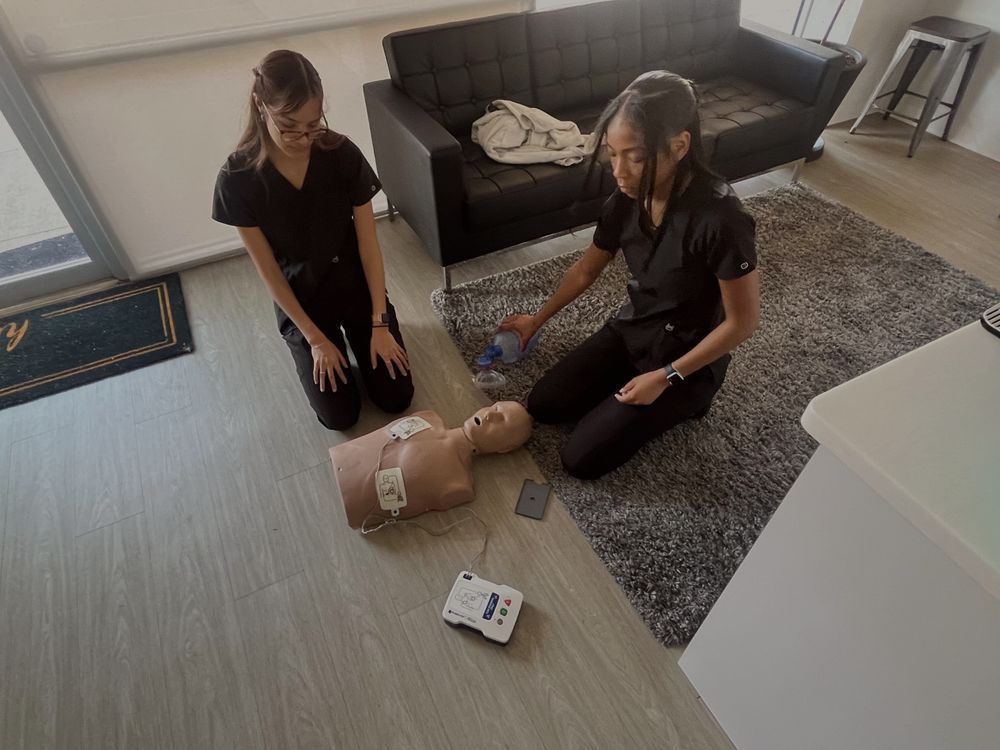
- 4 in-person labs for hands-on clinical practice
- CCMA exam preparation and the exam fee itself
- Flexible weekly payment plans — no loans, no debt
Compare that to degree programs that can cost $10,000–$30,000+ and take 1–2 years. Pulse is designed to get you job-ready and certified in 16 weeks at a fraction of the cost.
Even at an entry-level medical assistant salary, the program can pay for itself within the first few months of employment. That’s a strong return on investment.
Career growth beyond entry level
Medical assisting doesn’t have to be a stopping point. With experience and certification, you can:
- Move into lead medical assistant or clinical coordinator roles
- Specialize in phlebotomy, EKG technology, or medical billing
- Transition into office management or practice administration
- Use the experience as a foundation for nursing or other advanced healthcare careers
The further you go, the more your earning potential grows.
Ready to invest in your future?
- See what you’ll learn: Program details
- Review tuition and weekly payment options: Tuition
- Talk to our team: Contact
- Apply: How to apply
You're only a few months from the medical assistant career you deserve.