The Impact of AI on the Future of Medical Assisting
The Impact of AI on the Future of Medical Assisting
Artificial intelligence (AI) is changing the landscape of the healthcare industry at an unprecedented pace. From streamlining clinical workflows to supporting more accurate diagnoses, AI-powered tools are steadily becoming part of everyday medical practice. For medical assistants (MAs), these advances bring exciting opportunities to work more efficiently, deliver even better patient care, and expand their responsibilities in meaningful ways. Instead of replacing MAs, AI is reshaping the profession—allowing medical assistants to focus more on the human-centered work that only they can do.
As healthcare continues to digitalize, the demand for professionals who understand both clinical practice and modern technology will continue to rise. MAs with training in digital tools, electronic health records (EHRs), and AI-enhanced equipment will be better prepared to take on evolving responsibilities. AI is not a distant future concept; it is already here, and its influence will only grow. Understanding how AI impacts medical assisting today—and what it will look like in the near future—can help new and aspiring MAs position themselves for long-term success in an innovative and fast-moving field.
AI Will Enhance Administrative Efficiency
Medical assistants spend a significant portion of their time completing administrative tasks—scheduling appointments, updating records, managing insurance information, and communicating with patients. AI will streamline these processes, helping MAs accomplish more in less time and with fewer errors.
For example, AI-powered scheduling tools can automatically match appointment times with provider availability, patient preferences, and even estimated visit lengths. Chatbots can help answer common inquiries, freeing MAs to focus on more complex tasks. AI-driven EHR systems will also reduce the manual workload by autofilling forms, flagging missing information, and helping organize documentation.
As a result, MAs will be able to shift more of their attention to direct patient care. With administrative burdens reduced, medical assistants will feel less rushed, more organized, and more capable of supporting physicians and nurses with high-quality, personalized care.
AI Will Improve Accuracy in Clinical Tasks
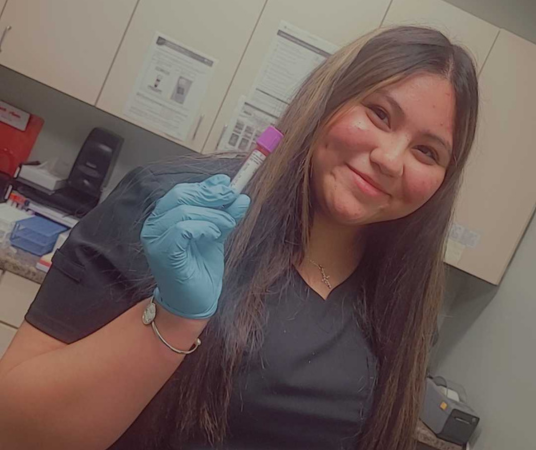
AI-powered tools are transforming the accuracy and consistency of clinical procedures. While MAs will continue to perform tasks like taking vital signs, preparing blood samples, and recording patient histories, AI-driven devices will support these tasks to ensure precision and consistency.
For instance, smart diagnostic tools can detect subtle changes in vital signs, helping identify potential health issues earlier. AI can evaluate patient-reported information for patterns that may indicate underlying concerns. Automated reminders and checklists integrated into clinical systems can help MAs ensure every step of a procedure is completed correctly.
These enhancements do not replace medical assistants—they empower them. By pairing MA skills with AI-driven insights, patient care becomes more reliable, and clinical outcomes improve. Over time, MAs will become even more valued as the professionals capable of blending human care with technological tools.
AI Will Expand Telehealth and Remote Patient Support
Telehealth saw tremendous growth in recent years, and AI will make it even more effective. Medical assistants already play a critical role in remote care—helping triage patients, prepare digital visit information, and communicate between providers and patients. As AI improves telehealth platforms, these responsibilities will grow.
AI can support remote vitals monitoring, patient reminders, follow-up instructions, and virtual symptom checkers. MAs may oversee systems that track patient progress between in-person visits, making them essential in chronic care management. AI-enabled tools can automatically alert MAs and providers if a patient’s health data suggests a concern.
With these advancements, MAs will increasingly become the connective thread between patients and providers across both digital and in-person environments. This expanded role will require communication skills, adaptability, and comfort with new technology—all skills that modern training programs prioritize.
AI Will Strengthen Patient Communication and Experience
Although AI can automate or support many tasks, meaningful patient interactions still rely heavily on human empathy—and medical assistants provide much of that connection. AI will actually enhance patient interactions by giving MAs more time, better tools, and personalized insights.
AI-powered patient engagement platforms may provide individualized health education, medication reminders, or lifestyle recommendations. MAs will help interpret this information, answer questions, and guide patients through their care journey. AI translations for non-English speakers, voice recognition for accessibility, and mood-detection tools will help MAs meet patients’ needs more effectively.
More importantly, with AI reducing administrative burdens, MAs will have more time to focus on the interpersonal side of care. They can greet patients with less stress, help them feel understood, and provide the compassionate support that AI cannot. This reinforces one of the most important truths about the future of healthcare: technology enhances human care—it does not replace it.
AI Will Create New Specializations and Career Opportunities for MAs
As AI becomes more integrated into healthcare systems, medical assistants will see new pathways for professional growth. Clinics and hospitals will increasingly need MAs who can support technology implementations, manage digital health tools, and work alongside AI-enhanced equipment.
Some emerging opportunities might include:
AI-supported patient monitoring coordinator
Digital health workflow specialist
EHR optimization assistant
Remote care coordinator
Clinical data assistant
With additional certifications or experience, MAs may also transition into supervisory or training roles where they help others adopt new technologies. The more comfortable MAs are with AI tools, the more valuable they become to their healthcare teams.
These expanded responsibilities will not only improve job satisfaction but may also increase earning potential. AI is creating a landscape where skilled MAs have more opportunities, not fewer.
AI Will Require MAs to Develop Stronger Technical Skills
As technology becomes a foundational part of medical assisting, MAs will need to build confidence with digital systems. Modern training programs already include education in EHRs, telehealth tools, and digital documentation—but AI will take these expectations further.
Future MAs will benefit from:
Understanding AI-enabled diagnostic tools
Understanding AI-enabled diagnostic tools
Learning how to troubleshoot basic technical issues
Interpreting AI-generated reports
Supporting providers in implementing new software
Maintaining digital equipment used in clinical procedures
This doesn’t mean MAs need to become software experts. Instead, they will need to feel comfortable navigating technology, using automated tools, and adapting to rapid changes in healthcare systems. Training programs that emphasize hands-on experience with digital tools will best prepare medical assistants to thrive in AI-enhanced environments.
The good news is that increased technical skill also means increased career flexibility and advancement opportunities. MAs who embrace AI will stand out in a competitive job market and position themselves as leaders in modern healthcare.
AI Is Transforming the MA Profession—in a Good Way
Artificial intelligence is shaping the future of healthcare, and medical assistants are at the heart of that transformation. Instead of replacing MAs, AI will make their work more efficient, more accurate, and more focused on what matters most: patient care. With improved tools, expanded responsibilities, and new opportunities for advancement, the future is bright for MAs who embrace innovation.
By gaining the right training and building strong clinical and technical skills, aspiring medical assistants can enter the field with confidence—ready to thrive in a healthcare system where humans and technology work hand-in-hand.
Start Your Medical Assistant Journey with Pulse Medical Assistant School
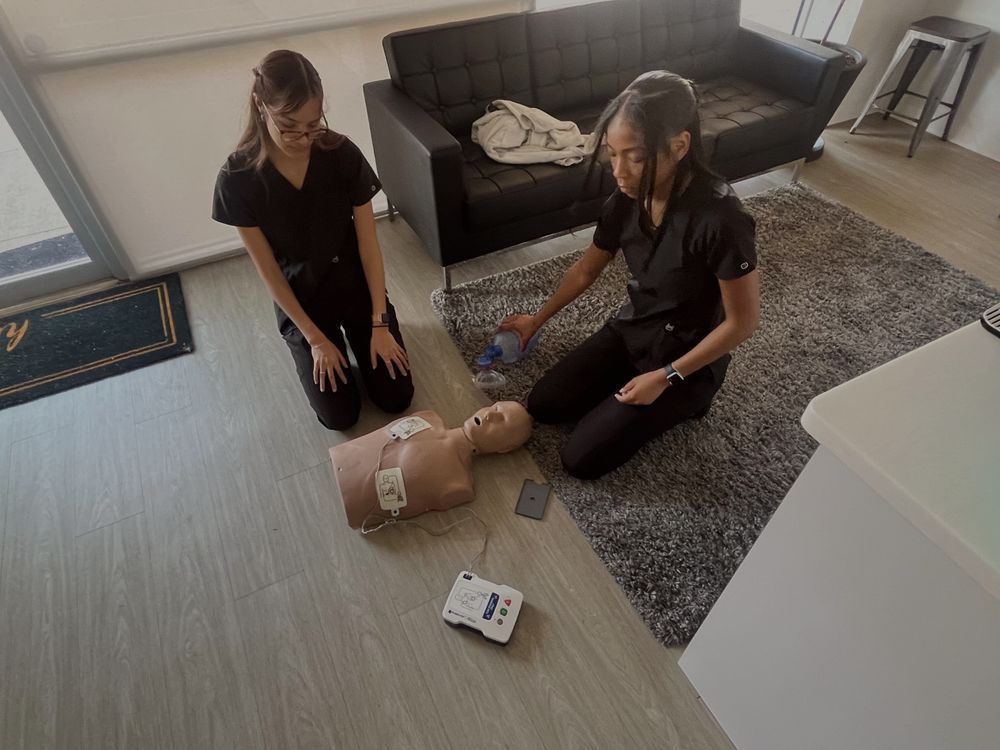
Start Your Medical Assistant Journey with Pulse Medical Assistant School If you’re excited about the future of healthcare and want to enter a career shaped by innovation, Pulse Medical Assistant School can help you get there. Pulse is an online-first, 16-week medical assistant program with intensive, in-person labs that prepare students for real-world responsibilities. With a curriculum designed for today’s digital healthcare environment, Pulse gives aspiring MAs the knowledge, hands-on training, and confidence to help real patients receive real care. Your future in medical assisting starts here.
You're only a few months from the medical assistant career you deserve.