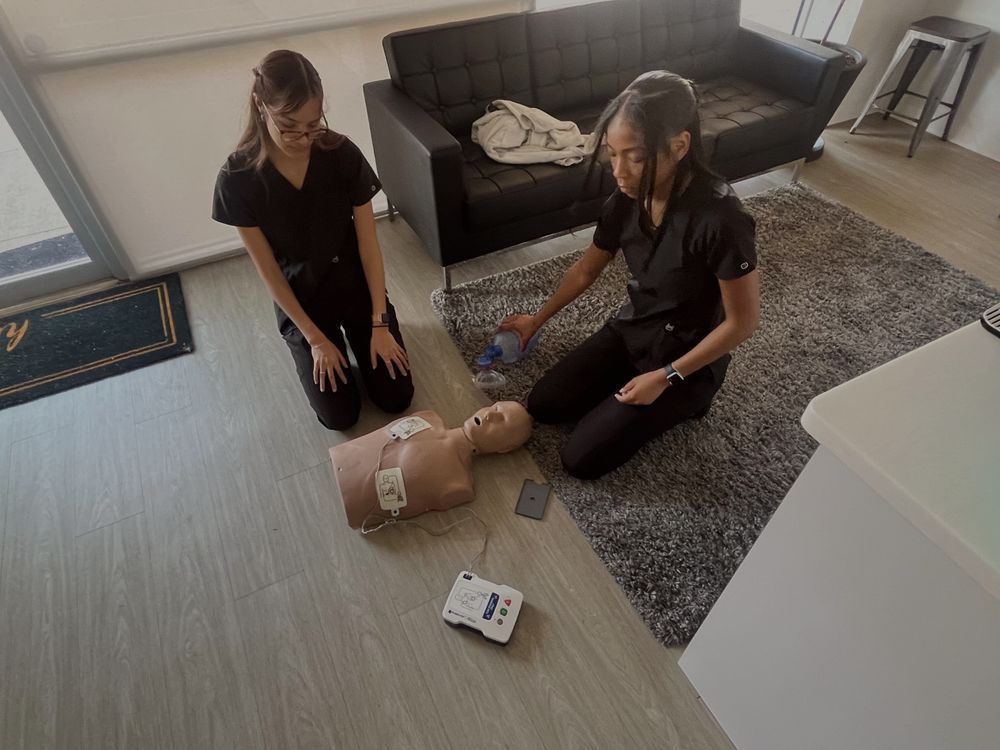
The Importance of Continuing Education for Medical Assistants
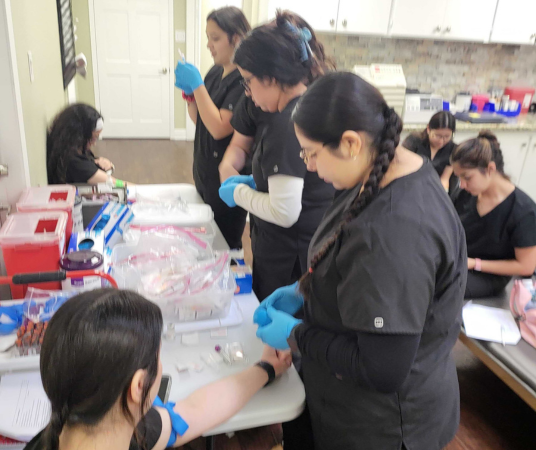
The Importance of Continuing Education for Medical Assistants
Continuing education has become a defining part of long-term success in the healthcare field, and medical assistants are no exception. As clinical technologies evolve, patient expectations shift, and new regulations take effect, medical assistants must continually update their knowledge and skills to keep pace. Ongoing learning doesn’t just improve job performance—it empowers professionals to grow, adapt, and remain competitive in a fast-changing environment.
For medical assistants, continuing education opens doors to advancement, specialization, leadership roles, and greater confidence in patient care. Whether a medical assistant is new to the profession or looking to expand their responsibilities, ongoing training provides a way to build expertise while meeting the demands of modern healthcare. Below are five reasons why continuing education is essential for any medical assistant who wants to build a strong and lasting career.
Staying Current With Evolving Healthcare Technologies
Healthcare technology changes rapidly, and medical assistants must stay updated to remain effective in their roles. From new electronic health record (EHR) systems to digital diagnostic tools, technology has transformed nearly every aspect of patient care. Continuing education ensures medical assistants are not only familiar with emerging tools, but also confident in using them. This reduces errors, improves efficiency, and enhances the overall patient experience.
Beyond learning new systems, training also helps medical assistants understand how technology intersects with compliance, such as HIPAA regulations and secure patient communication. As telehealth becomes more common, staying educated about virtual care platforms, digital triage tools, and remote patient monitoring is even more important. Medical assistants who commit to ongoing learning position themselves as valuable assets to employers seeking team members who can adapt to new workflows with ease.
Meeting Certification and Licensure Requirements
Many medical assistant certifications—including those from organizations like the AAMA, NHA, and AMT—require continuing education to stay valid. These certifications reassure employers that the medical assistant has up-to-date knowledge and adheres to professional standards. Failing to meet continuing education requirements can lead to expired credentials, which may limit job opportunities or slow career advancement.
Continuing education is also important for maintaining compliance within the workplace. Healthcare regulations change frequently, and medical assistants are often responsible for tasks tied directly to legal or accreditation standards. Courses on topics like infection control, safety protocols, EHR documentation, and medical law help ensure medical assistants follow current guidelines. By staying informed through continuing education, medical assistants protect themselves, their employers, and their patients from costly mistakes.
Expanding Skills for Greater Job Responsibilities
Continuing education gives medical assistants the tools to take on more advanced responsibilities within a clinic or healthcare facility. Many offices rely on medical assistants to support both administrative and clinical functions, and additional training can make a medical assistant highly versatile. With ongoing education, MAs can learn new clinical competencies such as administering injections, performing EKGs, assisting with minor procedures, or mastering advanced medical terminology.
This expanded skill set not only increases a medical assistant’s value to employers but can also lead to higher pay or promotions. Medical assistants who pursue specialized training—such as in phlebotomy, cardiology, dermatology, ophthalmology, or medical billing—can position themselves for niche roles that offer more responsibility and variety. In a competitive job market, the medical assistants with the broadest and most relevant skill sets tend to stand out.
Improving Patient Care and Strengthening Patient Relationships
One of the strongest reasons to pursue continuing education is its impact on patient care. Patients interact closely with medical assistants, whether during intake, vitals, screenings, or follow-up instructions. When medical assistants stay up-to-date on best practices, they deliver safer, more accurate, and more compassionate care. Continuing education reinforces essential clinical skills and introduces updated guidelines for everything from wound care to vaccinations to patient communication.
Education also enhances soft skills, which are just as important as clinical knowledge. Courses in communication, empathy, cultural competency, or patient engagement can transform how medical assistants interact with diverse patient populations. The better a medical assistant understands how to build trust, reduce patient anxiety, and communicate clearly, the more positive the experience becomes for the patient. Continuing education ultimately strengthens the MA’s role as a reliable, knowledgeable, and approachable healthcare professional.
Increasing Career Mobility and Long-Term Earning Potential
Continuing education is a powerful tool for career growth. For many medical assistants, long-term goals include supervisory positions, lead MA roles, clinical team leadership, or even transitions into nursing, healthcare administration, or specialized clinical roles. Continuing education creates the pathway to pursue these opportunities by building the necessary skills, credentials, and confidence.
Medical assistants who want to enter management or leadership often benefit from courses in healthcare operations, team communication, conflict resolution, and office management. Those who want to continue into more advanced clinical roles may take courses that prepare them for nursing school, specialty certifications, or additional technical skills. Employers often look for candidates committed to growth, making continuing education a key factor in promotions and higher-paying opportunities. Investing in ongoing learning today set medical assistants up for stability and success in the years ahead.
Start Your Training With Pulse Medical Assistant School
Start Your Training With Pulse Medical Assistant School Continuing education is essential for medical assistants who want to thrive in today’s healthcare environment. By staying current with technology, meeting certification requirements, expanding clinical and administrative skills, improving patient care, and opening doors to new opportunities, medical assistants can ensure long, successful, and rewarding careers. Ongoing learning not only benefits the individual medical assistant but also strengthens the entire healthcare system by elevating the quality of care patients receive.
If you’re ready to begin or advance your career as a medical assistant, Pulse Medical Assistant School offers the education and hands-on experience you need. Pulse is an online-first, 16-week medical assistant program with intensive, in-person labs designed to give aspiring medical assistants the confidence and clinical skill needed to help real patients receive real care. Whether you’re getting started in the field or preparing for long-term advancement, Pulse provides a flexible and trusted pathway to a meaningful healthcare career.
You're only a few months from the medical assistant career you deserve.