Why Is Hybrid Medical Assistant Education Better Than Online-Only Training_
Why Is Hybrid Medical Assistant Education Better Than Online-Only Training?
Becoming a medical assistant is one of the fastest ways to start a career in healthcare, but choosing the right type of training matters. Many students are drawn to online programs because they seem convenient, flexible, and affordable. While online coursework can provide a strong foundation in theory, it doesn’t fully prepare students for the hands-on, patient-facing nature of medical assisting. That’s where hybrid programs—those combining online learning with structured in-person labs—stand out.
Hybrid medical assistant education gives students the best of both worlds: the flexibility of online coursework and the real-world experience that only hands-on training can provide. Employers consistently prefer graduates who have practiced clinical skills in person, and hybrid programs deliver the type of immersive, experiential education that builds confidence, accuracy, and patient-readiness. Below, we break down five reasons hybrid medical assistant training is superior to online-only education.
Hybrid Learning Builds Real Clinical Skills Through Hands-On Labs
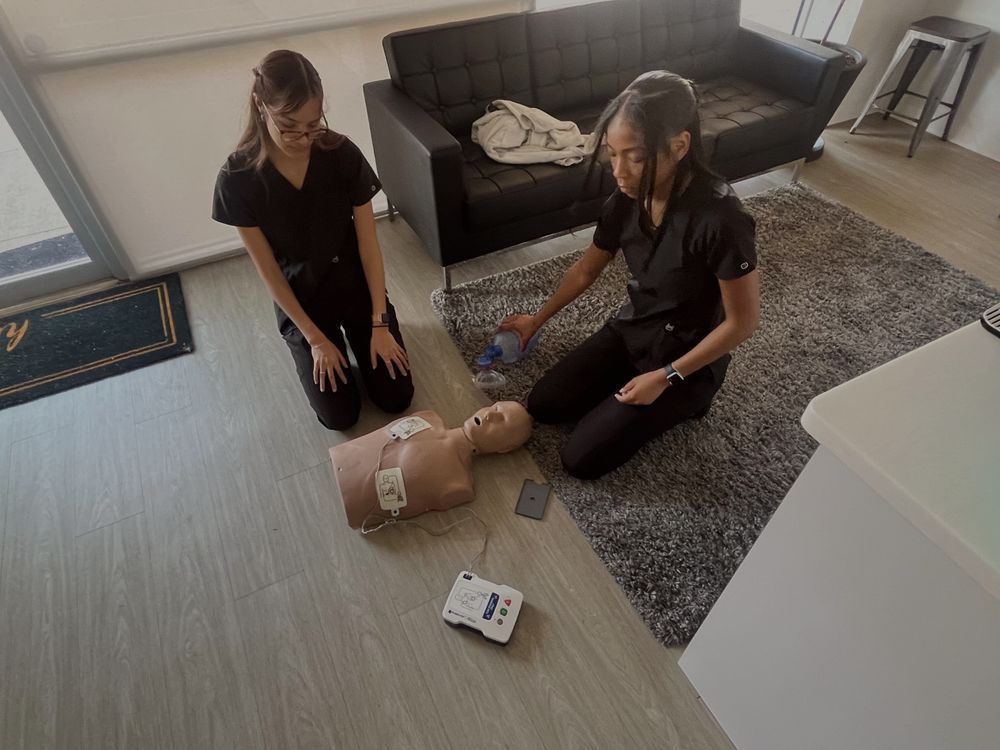
Online-only programs can teach the “what” and the “why,” but they can’t teach the “how.” Medical assistants perform a wide range of clinical tasks—from drawing blood to taking vital signs to assisting with minor procedures—that require muscle memory and in-person guidance. Hybrid programs incorporate hands-on lab sessions where students can practice these skills using real equipment, mannequins, and simulations.
In these in-person labs, students learn proper technique, safety procedures, and accuracy in a controlled environment before working with actual patients. Learning how to perform injections, measure blood pressure, or complete EKGs is far more effective when students have trained under an instructor who can correct mistakes and ensure proper skill development. This type of real-time feedback simply isn’t possible in an online-only format.
Mastering clinical skills through supervised practice is also what makes students truly job-ready. Employers expect medical assistants to contribute on day one, and hands-on labs give future MAs the certainty that they’re not just learning concepts—they’re learning how to care for people.
Students Benefit from Direct Instructor Support and Peer Interaction
Online-only programs can feel isolating. Without face-to-face interaction, students may struggle to ask questions, clarify concepts, or feel connected to instructors and classmates. Hybrid programs solve this by including in-person labs where students can build relationships, share ideas, and learn from each other’s experiences.
Having direct access to instructors also transforms the learning process. Instead of waiting for an email or message thread, students can receive immediate support during labs, ask questions as they practice skills, and get personalized feedback tailored to their learning pace. Many students find this boosts their confidence and helps them master material more effectively.
Peer interaction is equally valuable. Students see how others perform tasks, learn from group activities, and gain insights they might miss in an online-only program. Healthcare is a team-based profession, and working alongside classmates builds collaboration skills that translate directly to the workplace.
Hybrid Programs Prepare Students for Real Employer Expectations
Medical employers—from primary care offices to specialty clinics to urgent care centers—want graduates who can step into a clinical environment and function smoothly. Online-only programs often leave students with theoretical knowledge but limited practical experience, making employers hesitant to hire them without substantial on-the-job training.
Hybrid programs replicate real medical environments through structured labs. Students learn to work with medical instruments, electronic health record systems, and patient-care standards that mirror what is required in clinics. This helps them understand workflow, safety protocols, and the pace of a functioning healthcare practice.
Because hybrid-trained students have already learned essential clinical procedures in person, employers see them as lower-risk and higher-value candidates. They can trust that the student has practiced these skills under the supervision of a qualified instructor rather than simply watching videos or completing quizzes.
In a competitive job market, hands-on experience gives hybrid graduates a clear edge.
Hybrid Education Reinforces Learning Through Practical Application
Research shows that people learn best by doing. While online modules can teach definitions and concepts, hybrid education ensures students apply what they’ve learned in real-life scenarios. This deepens understanding and improves retention.
For example, learning the steps of an EKG online may help students memorize the procedure, but applying electrodes during an in-person lab—and troubleshooting common issues—ensures they truly understand the process. The same goes for checking vital signs, preparing patients for exams, or performing phlebotomy. Repetitive, supervised practice helps students internalize techniques and build confidence.
This connection between theory and application is especially important for students entering healthcare for the first time. It prevents skill gaps, reduces anxiety, and minimizes the mistakes new medical assistants can sometimes make when jumping straight from an online course into a clinical setting.
Hybrid programs create a safer, more supportive learning environment where students can practice without fear—long before they are responsible for patient care.
Hybrid Programs Boost Confidence and Professional Readiness
One of the biggest advantages of hybrid education is how it builds student confidence. Many students worry about entering a medical office without prior experience. Hybrid programs ease this transition by giving learners exposure to equipment, procedures, and real-world expectations during in-person labs.
During hands-on sessions, students become familiar with:
Clinical workflows
Patient communication essentials
Infection control standards
Charting and documentation
Exam room setup and breakdown
Basic diagnostic testing
This type of preparation helps students walk into their first job with a sense of competence and professionalism that online-only students often lack. They already know what an exam room looks like, how to interact with patients, and how to support providers during routine procedures.
Confidence matters in healthcare. When medical assistants feel ready, they perform better, communicate more clearly, and contribute to a positive patient experience. Hybrid programs give students the assurance that they have practiced their skills, made mistakes, improved under supervision, and are prepared to deliver high-quality care.
Start Your Medical Assistant Journey with Pulse
Start Your Medical Assistant Journey with Pulse Hybrid medical assistant education offers something online-only programs simply can’t replicate: real, hands-on practice with the tools, techniques, and environments medical assistants encounter every day. By combining the flexibility of online coursework with the real-world value of in-person labs, hybrid programs produce graduates who are confident, skilled, and ready for patient-facing roles.
Whether students want to master essential clinical skills, build professional readiness, or feel confident treating real patients, a hybrid approach ensures they receive comprehensive, well-rounded training.
If you’re planning a future in healthcare, a hybrid-style medical assistant program is the best way to gain both knowledge and real experience. Pulse Medical Assistant School offers an online-first, 16-week medical assistant program that includes intensive, in-person labs designed to help students build clinical skills, gain confidence, and feel fully prepared to support real patients and real providers. It’s the fastest, most practical way to start a career in the medical field—with the hands-on training employers trust.
You're only a few months from the medical assistant career you deserve.