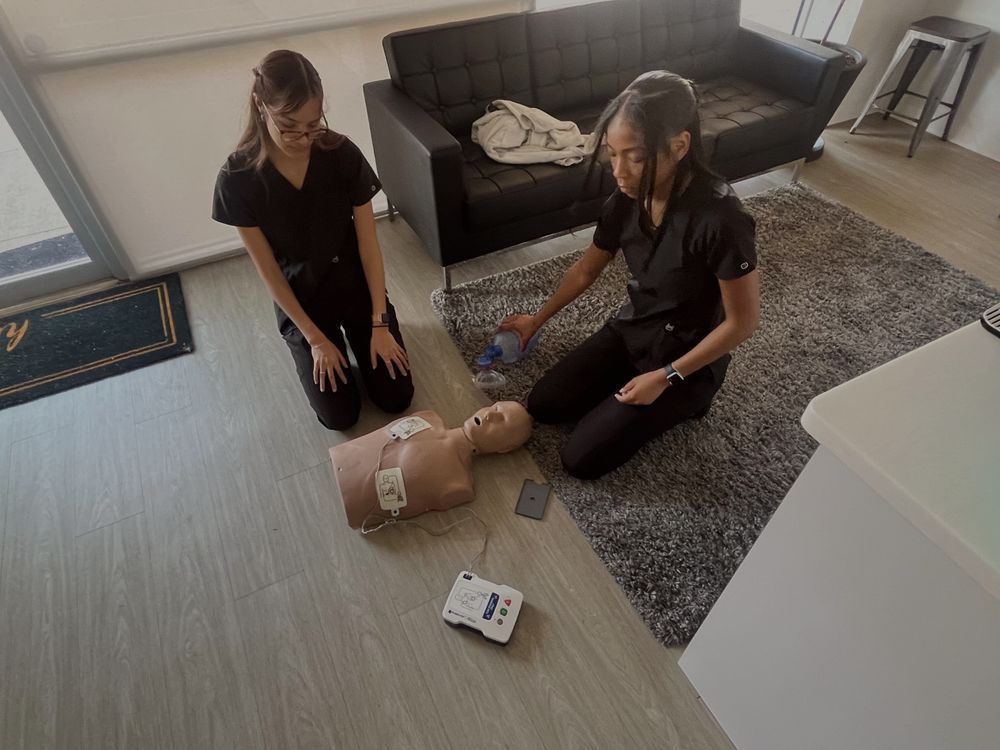
Using LinkedIn to Advance Your Medical Assistant Career
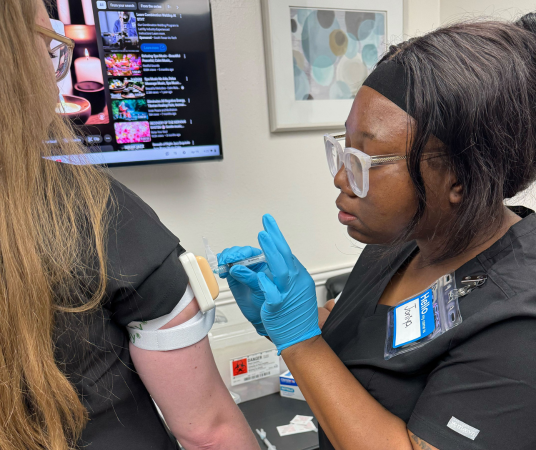
Using LinkedIn to Advance Your Medical Assistant Career
Building a successful career in medical assisting requires more than clinical skills—it requires visibility, networking, and ongoing professional development. While many medical assistants focus on mastering patient care, communication, and administrative tasks, one of the most overlooked career tools is LinkedIn. This professional networking platform offers a powerful way to stand out to employers, connect with healthcare professionals, and position yourself for long-term career growth.
Whether you’re just starting your medical assistant journey or looking to advance into leadership, specialty care, or administrative roles, LinkedIn can help you make meaningful connections and showcase your strengths. With strategic use, the platform becomes more than a digital résumé—it becomes a personal branding tool, a learning hub, and a gateway to new opportunities. Below are six effective ways to use LinkedIn to move your medical assistant career forward.
Build a Strong, Professional LinkedIn Profile
| Your LinkedIn profile is often the first impression employers, recruiters, and healthcare leaders will have of you. A complete, polished profile signals that you’re serious about your career and ready for new opportunities. Start by using a clear, professional headshot—no selfies, no crowded backgrounds. Next, write a concise headline that describes who you are and what you aspire to do, such as “Medical Assistant | Patient-Centered Care | Aspiring Pediatric MA”. |
Your “About” section should highlight your passion for patient care, your strengths, and your career goals. This is your chance to share what makes you unique—do you excel at patient communication? Do you love learning new clinical skills? Are you driven by helping underserved communities? A well-written summary sets the tone for your entire profile and helps readers connect with you on a personal level.
Finally, make sure your experience, certifications, and skills are up to date. List clinical competencies like vital signs, injections, phlebotomy, and EHR proficiency, as well as soft skills like empathy, teamwork, and communication. A polished profile increases your chances of being discovered by recruiters who specifically search for qualified medical assistants.
Highlight Certifications, Skills, and Accomplishments
LinkedIn allows you to showcase your qualifications in a way that a traditional résumé cannot. Medical assisting is a skills-based career, so displaying your competencies clearly and proudly can set you apart. Use your profile’s “Skills,” “Licenses & Certifications,” and “Projects” sections to list accomplishments that demonstrate your readiness for a variety of medical environments.
This is especially important if you’re preparing for certifications like CMA, RMA, or CCMA. Recruiters frequently filter candidates based on credentials, so adding these ensures you appear in more searches. You can also include specialized skills, such as wound care, EKGs, medical terminology, or patient triage. The more detailed and accurate your skills list is, the easier it becomes for employers to understand your strengths.
Additionally, consider posting about achievements you’re proud of—such as completing a challenging rotation, receiving positive patient feedback, or mastering a new clinical skill. These posts act as mini-portfolio pieces, giving your network a real-time look at your growth. Remember, your professional story isn’t told only in your résumé—it’s told in the ongoing updates that reflect your dedication and progress.
Connect with Healthcare Professionals, Employers, and Mentors
One of the greatest strengths of LinkedIn is its ability to help you build a powerful professional network. Even if you’re new to the field, you can start connecting with instructors, classmates, clinical supervisors, nurses, medical assistants, administrators, and healthcare recruiters. Every connection you make increases your visibility and opens the door to job recommendations or mentorship opportunities.
Start by connecting with people from your training program and externship sites. Then expand to individuals working in clinics, hospitals, specialties, or organizations that interest you. When sending a connection request, include a short message—something as simple as “I’m an aspiring medical assistant passionate about patient care and excited to learn from others in the field” can make a big difference.
Engaging with your network is just as important as building it. Comment on posts, congratulate others on achievements, and participate in healthcare-related conversations. The more active you are, the more your name becomes associated with professionalism, enthusiasm, and dedication—all qualities employers value highly.
Join Professional Groups and Participate in Discussions
LinkedIn groups are an underused but incredibly valuable resource for medical assistants. These communities bring together professionals who share common interests, challenges, and goals. You can join groups dedicated to medical assisting, healthcare administration, clinical support roles, professional development, or specific specialties like cardiology, pediatrics, dermatology, or orthopedics.
Inside these groups, you’ll find discussions on job openings, career advice, clinical insights, and industry updates. Participating in conversations helps you stay informed about trends and expectations in the field—such as new technologies, best practices, or evolving standards of patient care. It also helps you build relationships with people who might later refer you to open positions.
Groups often include healthcare recruiters as well. By being active, sharing helpful information, or asking thoughtful questions, you make yourself visible to professionals who are constantly looking for dedicated medical assistants. In an industry driven by connections, being part of these communities can accelerate your career growth faster than you might expect.
Share Content That Demonstrates Your Professionalism and Passion
Posting on LinkedIn doesn’t require you to be an influencer—you simply need to be authentic and intentional. Sharing content that reflects your commitment to healthcare can strengthen your personal brand and catch the attention of employers. For example, you might post about a skill you learned, an inspiring experience during your externship, or a lesson from a training course.
You can also share articles about healthcare trends, patient communication tips, or developments in medical technology. This shows that you’re actively learning and staying engaged with your profession. Employers value candidates who are knowledgeable, curious, and committed to personal growth.
Even simple actions—such as reposting helpful content from others, reacting to industry news, or giving shoutouts to instructors or colleagues—help keep your profile visible. The more consistent you are in posting, the more your network will recognize you as a motivated and thoughtful medical assistant who takes their career seriously.
Your content doesn’t have to be perfect; it just needs to reflect your genuine interest in patient care and your desire to grow. Over time, your posts will help build a strong professional identity that sets you apart from others in the field.
Use LinkedIn’s Job Search Tools Strategically
LinkedIn’s job search features are incredibly powerful when used intentionally. You can browse openings specifically for medical assistants, filter by location or specialty, and even set alerts so that you’re among the first to see new opportunities. Many clinics and hospitals post directly to LinkedIn before anywhere else, giving you an early advantage.
Make sure your job preferences are filled out so recruiters can see what types of roles interest you. You can also let recruiters know you’re open to work—a private setting that signals to employers that you’re available without making a public announcement.
Research is another major benefit of LinkedIn’s job tools. Before applying, you can view company profiles to assess their values, mission, and work culture. You can also see whether any of your connections work there, giving you the opportunity to ask questions or request a referral. In healthcare, referrals often make a significant difference in the hiring process.
Additionally, the platform’s learning tools can help you prepare for interviews and sharpen critical skills. Courses on customer service, communication, HIPAA compliance, conflict resolution, and even stress management can help you feel more confident and prepared for the demands of the medical field.
Find a Future in Medical Assisting
LinkedIn is one of the most effective—yet underused—tools for advancing a medical assistant career. With a strong profile, clear demonstration of your skills, and meaningful engagement with healthcare professionals, you can expand your network and uncover opportunities that might not appear through traditional job searches. By sharing content, joining groups, and leveraging job search features, you can position yourself as a standout candidate and create momentum for long-term career growth.
Whether you’re just starting out or looking to move into a specialty or leadership role, your LinkedIn presence can be a powerful asset. The key is consistency—updating your profile, posting regularly, and building relationships over time.
If you’re ready to take the next step in your medical assistant journey, Pulse Medical Assistant School can help you build the foundation you need. Pulse is an online-first, 16-week medical assistant program with intensive, in-person labs that give aspiring medical assistants the confidence to help real patients receive real care. Start your career with the training, skills, and support that position you for success—both on LinkedIn and in the healthcare field.
You're only a few months from the medical assistant career you deserve.